
Pests
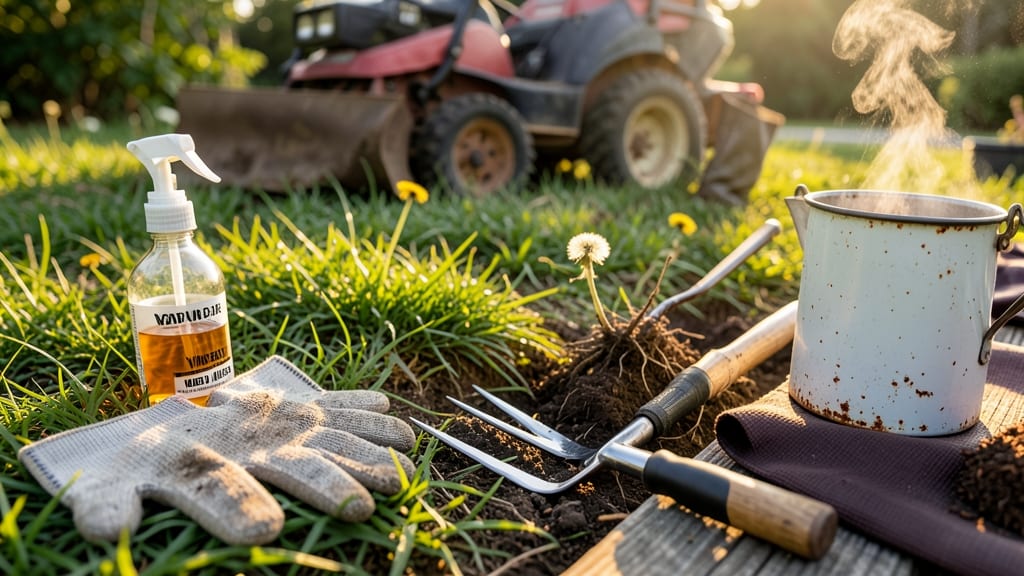
Dandelions how to get rid of them—those stubborn weeds have ruined more lawns than I can count. 🌱 The boiling water technique isn’t just another quick fix—it actually kills the roots permanently, so they don’t grow back. I’ve tried everything from digging to herbicides, but this method works every time, even on the toughest patches.
You’ll need a large kettle, boiling water, and a little patience. The process is simple: boil water, pour it directly over the dandelion, and repeat for a few days until the plant dies completely.
It’s eco-friendly, chemical-free, and works best in early spring or fall when the roots are most vulnerable.
By the end, your lawn will be dandelion-free, and the best part? No regrowth. The roots break down, leaving your soil healthier and your yard looking spotless. This method saves money and keeps your garden chemical-free for good.
Perfect for organic gardeners, eco-conscious homeowners, or anyone tired of pulling the same weeds year after year. Let’s get rid of them for good—without harming your lawn or the environment.
📚 In This Guide
- What you need
- Instructions
- Tips and common mistakes
- Wrapping up and next steps
What you need
- ● Boiling water: At least 2–3 gallons per session (or enough to fill a large watering can or pot). Pro tip: Use recently boiled water for maximum effectiveness—it retains heat longer! 🔥
- ● Watering can or large pot: A 1–2 gallon capacity with a narrow spout for precision. A metal or heat-resistant container works best.
- ○ Gloves (optional but recommended): Heavy-duty gardening gloves to protect your hands from heat and sap.
- ● Trowel or small shovel: A handheld garden trowel (4–6 inches wide) to loosen soil around dandelion roots before treatment.
- ● Rake or hoe: A stiff-bristled rake or broad-hoe to clear debris and expose dandelions in lawns or garden beds.
- ○ Spray bottle (optional): A small 16–32 oz bottle with a fine mist nozzle for spot-treating stubborn sprouts between sessions.
- ○ Vinegar (white, 5% acetic acid) + dish soap (optional): 1 gallon of white vinegar
- ● 1–2 tbsp dish soap (to help break surface tension for better absorption).
- ● Weather: Choose a sunny, dry day (avoid windy conditions to prevent splashing boiling water).
- ● Timing: Early morning or late afternoon when temperatures are cooler (60–85°F) for safety.
- ● Target area: Clear the area of rocks, toys, or flammable materials within a 3-foot radius.
- ● Knee pads: For comfort during extended sessions.
- ○ Goggles (optional): If you’re treating dandelions near delicate plants or pets.
- ● Labeling spray: To mark treated areas if you’re working in stages.
Step-by-step instructions for dandelion eradication using boiling water
Here's the method I've used to clear stubborn dandelions from lawns and cracks—no chemicals, just heat and patience.
🌱 Step 1: Identify and Mark Target Dandelions
Start by scanning your yard for dandelions in full bloom or with mature seed heads. I like to work in small sections—about 4 square feet at a time—so I don't miss any. Use a white board or chalk to mark the area to avoid retreating the same spots. Look for the classic rosette of jagged leaves close to the ground, and check for the deep taproot that can extend 12-18 inches down.
Real talk: Some dandelions hide near sidewalks or driveways where grass doesn't grow. I always pull up weeds in those cracks first—they're the hardest to reach with boiling water. If you spot a dandelion with a broken stem or wilted leaves, skip it and focus on the healthy ones. Those already stressed won't need the full treatment.
💧 Step 2: Boil Water and Prepare Your Application Tool
Fill a large pot or kettle with 2-3 gallons of water and bring it to a full rolling boil. The bigger the pot, the more dandelions you can treat at once. I use a 1-gallon metal watering can with a spout for precision—it lets me pour directly onto the roots without wasting water. If you don't have one, a clean, heavy-duty plastic jug with the cap removed works too.
Here's the thing—boiling water loses heat quickly, so time matters. Pour the water into your application tool no more than 5 minutes before use. If it sits too long, the temperature drops below 212°F, and you'll need to reheat it. You'll know it's ready when steam rises steadily from the spout.
✂️ Step 3: Apply Boiling Water Directly to the Roots
Pour the boiling water slowly and steadily onto the base of the dandelion, right where the leaves meet the soil. Focus on the center of the rosette—this is where the taproot connects. You'll see the leaves wilt almost instantly, and the soil will steam. For stubborn dandelions, I pour 1-2 cups per plant, making sure the water penetrates at least 6 inches deep.
Don't overdo it—too much water can scald the surrounding soil and harm grass. If you're treating a lawn, aim for the dandelion only. For dandelions in cracks or driveways, you can be more generous since there's no grass to protect. Watch for the leaves to turn brown within minutes—that's your signal the roots are being killed.
☀️ Step 4: Monitor and Retreat as Needed
After treatment, the dandelion will die back within 24-48 hours. The roots, however, may take 1-2 weeks to fully decompose. Check the treated areas weekly and pour boiling water again on any regrowth. This is where patience pays off—I've seen dandelions resprout from even small root fragments if you don't follow up.
Here's a pro tip: The best time to treat is on a dry, sunny day. The heat from the sun helps kill any remaining root fragments faster. If rain is forecast within 24 hours, wait a day or two. Watering down the treatment too soon can dilute the heat and reduce effectiveness.
🪴 Step 5: Prevent Regrowth and Maintain Your Yard
Once the dandelions are gone, focus on preventing new ones. Overseed bare patches in your lawn with grass seed to fill gaps where dandelions love to take root. For cracks in driveways or sidewalks, apply a layer of landscape fabric or mulch to block sunlight and discourage seeds from germinating.
I also recommend pulling any new dandelions as soon as they sprout—before they establish deep roots. It's easier than waiting for them to bloom! Regularly inspect your yard, especially in spring and fall when dandelions are most active. With consistent effort, you'll see fewer and fewer pop up over time.
Tips & tricks for permanent dandelion removal
Here's how to make this boiling water method work even better—no more missed roots or wasted effort!
Timing Secret: That 5-minute window between boiling water and application is critical. If you're treating multiple dandelions, work in batches—boil fresh water for each new section. I keep a second pot on standby when tackling large areas. The temperature drop after 5 minutes means you're essentially using hot water, which won't penetrate deep enough to kill those stubborn 12-18 inch roots.
Heat Application Technique: For maximum effectiveness, pour the boiling water in a slow spiral starting from the center of the rosette and working outward. This ensures the heat reaches the taproot where it connects to the leaves. I've found that adding a second, slightly cooler pour (using water that's just off boil) 30 seconds later helps drive the heat deeper into the soil without scalding surrounding grass.
Sunny Day Strategy: The instructions mention treating on sunny days, but here's the bonus: if you can't treat immediately, wait until midday when the sun is strongest. The natural heat amplifies the boiling water's effect, helping kill any remaining root fragments that might survive the initial treatment. Just avoid treating if rain is forecast within 24 hours—you want that heat to work uninterrupted.
Follow-Up Plan: That 1-2 week window for root decomposition is real, but don't wait until you see regrowth to retreat. Mark treated areas with a small flag or stake immediately after treatment. I use colorful plastic flags that are easy to spot. Check these marked spots weekly—this systematic approach catches regrowth before it becomes a problem, saving you from multiple treatments later.
Pro Tips for Dandelions How To Get Rid Of Them
- Here's how to make this boiling water method work even better—no more missed roots or wasted effort!
- Timing Secret: That 5-minute window between boiling water and application is critical.
- Heat Application Technique: For maximum effectiveness, pour the boiling water in a slow spiral starting from the center of the rosette and working outward.
Frequently asked questions
Got questions about tackling those pesky dandelions? You’re not alone! Here are answers to the most common concerns—so you can banish them for good.
How long does it take for boiling water to kill dandelions completely?
Boiling water works fast! The roots die within minutes of contact, but the plant may take 1–3 days to wilt and turn brown. For best results, repeat the treatment if any green regrowth appears after a week. Timing matters—target dandelions when they’re young (before they bloom) for easier eradication.
Is boiling water safe for my lawn or garden soil?
Yes, but use caution! Boiling water is non-toxic to soil and won’t harm grass or plants if applied correctly. However, avoid over-saturating the area, as excessive moisture can stress nearby plants. For delicate gardens, test a small patch first. Pro tip: Use a potting watering can with a long spout for precision!
What if dandelions keep coming back after treatment?
Persistent dandelions often mean missed roots or new seeds. Dig up the area post-treatment to check for lingering roots, or spot-treat with vinegar (3% acetic acid) mixed with dish soap for stubborn patches. Prevention tip: Pull weeds weekly during growing seasons to stay ahead!
Can I use boiling water on dandelions in flower beds or cracks in pavement?
Boiling water is ideal for tight spaces like cracks or flower beds where tools can’t reach. For pavement, pour slowly into crevices—just avoid overheating concrete. Safety note: Always wear gloves and protective eyewear when handling boiling liquids!
Are there alternative methods if boiling water isn’t convenient?
No problem! Try these effective alternatives:
- Vinegar solution: Mix 1 gallon white vinegar + 1 cup dish soap. Spray directly on leaves (avoid desirable plants).
- Manual removal: Dig out roots with a dandelion weeder or fork—grub early to prevent seed spread!
- Corn gluten meal: Apply as a pre-emergent in early spring to block seeds from sprouting.
Wrapping up and next steps
Say goodbye to those stubborn dandelions for good! 🌱 With the boiling water technique, you’ve got a powerful, eco-friendly way to tackle them at the root—no harsh chemicals needed.
Whether you’re dealing with a small patch or a full lawn takeover, consistency is key, and soon, you’ll enjoy a dandelion-free space that’s easier to maintain.
Ready to reclaim your yard? Grab your pot of boiling water and start fresh—one dandelion at a time. Happy gardening! 🌿✨