
Advice
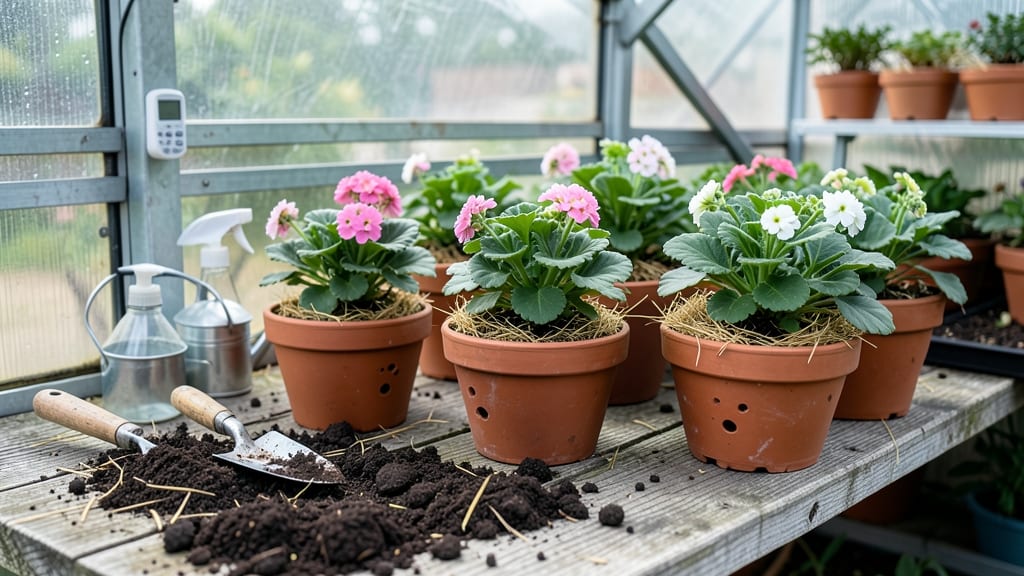
How to overwinter geraniums in a cold greenhouse doesn’t require fancy setups—just a few smart steps to protect them from frost. I’ve kept mine thriving for years in zones where frost would kill them, using nothing fancier than a sturdy greenhouse and a thermometer. The key is tricking them into dormancy without letting them rot or freeze.
Start with pruning back leggy stems by half and lifting plants before the first frost. Move them into the greenhouse when temps drop below 40°F, spacing them so air circulates. A simple 50-gallon barrel of water near the plants adds humidity without fancy equipment—just let it evaporate naturally.
You’ll wake up to crisp, green leaves in spring instead of dead stems. The greenhouse stays cool but never freezes, and you avoid the shock of transplanting. Even in 20°F nights, these geraniums bounce back like they never slept.
No heat mats or space heaters needed—just good airflow, occasional water checks, and a little patience. By March, they’ll be ready to repot and bloom again. Here’s exactly how to make it happen without stress.
📚 In This Guide
- What you need
- Instructions
- Tips and common mistakes
- Wrapping up and next steps
What you need
- ● Geranium plants: Healthy, pest-free specimens (1-5 plants, depending on greenhouse size).
- ● Cold-hardy greenhouse: One with ventilation (min. 30°F (-1°C) tolerance; avoid frost pockets!).
- ● Potting mix: Well-draining, sterile blend (e.g., 50% peat/50% perlite or coco coir + sand). 1-2 gallons per plant.
- ● Containers: 6-8" pots with drainage holes (plastic or terracotta; 1 per plant).
- ● Pruners: Sharp, clean bypass pruners (sterilize with rubbing alcohol).
- ● Mulch: Straw or shredded leaves (2-3 inches to insulate soil).
- ● Watering can: Narrow spout for gentle hydration (avoid soggy roots!).
- ○ Humidity tray: Optional (pebble tray + water to boost moisture in dry air).
- ● Mini greenhouse or cloche: For extra protection during cold snaps (1-2 per plant).
- ● Heating mat: Low-wattage (10W/sq ft) for only extreme dips below 25°F (-4°C).
- ● Fertilizer: Balanced, low-nitrogen (e.g., 5-5-5) for early spring boost.
- ● Insecticidal soap: Preemptive strike against spider mites or aphids.
- ● Thermometer/hygrometer: To monitor temp (40-50°F/4-10°C ideal) and humidity (40-60%).
Step-by-Step instructions for overwintering geraniums in a cold greenhouse
Here's how I've successfully kept geraniums thriving through winter with just a little protection.
Prune and Prepare Geraniums for Dormancy
Start by pruning your geraniums back by about one-third of their height. This encourages a bushier shape and reduces the plant's need for water during dormancy. Use clean, sharp shears to make cuts just above a leaf node or set of leaves. This ensures new growth will emerge from a strong point.
Remove any yellow or diseased leaves immediately—these can harbor pathogens that will weaken the plant during its dormant period. I also like to give the stems a quick wipe with a damp cloth to remove any lingering dust or debris. This simple step makes a big difference in preventing mold and rot once they're tucked away for winter.
Repot and Check Root Health
If your geraniums are still in the same pots they've been in all season, now's the time to repot them into fresh, well-draining soil. I use a mix of 50% potting soil and 50% perlite to ensure good aeration. This prevents root rot, which is a common issue in cold, damp conditions.
While repotting, inspect the roots for any signs of rot or damage. Healthy roots should be firm and white or light tan. If you see any mushy or dark roots, trim them away with clean scissors. This is also a good time to divide any crowded plants—geraniums often benefit from being split up every few years to refresh their growth.
Position Plants for Optimal Winter Light
Move your geraniums to a sheltered spot in the cold greenhouse where they'll receive bright, indirect light for most of the day. Avoid placing them directly against cold glass, as this can cause temperature fluctuations that stress the plants. A few inches away from the walls is ideal.
If your greenhouse doesn't have natural light during winter, supplement with a low-wattage LED grow light placed about 12-18 inches above the plants. Geraniums need at least 6 hours of light daily to stay healthy, even during dormancy. You'll notice leaves staying green and stems remaining firm—this is your sign they're getting enough light.
Regulate Moisture and Temperature
Water your geraniums sparingly during winter—just enough to keep the soil slightly moist but never soggy. I check the soil by sticking my finger about 1 inch deep; if it feels dry, it's time to water. Overwatering is the fastest way to kill geraniums in a cold greenhouse, so err on the side of caution.
Keep the greenhouse temperature between 35-45°F during the day and no lower than 30°F at night. If your greenhouse gets colder than this, consider adding a small space heater or insulating the floor with straw or bubble wrap. You'll know the conditions are right when the leaves stay slightly crisp but don't turn brown or mushy.
Monitor and Adjust Through Winter
Check your geraniums weekly for signs of stress, such as yellowing leaves, wilting, or mold. If you notice any issues, adjust their light, water, or temperature immediately. Geraniums are tough, but they can't handle neglect—especially in a cold greenhouse where conditions change quickly.
By late winter, you'll start to see new growth emerging. This is your cue to gradually increase watering and, if needed, move the plants to a slightly warmer spot. Once the threat of frost has passed and daytime temperatures consistently stay above 50°F, you can transition them back to their outdoor growing conditions.
Tips & tricks for overwintering geraniums in a cold greenhouse
These practical insights will help you extend your geraniums' life through winter without losing their vibrancy.
Pruning Precision: When you're cutting back those one-third prunes in Step 1, focus on removing only the leggy, overgrown stems. The goal is to maintain the plant's natural shape while reducing foliage to minimize water needs. I've found that cutting just above a leaf node—where the leaf meets the stem—encourages stronger regrowth and prevents unsightly stubs. This targeted approach keeps your geraniums compact and ready to bounce back in spring.
Root Health Inspection: During Step 2's root check, pay special attention to any roots that feel slimy or have a foul odor—these are clear signs of rot. Healthy roots should snap cleanly when bent, not crumble or smell earthy. If you're dividing plants, make sure each new division has at least three strong roots to ensure it can establish itself properly. This careful inspection prevents future problems that could derail your winter success.
Lighting Strategy: For the 6 hours of daily light requirement in Step 3, consider using a timer for your grow light. This ensures consistent light exposure without you having to remember to turn it on and off. Position the light so it doesn't touch the leaves—this prevents heat buildup that could stress the plants. I've seen geraniums thrive with this simple automation, especially on cloudy winter days when natural light is scarce.
Temperature Management: Maintaining the 35-45°F range during the day is crucial, but don't overlook the nighttime minimum of 30°F. If your greenhouse dips below this, even for short periods, it can cause irreversible damage. I've used a simple thermometer with a low-temperature alarm to catch drops before they become problematic. This small investment has saved me from losing plants to unexpected cold snaps.
Pro Tips for Overwinter Geraniums In A Cold Greenhouse
- These practical insights will help you extend your geraniums' life through winter without losing their vibrancy.
- Pruning Precision: When you're cutting back those one-third prunes in Step 1, focus on removing only the leggy, overg...
- Root Health Inspection: During Step 2's root check, pay special attention to any roots that feel slimy or have a foul...
Frequently asked questions
about overwintering geraniums in a cold greenhouse—because even the best-laid plans need a little troubleshooting! Here’s what you’ve been wondering:What’s the ideal temperature range for overwintering geraniums in a cold greenhouse?
Keep temperatures between 35–45°F (2–7°C) during the day and avoid dropping below 30°F (-1°C) at night. This mimics their natural dormancy while preventing rot or frost damage. A cold frame or greenhouse with ventilation is perfect—just monitor closely!
When should I start preparing my geraniums for overwintering?
Begin 6–8 weeks before the first frost (typically late summer/early fall). Prune back stems by ⅓, reduce watering, and move plants to the greenhouse. This gives them time to harden off and enter dormancy gradually. Don’t wait until winter hits!
Can I overwinter geraniums in pots instead of the ground?
Potted geraniums
are easier to move and protect. Use well-draining pots with a mix of 50% potting soil and 50% perlite. Bury pots in sand or straw in the greenhouse to insulate roots, or group them together to retain warmth.
How do I prevent pests (like spider mites or fungus gnats) during overwintering?
Inspect plants regularly and isolate new additions for a week. Use neem oil or insecticidal soap for mites, and reduce moisture by watering only when the top inch of soil is dry. Good airflow (via vents) deters gnats—keep humidity low!
What if my greenhouse gets colder than expected? Can I save my geraniums?
Don’t panic! If temps drop below 30°F (-1°C), move pots to a garage or unheated basement (above freezing) for 1–2 weeks. Once stable, return them to the greenhouse. Avoid sudden temperature swings—geraniums hate stress! A row cover or extra insulation can also help.
Still stumped? Drop your question in the comments—we’re happy to help your geraniums thrive through winter!
Wrapping up and next steps
Overwintering geraniums in a cold greenhouse is totally doable with the right prep—minimal heat, proper ventilation, and a little TLC are all you need to keep those vibrant blooms alive until spring! 🌱
You’ve got the know-how now—start by assessing your greenhouse, gathering supplies, and giving your plants a cozy, well-monitored space.
Once you’ve got them tucked in safely, the next step? Plan your spring revival! As temperatures rise, focus on pruning, fertilizing, and gradually reintroducing sunlight to wake those geraniums up for another stunning season. You’ve got this—happy gardening! 🌸