
Planting
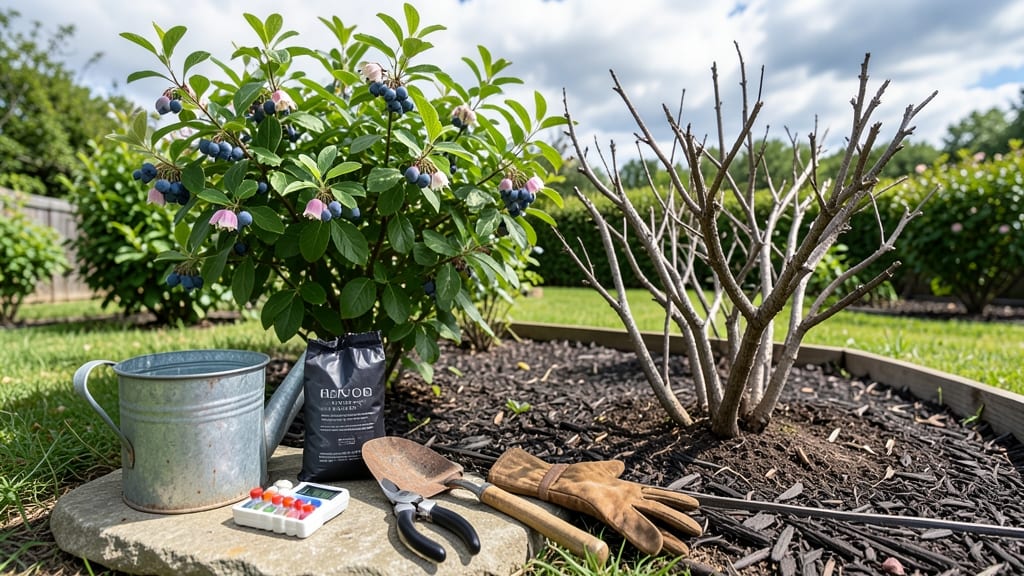
How to bring back this dead blueberry plant—it’s not truly gone, just fighting for its life. 🌱 I’ve nursed back three "dead" blueberry plants using the same simple fixes, and the key starts with understanding what really killed it. Most people assume it’s overwatering, but the real culprits are often hidden: compacted roots, fungal infections, or soil that’s too alkaline for those acid-loving berries.
The first step is diagnosing: check for mushy brown stems (root rot), yellowing leaves (nutrient deficiency), or dry, crispy branches (underwatering).
Once you know the problem, you can fix it—whether that’s fluffing up the soil, adjusting watering, or adding sulfur to lower pH. My plants bounce back fastest when I tackle the roots first, because that’s where the real recovery begins.
You’ll see new growth within 4-6 weeks if you act now—small green shoots pushing through the soil, then branches filling in with fresh leaves. The berries might take a season to return, but the plant will be stronger than ever. The secret is patience and the right fixes.
This works for both container-grown and in-ground blueberries, and the same principles apply to other acid-loving plants like azaleas or rhododendrons. Let’s get that bush back to producing those sweet, juicy berries again.
Root Causes of Blueberry Plant Decline
Blueberries are resilient, but even these hardy shrubs can succumb to stress—often silently—until it’s too late. Understanding the why behind a dying blueberry plant is the first step to revival.
Below, we break down the most common culprits, backed by science, so you can diagnose (and fix) the issue with precision.
Blueberries thrive in USDA Zones 4–7, where they experience cold winters and warm (but not scorching) summers. Push them outside these parameters, and their health plummets.
- Frost or Freeze Damage:
Temperatures below 10°F (-12°C) can kill blueberry buds and roots. While winter dormancy is natural, unpredictable late frosts (after buds swell in spring) or urban heat islands (where soil stays too warm) disrupt their cycle. Symptoms: Blackened stems, no new growth, or leaves that crisp like paper.
- Heatwave Scorch:
When daytime temps exceed 90°F (32°C) for weeks, blueberries suffer from transpiration stress—their leaves lose more water than roots can absorb. Symptoms: Wilting, curled leaves, and brown edges (even with adequate water). Soil thermometers can confirm if your plant’s roots are overheating.
💡 Pro Tip: Mulch with wood chips (3–4 inches) to insulate roots in winter and retain moisture in summer. For container-grown blueberries, move pots to a shadier, cooler spot during heatwaves.
Blueberries are hydration-dependent but hate soggy feet. Their roots need consistently moist (not waterlogged) soil with acidic pH (4.5–5.5) to absorb nutrients. Get this wrong, and roots suffocate or dry out.
- Root Rot from Overwatering:
Blueberries cannot tolerate waterlogged soil—their roots lack aerenchyma tissue (air channels found in swamp plants like cattails).
When soil stays saturated for >48 hours, Phytophthora and Pythium fungi take over, rotting roots. Symptoms: Yellowing leaves, mushy stems at the base, and a foul, sour smell when you dig near the roots.
- Drought Stress:
Blueberries need 1–1.5 inches of water weekly (more in containers). When soil dries out, roots shrink and die back, leaving the plant unable to uptake nutrients. Symptoms: Drooping leaves, premature leaf drop, and brittle stems. Test soil moisture: Stick your finger 2 inches deep—if it’s dry, water deeply.
🔥 Fix It: Improve drainage by amending soil with perlite or sand (20% mix). For containers, use well-draining pots with drainage holes and a cactus/succulent mix blended with peat moss.
Blueberries are heavy feeders but only absorb nutrients in acidic soil. If your soil’s pH drifts above 5.5, nutrient deficiencies (especially iron, manganese, and phosphorus) cripple the plant.
- Alkaline Soil Lockout:
In pH 6.0+ soil, iron and manganese become unavailable despite being present. This causes chlorosis (yellowing leaves with green veins). Symptoms: New leaves turn pale yellow, growth stunts, and berries fail to develop.
- Over-Fertilization with Lime:
Well-meaning gardeners often add lime to lower acidity, but blueberries hate lime. It raises pH permanently and burns roots. Symptoms: Leaf scorch, stunted roots, and a white crust on soil surface (from excess calcium).
🌡️ Test & Adjust: Use a soil pH test kit (or send a sample to a lab). To lower pH, add sulfur (1–2 lbs per 100 sq ft) or peat moss. For containers, use rainwater or distilled water (tap water is often alkaline).
Blueberries are susceptible to soil-borne pathogens that thrive in damp, nutrient-poor conditions. These infections often start unseen until the plant’s immune system collapses.
- Botrytis Blight (Gray Mold):
Caused by the fungus Botrytis cinerea, this thrives in humid, shaded conditions. It attacks flowers and fruit first, then spreads to leaves and stems. Symptoms: Gray, fuzzy patches on berries and leaves; blackened stems.
- Phytophthora Root Rot:
A water-mold that spreads in compacted, waterlogged soil. It clogs root xylem (water transport tissue), causing wilting even when soil is moist. Symptoms: Sudden leaf drop, blackened roots that smell like rotten eggs.
- Bacterial Leaf Spot:
Xanthomonas campestris infects through wounds (like pruning cuts) and spreads via rain splashes. Symptoms: Small, water-soaked spots that turn brown and crusty; infected leaves drop prematurely.
🛡️ Prevention: Space plants for airflow, avoid overhead watering, and sterilize pruners with rubbing alcohol. For infected plants, remove all debris and treat with copper fungicide (follow label rates).
Next up: How to Diagnose Your Plant’s Exact Problem—because not all wilting is created equal!
Revive Your Blueberry Bush Now
Your blueberry plant might look like it’s kicked the bucket, but don’t toss it yet! With the right steps, you can coax it back to life—even if it’s been struggling for weeks. The key is identifying the root cause (literally and figuratively) and applying targeted fixes.
Below, we break down the most common issues and practical, step-by-step solutions to nurse your bush back to health. Plus, we’ll share prevention tips so you can avoid future heartbreak.
Signs: Yellowing leaves, mushy stems, roots that smell foul or look rotten, and soil that stays soggy for days.
How to Fix It:
- 🚰 Stop Watering Immediately
- Let the soil dry out completely before watering again. Stick your finger 2 inches deep—if it’s damp, wait.
- 🏗️ Improve Drainage
- If your plant is in a pot, drill drainage holes (if missing) and repot with a well-draining mix (50% peat moss, 30% perlite, 20% sand).
- For in-ground plants, amend the soil with compost and coarse sand to break up clay.
- 🌱 Prune Damaged Roots
- Gently dig up the plant (if in a pot) or expose the roots in the ground. Trim any black, mushy, or soft roots with sterilized pruners. Healthy roots are firm and white.
- 💧 Adjust Your Watering Routine
- Blueberries hate wet feet. Water deeply but infrequently—about 1 inch per week, more in extreme heat. Use a soaker hose to water at the base, not overhead.
💡 Prevention Tip:
- Test your soil’s drainage by digging a hole, filling it with water, and timing how long it takes to drain. If it’s slower than 4 hours, amend the soil.
Signs: Crispy, brown leaf edges, wilting despite moist soil, or leaves that look bleached or scorched (too much direct sun).
How to Fix It:
- 💧 Hydrate Deeply
- Water slowly and thoroughly until it drains from the bottom. Repeat every 2–3 days until the soil is consistently moist (not soggy).
- 🌿 Provide Shade (Temporarily)
- If leaves are sunburned, move the plant to partial shade (morning sun + afternoon shade) for 2–3 weeks while it recovers.
- 🍂 Trim Damaged Foliage
- Snip off brown, crispy leaves to redirect energy to new growth. Use clean pruners and avoid cutting into healthy tissue.
- 🌱 Mulch to Retain Moisture
- Apply 2–3 inches of organic mulch (pine needles, wood chips, or straw) around the base (keep it 6 inches away from the stem).
💡 Prevention Tip:
- Morning watering is best—it gives leaves time to dry before evening, reducing fungal risks.
Signs: Yellow leaves (especially new growth), stunted berries, or no fruit production despite healthy-looking foliage.
How to Fix It:
- 📊 Test Your Soil pH
- Grab a soil pH test kit (or use a DIY vinegar/baking soda test). Blueberries thrive in acidic soil (pH 4.5–5.5).
- 🍋 Lower the pH (If Too High)
- For in-ground plants: Mix sulfur or peat moss into the soil (follow package instructions).
- For pots: Replace 20% of the soil with a blueberry-specific mix or add cotton compost (slow-release acidifier).
- 🌱 Feed with Acid-Loving Fertilizer
- Use a balanced acid fertilizer (like 10-10-10 with sulfur) in early spring. Avoid lime or wood ash—they raise pH!
- 🍓 Monitor for Recovery
- It may take 4–6 weeks to see improvement. Retest pH in 3 months if issues persist.
💡 Prevention Tip:
- Plant in containers if your yard’s soil is alkaline—you’ll have full control over pH and drainage.
Signs: Holes in leaves, sticky residue (aphids), moldy spots (fungus), or sudden wilting despite care.
How to Fix It:
- 🔍 Identify the Culprit
- Pests? Check undersides of leaves for aphids, spider mites, or scale.
- Fungus? Look for white powder (powdery mildew) or black spots (anthracnose).
- 🚫 Remove Infested Parts
- Snip off heavily damaged leaves and burn or discard them (don’t compost!).
- 💦 Treat Naturally
- Pests: Spray with neem oil (mix 1 tbsp per quart of water) or insecticidal soap. Repeat every 5–7 days.
- Fungus: Apply copper fungicide or a baking soda spray (1 tsp baking soda + 1 quart water + a drop of dish soap).
- 🌿 Boost Plant Immunity
- Compost tea or fish emulsion (diluted) can strengthen the plant’s defenses.
💡 Prevention Tip:
- Encourage beneficial insects (like ladybugs) by planting marigolds or dill nearby.
Signs: Blackened canes, peeling bark, or no new growth in spring.
How to Fix It:
- 🌡️ Check for Live Buds
- Scratch the bark—if it’s green underneath, the plant may still recover.
- 🪴 Prune Dead Wood
- Cut back any black, mushy, or hollow canes to the last healthy bud.
- 🌱 Mulch Heavily for Next Winter
- Pile 6–12 inches of straw or pine needles around the base (remove in spring to prevent rot).
- 🍓 Feed in Early Spring
- Once new growth appears, apply a slow-release acid fertilizer to jumpstart recovery.
💡 Prevention Tip:
- Group blueberries with other acid-lovers (like azaleas) to create a microclimate that retains warmth.
No matter the cause, follow this quick recovery plan:
- Prune dead/damaged parts (leaves, stems, roots).
- Adjust watering (deep but infrequent).
- Check soil pH and amend if needed.
- Protect from stress (shade, mulch, pest control).
- Be patient—new growth can take 4–8 weeks.
Remember: Even a "dead" blueberry plant can bounce back if you act fast. Start with one fix at a time, monitor progress, and don’t hesitate to repot or relocate if the soil is beyond saving. Your bush has fought this long—give it one more chance! 🌿✨
Frequently asked questions
My blueberry plant looks completely dead—how can I tell if it's truly hopeless?
Even if your plant appears lifeless, check for green tissue under the bark by scratching a small section. If you see green, roots may still be alive! Also look for buds at the base—if they're firm and brown (not black/mushy), there's hope. For container plants, gently tug on stems; if they resist slightly, roots may still be clinging to life.
Should I repot my blueberry bush if it's been struggling in the same soil for years?
Blueberries deplete soil nutrients quickly and hate compacted roots. If your plant's been in the same pot for 3+ years or shows signs of root-bound growth (circling roots at the surface), repot into a container 2-3 inches larger with fresh acidic soil mix. For in-ground plants, dig up and refresh the top 6 inches of soil with compost and sulfur.
How long should I wait before giving up on a completely leafless blueberry plant?
Give it 6-8 weeks of consistent care before declaring it hopeless. Focus on watering deeply every 3-4 days, improving drainage, and protecting from direct sun. If you see tiny green shoots within this time, your plant is recovering. After 8 weeks with no signs of life, it's likely beyond revival—though you can still try propagating from any remaining healthy canes.
Can I save a blueberry plant that's been underwatered for months?
Yes, but act quickly! Gradually reintroduce moisture by watering deeply every 2 days until the soil is consistently moist (not soggy). For severely dehydrated plants, soak the root zone for 30 minutes daily for the first week. Trim any crispy, brown stems back to healthy growth, and apply a mulch layer to retain moisture. Recovery may take 8-12 weeks.
Will my revived blueberry plant produce berries the same season?
Unlikely—focus on rebuilding the plant's strength first. A revived blueberry typically needs 1 full growing season to recover enough energy for fruiting. You'll see new canes in spring, and these will bear fruit in their second year. Prune back any flower buds this season to redirect energy to leaf and root growth.