
Flowers
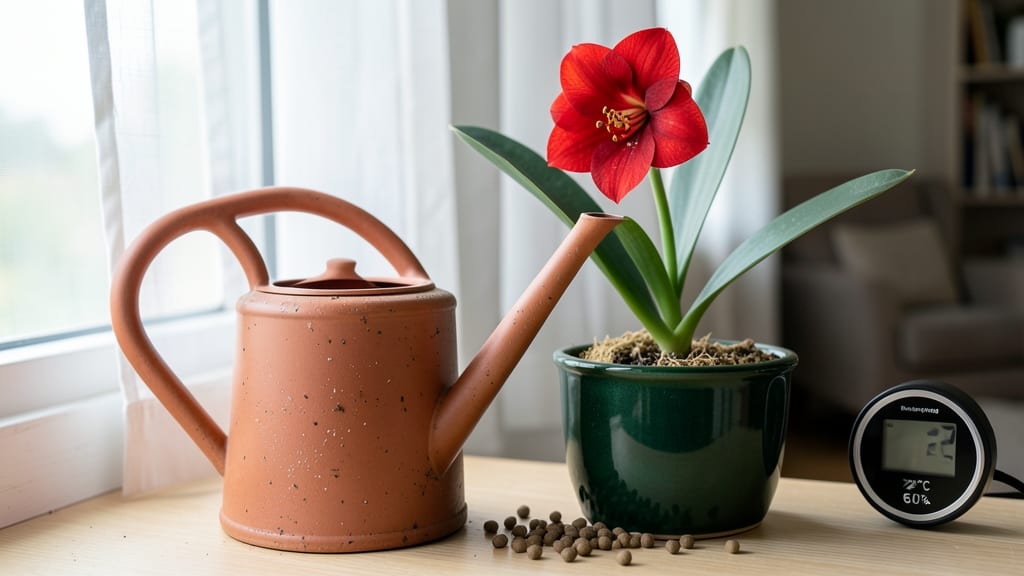
Caring for amaryllis flowers feels like growing a little miracle—those bold blooms emerge with almost no effort from you. 🌸 The secret lies in understanding their natural rhythms: they thrive on neglect almost as much as they do on attention, and with just a few adjustments, you'll have vibrant blooms year after year.
My first amaryllis lasted three seasons before I realized I'd been overcomplicating its care, and now I treat it like the low-maintenance showstopper it truly is.
The key is matching their needs to their growth stages. When they're dormant, they barely need water; when they're pushing up those dramatic stems, they crave bright indirect light and consistent moisture.
Most people overwater, which leads to those dreaded yellow leaves—so let the top inch of soil dry out between waterings. The right well-draining potting mix (think chunky, not dense) makes all the difference, and a 6-inch pot gives roots enough room without overcrowding.
By following this rhythm, you'll see those signature trumpet-shaped blooms appear 8-10 weeks after planting bulbs, with foliage that stays lush for months. The best part? Amaryllis bulbs store energy underground, so even when the flowers fade, they're not really gone—they're just resting for next season's performance.
That means no dead plants, just a cycle of beauty you can repeat indefinitely with minimal effort.
Whether you're troubleshooting yellow leaves or wondering why your amaryllis isn't blooming, the answers lie in these simple adjustments. Let's get those bulbs thriving—your home deserves this kind of drama-free elegance.
📚 In This Guide
- What you need
- Instructions
- Tips and common mistakes
- Wrapping up and next steps
What you need
- ● 1 healthy amaryllis bulb – Choose a firm, plump bulb (3-4 inches wide) with no soft spots or mold. Pro tip: 💡 Look for bulbs with visible root growth for a head start!
- ● Well-draining potting mix – A blend of 50% peat moss or coconut coir, 30% perlite or pumice, and 20% compost or worm castings. Avoid garden soil—it’s too dense!
- ● 1 pot with drainage holes – Use a container 2-3 inches wider than the bulb (plastic or ceramic works). For extra blooms, go for a slightly wider pot (but not too big—amaryllises hate soggy roots!).
- ● Distilled or rainwater – Tap water can harm bulbs over time due to chemicals. Pro tip: 🌡️ Let water sit out for 24 hours before using to reduce chlorine.
- ● Balanced liquid fertilizer (10-10-10 or 20-20-20) – Dilute to half-strength to avoid burning the roots.
- ○ Gloves (optional) – Protect your hands from sharp bulb edges or gritty potting mix.
- ● Spray bottle – For gentle watering after repotting or during dormancy.
- ● Decorative pot (outer planter) – If you prefer a cachepot for aesthetics, ensure it sits above the soil line to avoid moisture buildup.
- ○ Grow lights (optional) – If your amaryllis isn’t getting 6+ hours of indirect light daily, a full-spectrum LED bulb (12-15 inches away) can help.
- ○ Thermometer/hygrometer (optional) – Monitor temps (ideal: 65–75°F) and humidity (40–50%) for peak blooming.
Step-by-step instructions for amaryllis flower care
Here’s how to keep your amaryllis thriving through its dramatic blooming cycle and dormant phase.
🌱 Step 1: Position for Optimal Light and Temperature
Amaryllis craves bright, indirect light—think east-facing windows or a few feet from a south window. Direct midday sun can scorch the leaves, but too little light weakens the bulb for next season’s blooms. I place mine near a sheer curtain to diffuse harsh rays while still getting plenty of brightness.
Keep temperatures between 65-75°F during active growth. If your home runs cooler, supplement with a small grow light for 12 hours daily. Watch for leaves curling or yellowing—this signals either too much sun (brown patches) or too little (pale, leggy growth). Adjust placement until the foliage stays deep green and sturdy.
💧 Step 2: Water Strategically Through Growth Stages
Water amaryllis only when the top 2-3 inches of soil feel dry. Overwatering is the fastest way to rot the bulb—these plants store moisture in their thick roots, so they tolerate dry spells better than soggy conditions. I stick my finger in the soil; if it feels damp past my first knuckle, I wait another day.
Once the flower stalk emerges, increase water slightly to support blooming, but never let the pot sit in saucers of water. After flowering, reduce watering gradually as leaves yellow and die back naturally. This signals the bulb to enter dormancy, which is crucial for next year’s blooms.
✂️ Step 3: Support and Prune for Healthy Growth
When the flower stalk reaches 6-8 inches tall, it often bends under its own weight. I tie it to a small wooden stake with soft floral tape to keep it upright. This prevents the stalk from snapping mid-bloom, which ruins the show.
Once the blooms fade, snip the stalk at the base with clean scissors—don’t yank it, or you might damage the bulb. Save the dried seed pods if you want to grow new plants, but remove them if you’re focusing on bulb health. Yellowing leaves? Let nature take its course; forcing new growth too early weakens the bulb for future blooms.
🪴 Step 4: Transition to Dormancy and Rest Period
After leaves yellow completely, stop watering entirely for 8-10 weeks. This dormancy period mimics the bulb’s natural cycle and ensures robust blooms next season. Place the pot in a cool, dark spot (like a closet) where temps stay between 50-60°F
Check the bulb monthly—if it feels soft or moldy, it’s rotted from residual moisture. Healthy bulbs stay firm and papery. After 8-10 weeks, resume watering and move it back to light. You’ll see new shoots within 4-6 weeks, signaling it’s ready to bloom again. Feed your amaryllis with a balanced liquid fertilizer (10-10-10) every 4-6 weeks during active growth. Dilute to half-strength to avoid burning the roots—these bulbs are sensitive to salt buildup. I mix it into water and apply it when the soil is slightly dry, so nutrients penetrate deeply. Skip fertilizer during dormancy—overfeeding stresses the bulb. Instead, focus on repotting every 2-3 years into fresh soil. Press the bulb slightly deeper than it sat before to encourage stability. This simple step prevents top-heavy growth and ensures stronger blooms.☀️ Step 5: Fertilize for Long-Term Blooming Success
Tips & tricks for perfect amaryllis flower care
Here's what nobody tells you about keeping your amaryllis thriving beyond just the basics.
Lighting Precision: The bright, indirect light requirement means placing your amaryllis within 3-4 feet of an east or south-facing window is ideal. If your space lacks natural light, a full-spectrum LED grow light on a 12-hour timer becomes your best friend—just position it 6-12 inches above the plant. I've seen amaryllis leaves bleach out from too much direct sun, so that sheer curtain trick really works.
Temperature Transition Strategy: When moving your amaryllis from the 65-75°F growth range to the 50-60°F dormancy period, do it gradually over 3-4 days. Sudden temperature drops can shock the bulb, causing it to reject its natural dormancy cycle. I move mine to a basement or unheated garage, but always check the bulb monthly for any signs of softness or mold during this period.
Watering Technique: The finger test for soil moisture is crucial—when you insert your finger to the second knuckle and feel dampness, that's your cue to wait. For the 8-10 week dormancy period, I actually place my pot on a wire rack above a tray to ensure no residual moisture collects. This prevents the common mistake of overwatering during dormancy, which can lead to bulb rot.
Fertilizing Insight: That 10-10-10 balanced liquid fertilizer should be diluted to half-strength because amaryllis bulbs are particularly sensitive to salt buildup. I've learned the hard way that applying it when the soil is slightly dry helps the nutrients penetrate deeply rather than sitting on the surface. And remember, no fertilizer during dormancy—this is when the bulb recharges for next season's spectacular blooms.
Pro Tips for Care For Amaryllis Flower
- Here's what nobody tells you about keeping your amaryllis thriving beyond just the basics.
- Lighting Precision: The bright, indirect light requirement means placing your amaryllis within 3-4 feet of an east or south-facing window is ideal.
- Temperature Transition Strategy: When moving your amaryllis from the 65-75°F growth range to the 50-60°F dormancy period, do it gradually over 3-4 days.
Frequently asked questions
Got questions about keeping your amaryllis thriving?
Here are answers to the most common concerns—so you can enjoy those stunning blooms with confidence!
How often should I water my amaryllis?
Water your amaryllis only when the top 1–2 inches of soil feel dry. Overwatering is the #1 killer—let excess water drain completely, and avoid soggy soil. During dormancy (fall/winter), reduce watering to once every 3–4 weeks unless repotting.
Why isn’t my amaryllis blooming?
Amaryllis needs a dormancy period to rebloom. After flowering, stop fertilizing and let the foliage yellow naturally. Store the bulb in a cool, dry spot (60–65°F) for 8–10 weeks. No light = no blooms! Resume care in spring with bright indirect light.
Can amaryllis survive indoors year-round?
Yes! Place it near a south- or east-facing window for 6+ hours of light daily. If blooms droop, move it closer to light or supplement with a grow light. In winter, keep temps between 65–75°F—avoid drafts or heat vents, which stress the plant.
What should I do if bugs appear on my amaryllis?
Check for mealybugs, spider mites, or aphids on leaves/stems. Wipe off pests with a damp cloth or spray with neem oil (mix 1 tsp oil + 1 tsp mild soap in 1 quart water). Isolate the plant and repeat weekly until gone. Prevent recurrence by keeping humidity moderate (40–50%).
Can I grow amaryllis in water instead of soil?
Technically yes, but it’s risky for long-term health. Use a clear vase with pebbles and fresh water changed weekly. Roots need oxygen, so avoid submerging the bulb. For best results, stick to soil—water-grown amaryllis may bloom once but struggle to rebloom or produce offsets.
How do I store amaryllis bulbs during dormancy?
After foliage dies back, trim leaves to 2 inches. Store the bulb in a paper bag or mesh breathable container with dry peat moss or shredded newspaper in a cool, dark place. Check monthly for rot—discard any mushy bulbs. Replant in spring (March/April) for next season’s blooms!
Wrapping up and next steps
Caring for your amaryllis flower is simpler than you think—just a little light, water, and patience go a long way! 🌱 With the right balance of sunlight, soil, and seasonal adjustments, you’ll enjoy stunning blooms year after year.
Now that you’re armed with these tips, why not share your success by gifting a potted amaryllis to a friend or experimenting with different varieties?
Ready to watch your amaryllis thrive? Start by observing its cues—adjust care as needed—and soon, you’ll have a flourishing, low-maintenance centerpiece that brightens any space! 💐