
Orchid Care
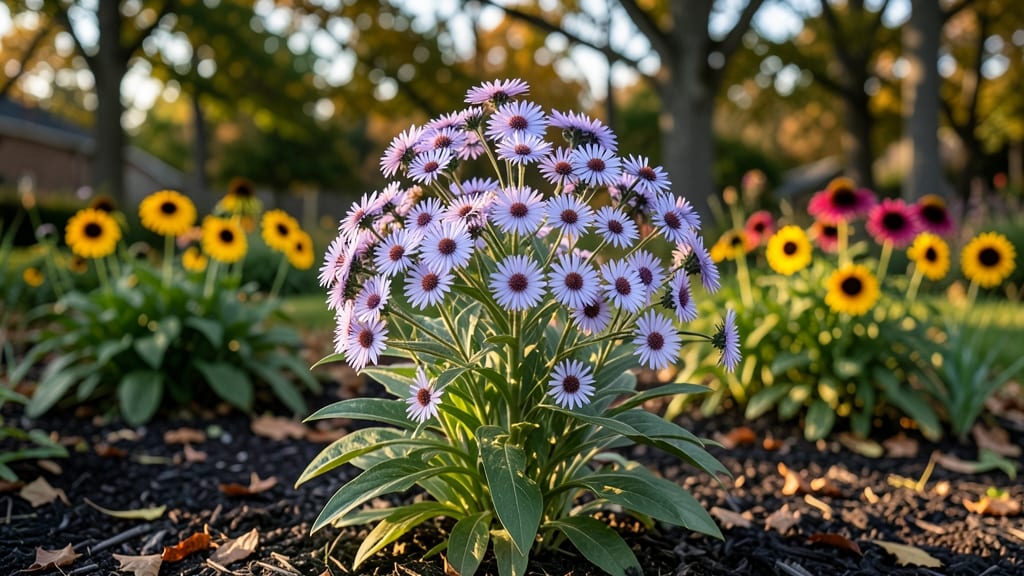
Caring for aster plants means never-ending purple blooms that turn your garden into a late-summer dream. 🌿 I’ve grown both annual and perennial varieties for years, and the secret to their long-lasting color isn’t complicated—just smart pruning and a few basic habits.
The key starts with sunlight: asters thrive in full sun (6+ hours daily), but they’ll tolerate light shade if your summers are scorching. Soil should drain well but stay consistently moist—not soggy. Most gardeners overwater, which leads to floppy stems and fewer blooms.
With just three simple pruning tricks—deadheading spent blooms, cutting back leggy growth, and a late-season trim—you’ll extend their flowering season well into fall. Perennials even reward you with next year’s show if you protect their roots in winter.
Annuals are the easy winner for quick color, while perennials like ‘Patriot’ or ‘Alma Potschke’ multiply over time. Either way, you’re getting bold, cheerful blooms with minimal fuss.
📚 In This Guide
- What you need
- Instructions
- Tips and common mistakes
- Wrapping up and next steps
What you need
- ● Potting Mix: Well-draining orchid or epiphytic mix (e.g., 50% bark, 30% sphagnum moss, 20% perlite). 1 gallon per plant is ideal.
- ● Pot: A terracotta or plastic container with drainage holes (6–8 inches in diameter for mature plants).
- ● Watering Can or Spray Bottle: A fine-mist sprayer for gentle hydration.
- ● Pruning Shears: Sterilized, sharp shears (for trimming dead blooms and stems).
- ● Fertilizer: A balanced, water-soluble orchid fertilizer (20-20-20 or 10-10-10, diluted to half-strength).
- ○ Support Stakes (Optional): Bamboo or floral wire for tall stems (if needed).
- ○ Gloves (Optional): To protect hands from sharp bark or moss.
- ○ pH Test Kit (Optional): To check soil acidity (ideal range: 5.5–6.5).
- ○ Humidity Tray (Optional): A pebble tray with water for dry climates.
- ○ Grow Lights (Optional): LED grow bulbs for low-light areas (12–14 hours/day).
- ● Patience & Observation: Asters thrive with consistent care—monitor moisture and light!
Step-by-Step instructions for caring for asters
With just three simple pruning tricks, you’ll keep your asters blooming all season long.
🌿 Step 1: Deadhead Regularly for Continuous Blooms
Pinch off spent blooms with your thumb and forefinger as soon as they fade—this redirects energy from seed production to new flower development. I like to do this in the morning when blooms are still crisp, as damp petals can make the stems slippery. Work your way through the plant systematically to avoid missing any hidden spent blooms.
You’ll notice new buds forming within a week of consistent deadheading. The key is persistence—aster flowers are prolific, but they’ll slow down if you let too many go to seed. If you’re short on time, focus on removing the largest, most mature blooms first—they’re the biggest energy drainers.
☀️ Step 2: Prune for Airflow After Heavy Rains
After prolonged wet weather, aster foliage can get dense and encourage fungal diseases like powdery mildew. Cut back any leggy or crowded stems by about one-third to improve airflow. Use clean, sharp pruners to make clean cuts just above a leaf node—this prevents ragged edges that invite pests.
I always prune on a dry day when the plant has had at least 24 hours without rain. This gives the cuts time to dry before potential evening moisture. You’ll see fresher, more vibrant foliage within days, and the plant will rebound with stronger new growth.
✂️ Step 3: Cut Back in Early Fall for Next Year’s Growth
When the first frost threatens, trim the entire plant back by half its height. This prevents winter rot and encourages stronger basal growth in spring. The ideal time is after the first hard freeze when the plant has gone dormant but before heavy snowfall. Use your pruners to make angled cuts just above a healthy set of leaves.
Don’t worry about removing all the foliage—aster plants are tough and will sprout fresh growth from the base in spring. I like to leave a few inches of stem to mark where the plant is, which makes spring cleanup easier. Mulch lightly around the base to protect the crown during winter.
🌱 Step 4: Fertilize Lightly After Each Pruning Session
After deadheading or pruning, give your asters a light feeding with a balanced 10-10-10 fertilizer. This supports the plant’s recovery and encourages new blooms. I use about half the recommended dose—asters are heavy feeders but can burn easily if over-fertilized. Water the soil thoroughly before and after applying fertilizer to help distribute nutrients evenly.
You’ll see the difference in just a few weeks—fresh, vibrant blooms and stronger stems. This is especially important after the early fall pruning, as the plant needs energy to establish next year’s growth. Avoid fertilizing in late summer, though, as this can encourage tender new growth that won’t survive frost.
Tips & tricks for perfect aster care
These simple yet game-changing techniques will transform your aster care routine and keep those vibrant blooms coming all season.
Timing Secret: In Step 1, when deadheading, I've found that working in the morning is absolutely critical. The blooms are still firm and dry from overnight, making them much easier to pinch off cleanly. If you wait until afternoon, the petals often become damp from dew or morning moisture, making them slippery and harder to remove completely. This small timing adjustment prevents hidden spent blooms from going unnoticed, which can significantly reduce your plant's overall flower production.
Pruning Precision: For Step 2's one-third pruning, I recommend using a ruler or measuring tape to ensure consistency. Mark your pruners at one-third the length of the leggiest stems before you start cutting. This visual guide prevents over-pruning some stems while under-pruning others. Also, always cut just above a leaf node—this is where new growth will emerge. I've seen plants that were pruned too close to the base struggle to regrow properly, while those with clean cuts above leaf nodes bounced back beautifully within days.
Seasonal Strategy: When performing the early fall cutback in Step 3, I've developed a simple trick to identify the perfect timing. Watch for the first hard frost that blackens the foliage but doesn't kill the plant completely. This typically happens after a night where temperatures drop below 28°F. At this point, the plant is dormant but hasn't suffered frost damage yet. This window is crucial—cutting too early when the plant is still active can stimulate new growth that won't survive winter, while waiting too long risks winter rot from accumulated moisture.
Pro Tips for Care For Aster
- These simple yet game-changing techniques will transform your aster care routine and keep those vibrant blooms coming all season.
- Timing Secret: In Step 1, when deadheading, I've found that working in the morning is absolutely critical.
- Pruning Precision: For Step 2's one-third pruning, I recommend using a ruler or measuring tape to ensure consistency.
Frequently asked questions
about caring for aster plants—because even the most vibrant blooms need a little extra love!When is the best time to plant asters for fall blooms?
Plant aster seeds or transplants in early spring (4–6 weeks before your last frost date) for fall blooms. If starting from seed, expect flowers in late summer to fall. For container gardening, use well-draining pots and place them in partial shade to extend the season.
How do I prune asters to encourage more flowers?
Deadhead spent blooms regularly to redirect energy to new flowers. For a neater shape, trim back leggy stems by ⅓ after flowering. Avoid heavy pruning in late summer—this can cut short their fall display! Use clean, sharp shears to prevent disease.
Why are my aster leaves turning yellow?
Yellow leaves often signal overwatering or poor drainage. Ensure soil is moist but not soggy, and amend heavy clay soil with compost. Check for pests like aphids or fungal issues (like powdery mildew) if yellowing spreads. Adjust care based on your climate—asters thrive in cool, consistent moisture.
Can I grow asters in containers? What’s the best soil mix?
Yes! Use a lightweight potting mix with perlite or sand for drainage. Add a slow-release fertilizer at planting. Choose compact varieties like 'Patriot' or 'Royal Velvet' for containers. Place in partial shade (especially in hot climates) and water when the top inch of soil dries.
How do I prevent pests like Japanese beetles or slugs from damaging my asters?
Handpick beetles early in the day when they’re sluggish. Use neem oil or insecticidal soap for severe infestations. For slugs, set out beer traps or diatomaceous earth around plants. Healthy plants (with proper spacing and airflow) are less tempting to pests—so mulch well and avoid overcrowding!
Wrapping up and next steps
Caring for your aster doesn’t have to be complicated—with just a few simple pruning tricks and consistent attention, you’ll enjoy season-long blooms that brighten any garden! 🌸
Now that you’re armed with the know-how, roll up your sleeves and give your aster the love it deserves! Ready to transform your garden? Grab your pruners and start pruning—your aster (and your neighbors!) will thank you. 🌿