
Flowers
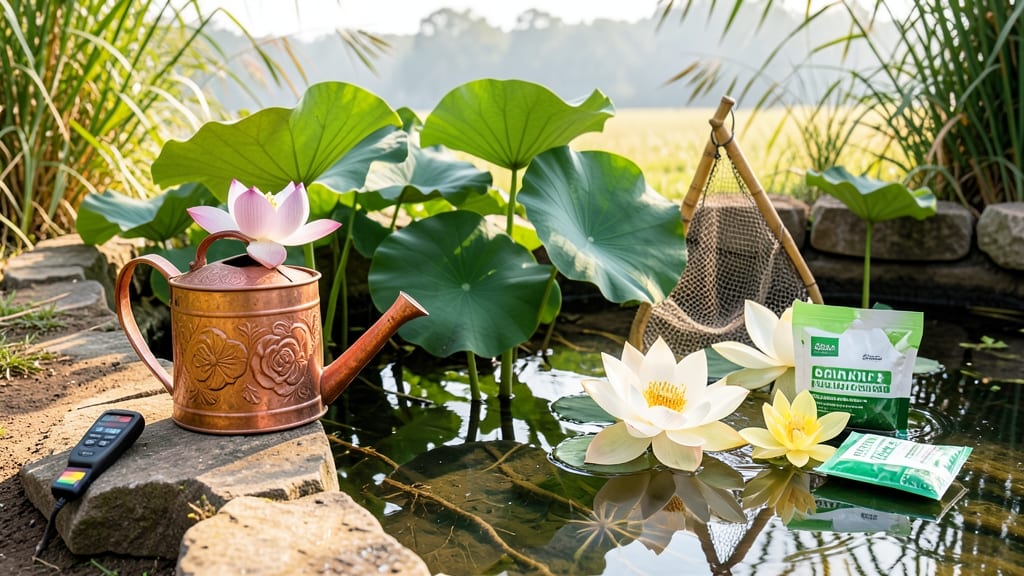
Caring for lotus flowers unlocks nature's most dramatic blooms. 🌿 I've grown them for years, and the secret to those iconic, sunburst flowers isn't complicated—it's about patience, the right water depth, and understanding whether you're growing a hardy or tropical variety.
Lotus plants thrive in 6-12 inches of water, depending on the variety, with full sun for 6-8 hours daily. The soil should be nutrient-rich and slightly muddy at the edges where roots emerge.
Tropical lotuses need warm water, while hardy types can handle cooler temperatures and even brief winter dormancy. By summer, you'll see those signature blooms rising above the water like golden lanterns. The fragrance alone makes it worth the effort—sweet, almost citrusy, and impossible to ignore when they're in full bloom.
Whether you're planting in a pond or large container, the same principles apply. Here's how to keep them thriving through every season.
📚 In This Guide
- What you need
- Instructions
- Tips and common mistakes
- Wrapping up and next steps
What you need
- ● Lotus Tubers: Healthy, disease-free tubers (1-3 per container, depending on size). Choose from Nelumbo nucifera (Asian lotus) or Nelumbo lutea (American lotus).
- ● Large Container or Pond: Minimum 12-18 inches deep for tubers to spread roots (ponds or tubs work best).
- ● At least 2 feet in diameter for one mature plant.
- ● Pond Soil or Aquatic Plant Substrate: Nutrient-rich, clay-heavy soil (or a mix of garden soil + sand for drainage). Avoid peat-heavy mixes.
- ● Water Source: Clean, warm (65–85°F), stagnant or gently flowing water (lotuses love still water!).
- ● Fertilizer: Slow-release aquatic fertilizer (e.g., Osmocote or pond tabs).
- ○ Optional: Liquid fish emulsion (diluted to 1 tbsp per gallon) for a nutrient boost.
- ● Garden Gloves: To protect hands while handling tubers or soil.
- ● Long-Handled Net or Rake: For harvesting blooms or cleaning debris.
- ● Water Testing Kit: To monitor pH (ideal: 6.0–7.5) and ammonia levels.
- ○ Floating Plants (Optional): Water hyacinth or duckweed to shade roots and reduce algae.
- ● Decorative Stones or Rocks: To weigh down edges and prevent soil erosion.
- ● Pest Control: Neem oil or copper barriers (if snails/slugs are a problem).
- ● Sunlight: Full sun (6–8+ hours daily) for vibrant blooms.
- ● Climate: Warm seasons (lotuses dormant in winter; hardy zones 4–11, but tubers may need winter protection in colder areas).
- ● Patience: Lotus tubers take 3–5 years to mature and bloom!
Step-by-Step guide to growing healthy lotus flowers
Lotus flowers thrive with the right balance of water, light, and patience—here’s how to keep yours flourishing.
🌿 Step 1: Plant in the Right Location
Lotus plants need 6-8 hours of direct sunlight daily, so choose a spot near a pond, lake, or large container with 12-18 inches of water (their roots need to stay submerged). If planting in a pond, place them in 6-12 inches of water—too deep and they’ll struggle to bloom. I always dig a hole twice as wide as the root ball to encourage spreading.
Use fertile, clay-heavy soil mixed with a bit of sand for drainage. Lotus roots dislike soggy conditions, but they do need consistent moisture. If your pond water is stagnant, add a small pump to keep it moving—this prevents rot and encourages stronger blooms. Watch for yellowing leaves as a sign of poor drainage or too much sun.
💧 Step 2: Water and Fertilize for Strong Growth
Lotus plants love water but hate standing in it—keep the water level between 6-12 inches above the soil line. In hot weather, they’ll drink more, so top off the pond as needed. I fertilize mine every 4-6 weeks during growing season with a balanced aquatic plant fertilizer (10-10-10 ratio works well). Too much fertilizer causes algae blooms, so follow package instructions closely.
If your lotus starts to wilt in summer, it’s likely thirsty—increase water depth slightly and add a bit of aquatic plant tonic to boost recovery. Avoid tap water if possible; it often contains chlorine that harms roots. Let it sit out for 24 hours before adding to the pond if you must use it.
☀️ Step 3: Prune and Support Blooming Stems
Once your lotus sends up blooming stems, cut back dead or yellowed leaves to redirect energy to flowers. I use clean, sharp pruners to snip stems at the base after blooms fade—this prevents seed heads from weighing down the plant. Leave 2-3 healthy leaves per stem to keep photosynthesis going.
If your lotus grows tall but flops over, tie stems to small stakes or a floating trellis. Lotus flowers are heavy, and without support, they’ll droop into the water. This also keeps petals dry, which extends their vase life if you harvest them. Watch for black spots on leaves—this means fungal issues from too much humidity, so space plants 12-18 inches apart for airflow.
⏰ Step 4: Prepare for Winter Dormancy
Lotus plants go dormant in winter, but their roots stay alive under water. Stop fertilizing in fall (around October) and reduce water depth to 6 inches to protect roots from freezing. I cover the pond with floating mulch (like straw) to insulate the water slightly—this prevents sudden temperature shocks.
In colder climates, move container-grown lotuses indoors to a cool, dark garage (keep roots submerged in a bucket of water). If left outside, ensure the pond doesn’t freeze solid—a small bubbler keeps a hole open for oxygen. Come spring, trim dead foliage but leave the roots undisturbed; new growth will emerge naturally.
Tips & tricks for perfect lotus flower care
These simple strategies will help your lotus plants bloom beautifully year after year—no green thumb required.
Sunlight Secret: I can't stress enough how critical those 6-8 hours of direct sunlight are in Step 1. If your lotus isn't getting enough light, you'll notice weak stems and sparse blooms. In shady spots, consider using a sunlight reflector (like a mirror) to bounce extra light onto the plants during peak sun hours. Morning sun is especially valuable—it helps dry dew quickly, reducing fungal risks.
Water Level Watch: The 6-12 inch water range mentioned in Step 2 is a sweet spot—too little and roots dry out, too much and they rot. Here's my trick: Use a clear ruler or measuring tape to check water depth weekly. In summer heat, I increase depth to 14-16 inches temporarily to help cool the roots, then return to the standard range when temperatures drop. Watch for floating leaves—they're your plant's way of saying "I need more water!"
Fertilizer Timing: That 4-6 week fertilization schedule in Step 2 works wonders, but timing matters. I always fertilize right after a full moon—lots of gardeners swear by this lunar cycle for better nutrient uptake. And here's a pro move: Mix your fertilizer with a bit of compost tea (optional) for a nutrient boost without the algae risk. Just be gentle with applications—over-fertilizing is the #1 cause of those ugly green algae blooms.
Winter Prep: When you reduce water depth to 6 inches in Step 4, don't stop there. I add a thin layer of aquatic-safe mulch (like rice hulls) around the roots—this creates an extra insulating barrier. For container lotuses, I actually bury the entire pot 2-3 inches deep in pond soil to protect against freezing. This simple step saved my first winter lotus from root damage!
Pro Tips for Care For Lotus Flower
- These simple strategies will help your lotus plants bloom beautifully year after year—no green thumb required.
- Sunlight Secret: I can't stress enough how critical those 6-8 hours of direct sunlight are in Step 1.
- Water Level Watch: The 6-12 inch water range mentioned in Step 2 is a sweet spot—too little and roots dry out, too much and they rot.
Frequently asked questions
Got questions about keeping your lotus flowers thriving? Here are some common concerns—and straightforward answers—to help you grow like a pro!
How often should I water my lotus flowers?
Lotus flowers love water but hate soggy roots! Water them daily during hot weather (keeping the soil 1–2 inches underwater), but reduce to every other day in cooler months. Avoid stagnant water—stir the pond gently weekly to prevent rot. Pro tip: Use rainwater or dechlorinated tap water for the best results!
When is the best time to plant lotus flowers?
Plant lotus tubers in spring or early summer (after the last frost) for the best growth. If you’re in a warm climate, fall planting works too—just ensure the water temperature stays above 60°F (15°C). Avoid planting in winter; lotuses are tropical and need warmth to thrive!
Why are my lotus leaves turning yellow?
Yellow leaves usually mean nutrient deficiency or poor water quality. Try these fixes:
- Add a balanced aquatic fertilizer (like 10-10-10) once a month.
- Test your pond water—high ammonia or low pH can stress plants.
- Trim damaged leaves to redirect energy to healthy growth.
Can I grow lotus flowers in a small container or pot?
Yes! Small varieties like Nelumbo nucifera ‘Alba’ thrive in 5–10 gallon containers with 12+ inches of water depth. Use a heavy pot (like ceramic or fiberglass) to prevent tipping, and add aquatic soil or gravel at the bottom for stability. Just ensure the container gets 6+ hours of sunlight daily—lotuses are sun-worshippers!
Do lotus flowers survive winter?
In cold climates (below 20°F/-7°C), lotuses go dormant. Drain the pond slightly, mulch the tubers with straw, and cover with a thick layer of leaves or burlap. In warmer zones, they’ll bloom year-round—just reduce watering in winter. Fun fact: Some varieties even bloom in late summer again after dormancy!
Wrapping up and next steps
Caring for lotus flowers is a rewarding journey that brings beauty and tranquility to your space! With the right balance of sunlight, water, and patience, you’ll enjoy stunning blooms season after season. Remember, lotuses thrive on consistency—whether you’re nurturing them in a pond, pot, or aquatic garden.
Ready to see your lotuses flourish? Start small—try one plant or a few seeds—and observe their growth. Over time, you’ll master the art of lotus care, turning your garden into a serene sanctuary. Happy gardening! 🌸✨