
How To
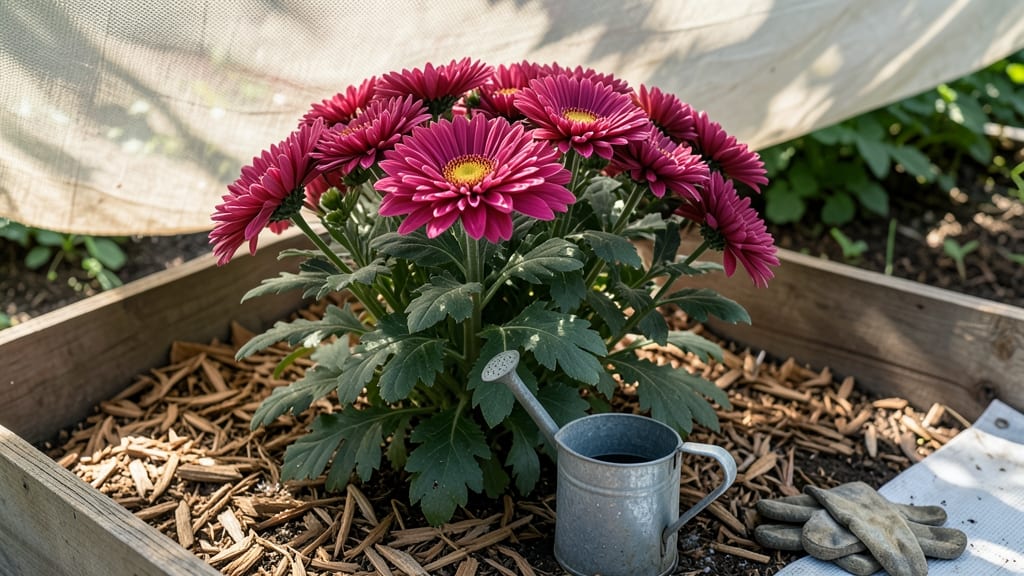
How to care for summer mums like shade-loving divas is the key to keeping them vibrant until frost. 🌿 The secret? Adjusting water, light, and pruning to keep those blooms coming strong. Start with morning watering (1-2 inches per week) and mulch to lock in moisture. Move containers to partial shade by noon if your zone hits 90°F+. Deadhead spent blooms religiously—this tricks mums into producing nonstop color instead of bolting early. By late August, you’ll notice fresh buds forming for fall. A light trim after blooming extends their season, and a balanced fertilizer keeps roots strong. The secret? Less is more—mums reward patience, not pampering. Works for garden beds, containers, or even patio pots. Here’s how to keep them looking their best all season long.
📚 In This Guide
- What you need
- Instructions
- Tips and common mistakes
- Wrapping up and next steps
What you need
- ● Well-draining potting mix: 1 bag (1-2 cubic feet) of high-quality, organic potting soil (look for a blend labeled for perennials or flowering plants).
- ● Containers or garden bed: For potted mums: 1-2 containers per plant (12-16 inches in diameter) with drainage holes.
- ● For in-ground planting: A partially shaded garden bed with loose, fertile soil (amend with compost if needed).
- ● Slow-release fertilizer: 1 packet of balanced, time-release granules (10-10-10 or 14-14-14 ratio).
- ● Mulch: 2-3 inches of organic mulch (shredded bark, straw, or pine needles) to retain moisture.
- ● Watering can or hose with a gentle spray nozzle: For deep, even hydration without disturbing roots.
- ● Pruning shears: Sharp, clean pair for trimming dead or leggy stems.
- ● Shade cloth: 30-50% shade fabric (5’x7’ sheet) to protect from intense afternoon sun.
- ● Self-watering spikes: 2-3 spikes per pot to automate hydration.
- ● Epsom salt: 1 tablespoon (for magnesium boost if leaves look yellow).
- ● Compost tea or liquid fertilizer: For a mid-summer nutrient boost (follow package instructions).
- ● Decorative stones or pebbles: To enhance drainage and aesthetics around pots.
Step-by-Step instructions for summer mum care
Here’s how I keep my mums thriving all season—even in shadier spots—with minimal fuss.
💧 Step 1: Water Deeply but Strategically
Mums hate soggy roots, so water only when the top 2 inches of soil feel dry to the touch. I use a 5-gallon watering can with a long spout to deliver moisture directly to the base, avoiding wetting the foliage. This prevents fungal diseases like powdery mildew, which thrives in humid summer air.
Water in the early morning to let leaves dry before evening humidity sets in. You’ll know you’re nailing it when the soil stays evenly moist but never waterlogged—think of a wrung-out sponge. Overwatering stresses mums, while underwatering causes buds to drop before they open.
☀️ Step 2: Adjust Light Exposure Gradually
Most mums tolerate partial shade (3–6 hours of morning sun), but too much direct afternoon sun can scorch their delicate blooms. If your mums were in full sun earlier in the season, move them to a spot with dappled light or filter the sun with a sheer curtain during peak heat hours.
Watch for leaves curling or turning yellow—this signals too much sun. Mums in containers can be rotated weekly to ensure even light exposure. I’ve found that a north-facing window or the edge of a patio under a tree works perfectly for my shade-loving varieties.
✂️ Step 3: Deadhead and Prune for Continuous Blooms
Snip off spent blooms just above a set of leaves using clean, sharp pruners. This encourages the plant to redirect energy into new buds instead of seed production. I deadhead every 3–4 days during peak bloom season, which keeps my mums flowering nonstop from early summer until frost.
If your mums look leggy, give them a light trim by cutting back the longest stems by one-third. This promotes bushier growth and prevents flopping. Avoid heavy pruning—mums are sensitive, and aggressive cuts can stress them, especially in summer heat.
🌿 Step 4: Feed and Protect During Heatwaves
Apply a balanced, water-soluble fertilizer (10-10-10) every 4–6 weeks during the growing season. Dilute it to half-strength to avoid burning roots, especially in hot weather. I also sprinkle compost tea around the base monthly for extra nutrients without overloading the soil.
During heatwaves, shield mums from extreme temperatures by placing them on elevated trays or using mulch rings to keep roots cool. If your mums wilt despite proper watering, move them to a shadier spot immediately—they’re telling you they’re overheating.
Tips & tricks for perfect summer mum care
Here's what nobody tells you about keeping mums vibrant in shady spots—small details that make all the difference.
Soil Moisture Secret: The 2-inch dryness test in Step 1 is your golden rule, but here's the thing: mums in containers dry out faster than in-ground plants. Check the soil every other morning in containers and adjust watering accordingly. I keep a small moisture meter handy for containers—it's worth the investment to avoid the stress of over- or under-watering.
Light Transition Hack: When moving mums from full sun to partial shade, do it gradually over 7-10 days rather than all at once. Sudden shade changes can cause buds to drop. I start by moving them to a spot with 3 hours of morning sun, then reduce by 30 minutes each day until reaching the ideal 3-6 hours range mentioned in Step 2.
Pruning Precision: For that one-third trim in Step 3, focus on cutting just above a leaf node where new growth can emerge. Avoid cutting into woody stems—this can harm the plant. I use clean pruners and dip them in rubbing alcohol between cuts to prevent spreading disease. This simple step keeps your mums looking full and prevents that sad, leggy appearance.
Heatwave Rescue Strategy: If your mums wilt during extreme heat despite proper watering, it's not just about shade—it's about root temperature. Elevate containers on brick or ceramic tiles to prevent heat from radiating up into the soil. For in-ground plants, create a 2-inch mulch ring with straw or shredded bark to insulate roots. This mimics their natural forest-floor habitat and keeps them cool.
Pro Tips for Care For Mums In The Summer
- Here's what nobody tells you about keeping mums vibrant in shady spots—small details that make all the difference.
- Soil Moisture Secret: The 2-inch dryness test in Step 1 is your golden rule, but here's the thing: mums in containers dry out faster than in-ground plants.
- Light Transition Hack: When moving mums from full sun to partial shade, do it gradually over 7-10 days rather than all at once.
Frequently asked questions
Got questions about keeping your mums thriving in the summer heat? You’re not alone! Here are some of the most common concerns—and straightforward answers—to help you care for these shade-loving beauties like a pro.
Can mums survive full sun in summer?
While mums love shade, they can handle morning sun (3–4 hours max) if your climate is mild. Avoid harsh afternoon rays—think 30–50% shade (like under trees or lattice) to prevent wilting or scorched leaves. If your garden is sizzling, opt for shade-tolerant varieties like ‘White Chocolate’ or ‘Pink Profusion.’
How often should I water mums in summer?
Water deeply 2–3 times per week (or daily in extreme heat) to keep soil 1–2 inches moist. Early morning is best—avoid evening watering to prevent fungal issues. Mulch (2–3 inches of straw or shredded leaves) locks in moisture and protects roots. Pro tip: Check soil moisture with your finger; if the top layer is dry, it’s time to water!
Why are my mums drooping in the heat?
Drooping usually means thirst or stress. First, give them a deep drink of water. If the soil feels dry but the droop persists, they might be overheated. Move pots to shadier spots or elevate container mums with pot feet for airflow. Trim wilted blooms to encourage new growth—just avoid cutting into green stems.
Can I fertilize mums in summer?
Yes, but lightly! Use a balanced, water-soluble fertilizer (10-10-10) every 4–6 weeks during active growth (spring–early summer). Avoid heavy feeding in August—it encourages tender new growth that can get fried by heat. Instead, switch to a low-nitrogen, high-phosphorus feed (like 5-10-10) to boost blooms.
What’s the best mulch for summer mum care?
Choose organic mulches like straw, shredded bark, or pine needles (2–3 inches thick). These keep roots cool, retain moisture, and break down to enrich soil. Avoid dark mulches (like black plastic or cocoa shells)—they absorb heat and can raise soil temps. For containers, use coco coir or peat moss to insulate roots.
Are there any summer pests I should watch for?
Keep an eye out for aphids, spider mites, and slugs. Aphids cluster on new growth; blast them off with water or use neem oil. Spider mites thrive in dry heat—spray leaves with water to deter them. For slugs, set up beer traps or use copper tape around pots. Inspect undersides of leaves weekly for early signs!
Wrapping up and next steps
Caring for your mums in summer is all about balance—keeping them cool, hydrated, and happy while celebrating their vibrant blooms. With the right shade, watering routine, and a little TLC, you’ll enjoy nonstop color all season long. 🌸
Now that you’re armed with the secrets, grab your gardening gloves and head outside! Start small—try one of these tips today, then watch your garden thrive. Happy gardening! 🌿