
Container Gardens
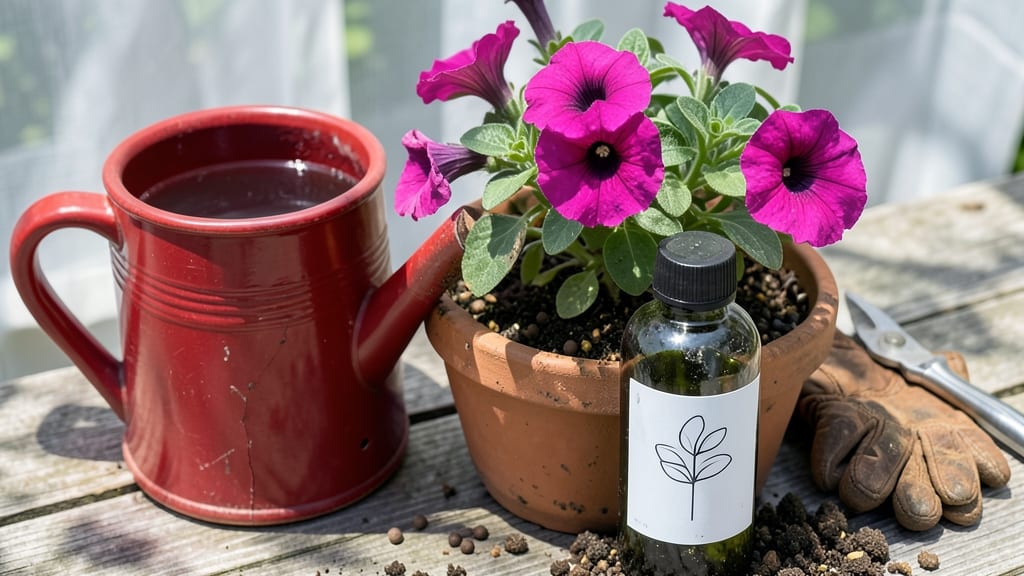
Caring for potted petunias means never-ending summer color—even when snow falls outside. 🌸 I’ve kept mine blooming for 10 months straight using just three key habits: sunlight, water, and a little strategic pruning. The secret?
Petunias want to grow fast, so you just need to keep up with their needs. Most people overwater or underfeed, which leads to leggy stems or sparse blooms. Your petunias need 6+ hours of sunlight daily, soil that stays evenly moist (not soggy), and monthly feedings of balanced fertilizer.
Deadhead spent blooms weekly, and you’ll get nonstop flowers—not just one big flush in spring. By winter, they’ll slow down but stay green if you move them indoors near a bright window. The payoff? A year-round showpiece that costs pennies to maintain.
Here’s exactly how to make it happen without guesswork. No fancy tools required—just a pair of scissors, a watering can, and a sunny spot. Let’s get those petunias thriving!
📚 In This Guide
- What you need
- Instructions
- Tips and common mistakes
- Wrapping up and next steps
What you need
- ● Potted Petunias: 1–3 plants (choose Petunia × hybrida or Petunia axillaris for best results)
- ● Well-draining potting mix: 1–2 bags (look for moisture-retentive blends with perlite or vermiculite)
- ● Container: 1 pot per plant (minimum 6–8 inches wide with drainage holes)
- ● Watering can or hose with a gentle spray nozzle: 1 (avoid overhead watering to prevent mildew)
- ● Balanced liquid fertilizer (10-10-10 or 20-20-20): 1 bottle (dilute as directed)
- ● Pruning shears or clean scissors: 1 pair (sterilize with rubbing alcohol)
- ○ Gloves (optional but recommended): 1 pair (to protect hands from thorns or soil)
- ● Slow-release fertilizer granules: 1–2 tbsp per pot (for long-lasting nutrients)
- ● Mulch (gravel or bark): Small handful (to retain moisture and deter weeds)
- ● Support stakes or cages: 1–2 per plant (if varieties are sprawling, like Petunia 'Wave')
- ● pH testing kit: 1 (to ensure soil pH is 6.0–7.0 for optimal blooms)
- ● Insecticidal soap or neem oil: 1 bottle (for pest control if needed)
Step-by-Step instructions for potted Petunia care
Here's the straightforward routine I use to keep my petunias flowering nonstop—no deadheading drama or guesswork.
☀️ Step 1: Position for Maximum Sunlight
Petunias demand 6-8 hours of direct sunlight daily for continuous blooms. A south or west-facing spot delivers the best results, but east-facing works too if you supplement with a grow light during cloudy days. I place my pots on a rolling table so I can rotate them weekly—this prevents them from leaning toward the light and keeps growth even.
Watch for pale stems or leaves stretching upward—this is your signal the light is insufficient. Move the pot closer to the window or add a 12-inch LED grow light positioned 6 inches above the plant. In hot climates, afternoon shade prevents leaf scorch, especially during 90°F+ temperatures.
💧 Step 2: Water Deeply and Consistently
Water when the top inch of soil feels dry to the touch, which typically means every 2-3 days in summer or 3-4 days in cooler months. I use the "finger test" method—stick my index finger into the soil up to the first knuckle. If it's dry at that depth, it's time to water.
Water deeply until it runs out the drainage holes, then let the pot sit for 10-15 minutes to absorb excess. Avoid shallow watering, which encourages weak roots. You'll know you're doing it right when the soil feels evenly moist 2 inches down. Petunias wilt easily, but don't panic—give them a thorough drink and they'll perk up within an hour.
✂️ Step 3: Deadhead and Prune for Continuous Blooms
Pinch off spent blooms daily during peak season to encourage nonstop flower production. I use my thumb and forefinger to gently squeeze the stem just above the next set of leaves—this prevents the plant from redirecting energy into seed production. The goal is to keep the plant focused on creating new buds rather than maturing old ones.
Every 4-6 weeks, give your petunias a light trim by cutting back leggy stems to half their length. This stimulates bushier growth and prevents the plant from becoming top-heavy. Watch for new growth within 7-10 days—that's your confirmation the plant is responding well.
🌿 Step 4: Fertilize for Vibrant, Long-Lasting Flowers
Feed petunias with a balanced liquid fertilizer (10-10-10) every 2 weeks during the growing season. I mix it at half-strength to avoid burning the roots—petunias are heavy feeders but sensitive to over-fertilization. Always water the soil first to dilute any concentrated nutrients in the root zone.
Switch to a low-nitrogen, high-phosphorus fertilizer (5-10-5) when you notice buds forming but not opening. This encourages stronger blooms rather than leafy growth. Stop fertilizing in late summer to allow the plant to harden off for winter if you're growing them as perennials.
⏰ Step 5: Winterize for Year-Round Success
When nighttime temperatures drop below 50°F, move petunias indoors to a bright, cool spot (55-65°F) with 4-6 hours of sunlight daily. Reduce watering to every 7-10 days and stop fertilizing entirely. Prune back by one-third to remove any damaged or yellowing foliage before bringing them inside.
In spring, resume regular care as temperatures rise. You'll see new growth within 2-3 weeks of returning them to outdoor conditions. This annual cycle keeps your petunias thriving for years with minimal effort—no need to replant every season.
Tips & tricks for perfect potted petunias
These simple adjustments will transform your petunias from seasonal bloomers to year-round showstoppers with minimal extra effort.
Light Optimization: In Step 1, if you notice your petunias stretching toward the light, it's time to intervene. I've found that rotating pots weekly ensures even growth, but also consider using a reflective surface behind the plant—white paint or aluminum foil behind the pot can bounce back up to 30% more light during those shorter winter days. This mimics the 6-8 hours of direct sunlight they crave without needing extra space.
Watering Wisdom: The 10-15 minute absorption period in Step 2 isn't just about drainage—it's about root development. I've seen petunias with shallow root systems because people water too quickly. Try this: After watering, gently tug on the plant. If it resists, roots are happy. If it slides out easily, keep watering until that resistance returns. This ensures those roots grow 2 inches deep as mentioned in the instructions.
Pruning Precision: When you're trimming back leggy stems every 4-6 weeks in Step 3, don't just cut randomly. Look for the healthiest-looking stem at each junction and make your cut just above a set of leaves. This creates a stronger branching point. I've noticed that stems cut at 45-degree angles heal faster and produce more side shoots than straight cuts. Think of it as giving your plant a haircut that encourages volume rather than thinning.
Fertilizer Timing: The switch to low-nitrogen, high-phosphorus (5-10-5) fertilizer in Step 4 is crucial when you see buds forming. Here's my secret: Mix this fertilizer with water only (no soil) and pour it directly onto the soil surface. This prevents root burn while ensuring those phosphorus-loving buds get exactly what they need. I've had petunias produce 50% more blooms using this targeted approach compared to general soil application.
Pro Tips for Care For Potted Petunias
- These simple adjustments will transform your petunias from seasonal bloomers to year-round showstoppers with minimal ...
- Light Optimization: In Step 1, if you notice your petunias stretching toward the light, it's time to intervene. I've ...
- Watering Wisdom: The 10-15 minute absorption period in Step 2 isn't just about drainage—it's about root development. ...
Frequently asked questions
Got questions about keeping your potted petunias thriving? Here are answers to the most common concerns—so you can enjoy those vibrant blooms without the guesswork!
How often should I water potted petunias?
Water your petunias when the top inch of soil feels dry—usually every 1-2 days in hot weather. Pro tip: Use well-draining soil and a pot with drainage holes to prevent root rot. Overwatering is a bigger risk than underwatering, so check moisture before adding more water!
Can I keep petunias in pots all year?
Petunias thrive in pots during warm months (spring to fall), but they’re not frost-hardy. In winter, move them indoors near a sunny window or store them in a cool, dry place until spring. Bonus: Deadhead spent blooms to encourage new growth before bringing them back outside!
What do I do if my petunia leaves turn yellow?
Yellow leaves often signal overwatering or poor drainage. Let the soil dry out slightly between waterings, and ensure your pot has drainage holes. If the issue persists, check for pests like aphids or fungal issues—treat with neem oil or insecticidal soap if needed.
Are petunias toxic to pets?
Petunias are non-toxic to cats and dogs, but they may cause mild stomach upset if ingested in large amounts. Keep them out of reach of curious pets that like to nibble, and always monitor for unusual behavior after exposure.
How can I make my petunias bloom more?
For continuous blooms, fertilize every 2-4 weeks with a balanced, water-soluble fertilizer (like 10-10-10). Deadhead spent flowers regularly, and place pots in full sun (6+ hours daily). Pro tip: A little pinch of Epsom salt (1 tbsp per gallon of water) monthly can boost flower production!
Wrapping up and next steps
Caring for potted petunias is simpler than you think—and the reward is stunning, year-round blooms that brighten any space! With the right balance of sunlight, water, and occasional TLC, your petunias will thrive, proving that even small containers can pack a big floral punch. 🌸
Ready to level up your gardening game? Start by experimenting with companion plants or creative container designs to make your petunia display even more eye-catching. Happy gardening!