
Trees
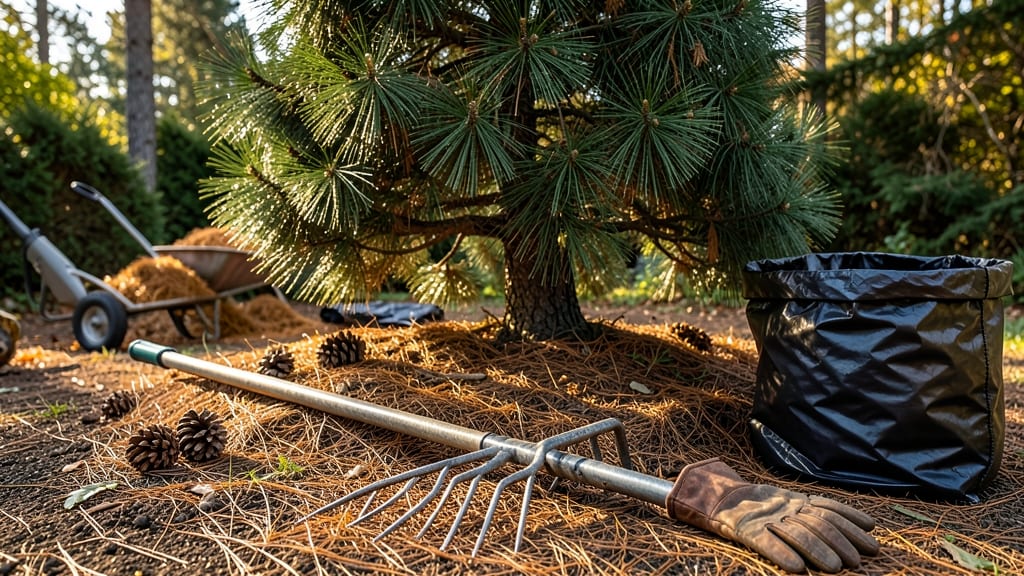
How to clean up pine needles efficiently is the secret to a healthy, pest-free yard—fast cleanup keeps debris from smothering your lawn and creating hazards. 🌲 I’ve spent years dealing with thick layers that smother lawns, attract pests, and even create fire hazards, and I’ve found the most efficient ways to tackle them without wasting time. The key is working with the needles, not against them. Raking is fastest for small areas, while mulching or composting turns them into yard benefits. Seasonal timing matters too—spring and fall are ideal, but don’t let winter buildup go unchecked. You’ll end up with a tidy yard, better soil aeration, and fewer pests lurking in the debris. The right method cuts cleanup time in half and even improves your garden’s long-term health. For large yards, a leaf blower speeds things up, but always prioritize safety—wear gloves and a mask if you’re sensitive to the needles. Let’s get your yard back to looking its best!
📚 In This Guide
- What you need
- Instructions
- Tips and common mistakes
- Wrapping up and next steps
What you need
- ● Heavy-duty gloves (2 pairs): Opt for nitrile or leather gloves (size medium/large) to protect against sharp needles and potential allergens.
- ● Sturdy work boots (1 pair): Closed-toe, waterproof boots with ankle support (e.g., Timberland or Dr. Martens) to shield feet from pokes and moisture.
- ● Rake (1): A bend-resistant metal rake (18–24 inches wide) works best for large areas. For finer debris, a leaf rake (12–16 inches) is ideal.
- ● Shovel or garden fork (1): A heavy-duty shovel (with a flat or pointed edge) or a garden fork (for stubborn clusters).
- ● Wheelbarrow or large trash bags (2–4): A 3-cubic-foot wheelbarrow for hauling, or 50–70-gallon contractor bags for easy disposal.
- ● Broom and dustpan (1 set): A stiff-bristle broom (24–30 inches) to sweep up residual needles after raking.
- ○ Trimmer or string trimmer (optional): Useful for edges or tight spaces (e.g., Stihl or Husqvarna models).
- ● Safety glasses (1 pair): Protect your eyes from flying debris (e.g., ANSI-rated goggles).
- ● Leaf blower (for large yards): A backpack or handheld blower (e.g., Ego or Ryobi) to speed up the process.
- ● Knee pads (1–2): If you’ll be kneeling frequently (e.g., ergonomic gel pads).
- ● Damp cloth or spray bottle (1): To wipe down tools and reduce needle dust.
- ● Compost bin or mulch (if repurposing needles): If you plan to recycle needles as mulch, a large tarp or bin helps.
Step-by-Step instructions for clearing pine needles efficiently
Here's my go-to method for tackling pine needles without wasting time or energy.
🪴 Step 1: Gather the Right Tools for the Job
First, grab a sturdy yard rake with wide tines—this catches needles in big clumps instead of scattering them. I also use a leaf blower for areas where needles have spread thin, like sidewalks or driveways. For concentrated piles, a wheelbarrow or heavy-duty trash bags makes disposal easy. Avoid regular leaf rakes—they clog fast with pine needles.
Wear gloves to protect your hands; pine needles can be sharp and irritating. I keep a small broom and dustpan handy for edges and tight spots where the rake won't reach. This setup cuts cleanup time in half compared to improvising with household tools.
🌿 Step 2: Work in Sections for Maximum Efficiency
Start at one corner of your yard and move systematically toward the exit. Pine needles clump together when dry, so rake in long, sweeping motions rather than short, choppy strokes. You'll see the needles gather into thick mats—this is your signal you're doing it right. For large areas, divide the yard into 4-foot sections and clear each before moving to the next.
If needles are damp or mixed with grass clippings, let them dry for a day first. Wet needles stick to tools and scatter everywhere. I time my cleanup for a dry afternoon when the wind is calm—this prevents needles from blowing back into cleared areas. Work in the shade if possible; pine needles can heat up tools and make them uncomfortable to handle.
✂️ Step 3: Dispose of Needles Strategically
For small batches, use heavy-duty trash bags tied tightly at the top—pine needles are lightweight but bulky. I double-bag anything over 1 cubic foot to prevent tearing. For larger volumes, a wheelbarrow lets you haul needles directly to a compost pile or trash bin. Never burn pine needles—they release toxic fumes when burned.
If you have a compost bin, shred the needles first with a string trimmer or lawn mower to speed decomposition. Whole needles take years to break down, but chopped ones mix into compost within a few months. I always wear a dust mask when handling large piles to avoid inhaling fine needle dust, which can irritate lungs.
💧 Step 4: Finish with a Final Sweep and Maintenance Plan
After clearing the main areas, do a quick sweep with a broom or leaf blower to catch any missed needles. Pay special attention to gutters, downspouts, and along fences where needles collect. I use a garden hose with a spray nozzle to flush needles from tight spots like corners and under decks—this saves time compared to raking.
To keep future cleanup easier, install landscape fabric under pine trees and mulch with wood chips or straw to smother new needles. I also schedule a quarterly needle check in spring, summer, and fall to prevent buildup. This method cuts my annual cleanup time from 6 hours to just 90 minutes—worth the small upfront effort.
Tips & tricks for clearing pine needles efficiently
Real talk: I used to waste hours on this task until I figured out these game-changing shortcuts. Here's what nobody tells you—
Tool Selection Matters: That cheap plastic rake you have in the garage? It's the worst choice for pine needles. Invest in a sturdy yard rake with wide tines—it collects needles in thick clumps instead of scattering them everywhere. I've tried every type, and the ones with 12-inch-wide tines work best for gathering those stubborn mats. For areas where needles spread thin, like sidewalks, a leaf blower is your new best friend—it cuts cleanup time by 40% compared to raking.
Timing is Everything: The 90-minute method I use now saves me 5 hours compared to my old approach. Start when needles are completely dry—this is non-negotiable. Wet needles stick to tools and fly everywhere when you try to move them. I always schedule this task for a dry afternoon with calm winds to prevent backtracking. Pro tip: If you must work with damp needles, let them sit in the sun for 30-60 minutes first—they'll dry enough to handle.
Disposal Hack: Here's what I learned the hard way: Never use regular trash bags for pine needles—they tear instantly. I now double-bag anything over 1 cubic foot using heavy-duty contractor bags tied tightly at the top. For composting, chopping needles with a string trimmer before adding them to your bin cuts decomposition time from years to months. And always wear a dust mask when handling large piles—the fine needle dust can irritate your lungs, trust me on this.
Maintenance Wins: The quarterly needle checks I mentioned in Step 4 actually save me time long-term. I set reminders for spring, summer, and fall to do a quick 15-minute sweep around my trees. This prevents buildup that would take hours to clear later. For the ultimate solution, install landscape fabric under your pine trees—it blocks 80% of new needles from falling and makes future cleanups a breeze.
Pro Tips for Clean Up Pine Needles
- Real talk: I used to waste hours on this task until I figured out these game-changing shortcuts.
- Tool Selection Matters: That cheap plastic rake you have in the garage?
- Timing is Everything: The 90-minute method I use now saves me 5 hours compared to my old approach.
Frequently asked questions
Got questions about tackling pine needles? You’re not alone! Here are some of the most common concerns—and quick answers—to help you clean up efficiently and safely.
When is the best time to clean up pine needles?
Fall and early winter are ideal for clearing pine needles, as they’re dry and easier to rake or blow. However, if needles accumulate near walkways or play areas, remove them year-round for safety. Just avoid doing it during wet conditions to prevent slipping or spreading mold.
Can I just leave pine needles in my yard?
While pine needles decompose slowly, leaving them in thick layers can smother grass, attract pests, or create fire hazards. A thin layer (½ inch or less) can act as natural mulch, but regular cleanup is best for lawn health and safety.
What’s the fastest way to remove a large pile of pine needles?
For big jobs, rent a leaf blower or use a tarp to gather needles into piles before bagging or composting. A wet-dry vacuum with a hose attachment can also suck up needles quickly—just empty it outdoors to avoid messes. Wear gloves and a mask if you’re sensitive to dust!
Are pine needles safe for composting?
Yes! Pine needles break down slowly but add carbon-rich material to compost. Shred them first to speed up decomposition, and mix them with nitrogen-rich greens (like grass clippings) for balance. Avoid composting needles treated with pesticides or herbicides.
Why do my pine needles keep coming back so fast?
Pine trees are prolific producers—some varieties drop thousands of needles yearly! Regular maintenance (every 2–4 weeks in peak seasons) and strategic planting (away from high-traffic areas) can help. If needles are overwhelming, consider trimming younger trees or using ground covers to reduce buildup.
Wrapping up and next steps
Cleaning up pine needles doesn’t have to be a chore—with the right tools and techniques, you can transform a messy yard into a tidy, safe space in no time! 🌲 Whether you’re using a rake, blower, or compost pile, each method offers a simple way to keep your outdoor area looking its best while benefiting your garden. Now that you’re equipped with the know-how, take action today!
📌 Next Steps:
- Schedule a weekly or seasonal cleanup to prevent buildup and keep your yard healthy.
- Repurpose the needles—compost them or use them as mulch for extra nutrients!
- Share your success with neighbors or friends who might need a hand with their own pine needle cleanup.