
Flowers
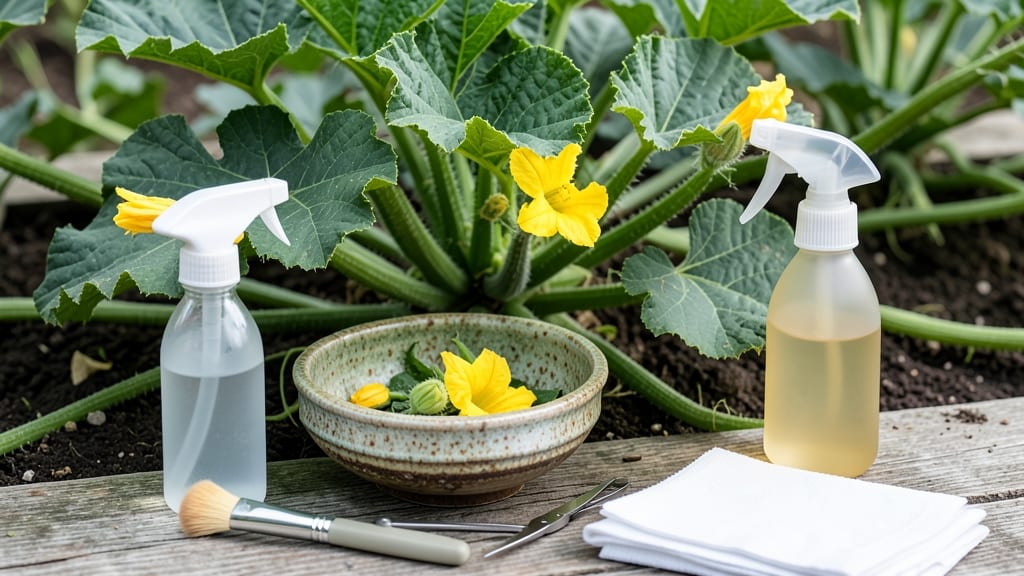
How to clean zucchini flowers requires the gentlest touch—dirty petals hide bitter flavors and scare off bees. 🌸 I learned this the hard way when my first batch tasted like dirt, no matter how much I washed the zucchini itself. The secret? A light rinse that preserves their delicate structure while removing debris without damaging pollen.
You only need three things: a bowl of cool water, a soft paintbrush (or your fingers), and a clean kitchen towel. Never use hot water—it shocks the delicate petals—and avoid shaking them, which can dislodge precious pollen.
The goal is to remove surface dirt without disturbing the center where bees (or your recipe) need the pollen intact.
Start by gently cupping the flower over the water bowl and letting any loose dirt fall away. Use your fingers or the brush to wipe (not scrub) the petals, focusing on the outer edges.
For stubborn dirt, a damp paper towel works better than water. The flowers should look fresh but still slightly dewy—never soggy.
Dry them immediately on a towel, laid flat to preserve their shape. Clean flowers keep for 24 hours in the fridge if stored in a paper towel-lined container, but use them sooner for the best flavor.
The payoff? Flowers that taste clean, look stunning in dishes, and still attract pollinators if you return them to the garden.
📚 In This Guide
- What you need
- Instructions
- Tips and common mistakes
- Wrapping up and next steps
What you need
- ● Fresh zucchini flowers: 3–5 flowers (harvested early morning for maximum freshness).
- ● Cool, filtered water: 1–2 cups (lukewarm or room temperature). Avoid hot water—it can damage delicate petals!
- ● Soft-bristled brush: A clean, new toothbrush or makeup brush (size 00–0) for stubborn pollen.
- ● Paper towels or lint-free cloths: 2–3 sheets (unbleached, chemical-free for food-safe drying).
- ● Small bowl or colander: Wide enough to hold flowers without crowding (stainless steel or glass preferred).
- ● Sharp kitchen shears or small scissors: For trimming stems (sterilized with rubbing alcohol if reused).
- ● White vinegar (1:4 dilution): 1 tbsp vinegar per cup of water to gently disinfect (rinse thoroughly afterward).
- ● Food-safe spray bottle: For a light mist if flowers are very dusty.
- ● Salad spinner: To gently dry flowers without crushing petals.
- ● Glass jar with lid: For storing cleaned flowers in the fridge (up to 24 hours).
Step-by-Step instructions for cleaning zucchini flowers
Here's the gentle method I use to keep those delicate blooms pristine for pollinators and perfect pollination.
💧 Step 1: Gather Your Cleaning Supplies
You won't need much—just a few simple items. Grab a soft-bristle paintbrush or makeup brush (new or dedicated to gardening), a small bowl of lukewarm water, and a clean paper towel. Avoid anything abrasive like sponges or rough cloths—they can damage the delicate petals.
I like to work on a flat, stable surface like a table or cutting board. Place your bowl of water nearby, but don't soak the flowers—just a light misting is all they need. The goal is to remove dust and debris without harming the pollen or petals.
🌿 Step 2: Gently Remove Dust and Debris
Hold the flower stem firmly with one hand while using the soft brush to lightly sweep away dust from the petals. Start at the outer edges and work your way toward the center, where the pollen lives. You'll see fine particles lift away—this is normal and exactly what you want to remove.
For stubborn dirt, dip the brush in the lukewarm water and gently dab at the petals. Avoid pressing too hard; zucchini flowers are delicate and can tear easily. If you notice pollen clinging to the brush, simply tap it off over the bowl—it’s okay if a little falls out, but don’t disturb the pollen on the flower itself.
🌱 Step 3: Dry the Flowers Thoroughly
After rinsing, pat the flowers dry with the paper towel using a gentle tapping motion. Avoid rubbing, as this can damage the petals. The goal is to remove excess moisture without causing any harm. You’ll know they’re dry enough when the petals look slightly crisp but not wet.
Let the flowers sit for 5-10 minutes in a dry, shaded area before returning them to the plant. This extra step ensures no moisture remains, which could attract pests or cause the petals to rot. I like to place them on a clean, dry towel until they’re fully dry to the touch.
⏰ Step 4: Return Flowers to the Plant
Once the flowers are completely dry, carefully reattach them to the plant. Gently twist the stem to separate it from the towel, then guide it back into the flower cluster. If the stem feels brittle, don’t force it—let it stay detached. New flowers will bloom within 2-3 days, so you won’t be without them long.
Here’s the thing—don’t overclean. Zucchini flowers are resilient, and a little dust won’t hurt them. Only clean them if they look visibly dirty or if you’re preparing them for pollination assistance (like hand-pollinating). Overhandling can stress the plant and reduce yields.
Tips & tricks for perfect zucchini flower cleaning
A few simple tricks will help you keep those delicate blooms looking fresh while protecting their pollen for pollinators.
Tool Selection: If you don't have a soft-bristle paintbrush, a clean makeup brush works perfectly—just make sure it's new or dedicated to gardening. I've even used a clean, soft toothbrush in a pinch, but avoid anything with stiff bristles that could damage the petals. The key is to mimic the delicate touch of a bee's wings when cleaning.
Water Temperature Trick: That lukewarm water in Step 1 is crucial—too hot can shock the delicate petals, while cold water won't effectively remove stubborn dirt. I like to test the water temperature on my wrist first to ensure it's comfortably warm, not hot. This gentle approach prevents any stress to the flowers while still getting them clean.
Drying Technique: The 5-10 minute drying time in Step 3 is your best defense against moisture-related issues. I've found that placing flowers on a clean, dry towel works best—just lay them flat and let them air dry naturally. Avoid using heat sources like hair dryers, as even gentle warmth can damage the pollen and delicate tissues.
Pro Tips for Clean Zucchini Flowers
- A few simple tricks will help you keep those delicate blooms looking fresh while protecting their pollen for pollinators.
- Tool Selection: If you don't have a soft-bristle paintbrush, a clean makeup brush works perfectly—just make sure it's new or dedicated to gardening.
- Water Temperature Trick: That lukewarm water in Step 1 is crucial—too hot can shock the delicate petals, while cold water won't effectively remove stubborn dirt.
Frequently asked questions
about cleaning zucchini flowers—because even the pros have questions! Here are answers to the most common ones to help you prep like a pro.Can I reuse water for cleaning multiple batches of zucchini flowers?
It’s best to use fresh, cool water for each batch. Reusing water can transfer pollen or debris, which may clog the flower’s delicate structures or introduce bacteria. Think of it like washing your hands—fresh is always better!
How long should I let the flowers soak before rinsing?
Soaking isn’t necessary! A quick 30-second dip in water is enough to loosen pollen and dirt. Over-soaking can weaken the petals or cause them to wilt. Treat them gently—like handling a baby bird!
What if my zucchini flowers are already dusty or dirty?
No worries! Use a soft paintbrush or makeup brush to gently sweep away stubborn pollen or debris before rinsing. Avoid rubbing, as this can damage the delicate petals. Think of it as dusting a fragile ornament.
How soon after picking should I clean the flowers?
Clean them as soon as possible—ideally within 1–2 hours of picking. This prevents pollen from drying out or attracting pests. If you can’t clean them right away, store them in a paper bag in the fridge (not plastic!) for up to 24 hours.
Can I clean zucchini flowers with soap or detergent?
Absolutely not! Soap or detergent will leave residue that can harm the flowers or contaminate your dish. Stick to plain water or a mild vinegar rinse (1:10 ratio) if needed. Think of it like washing your face—gentle is key!
What if the flowers look wilted after cleaning?
Wilted petals are normal—just give them a quick shake or place them in a cool, dark spot for 10–15 minutes before using. Avoid refrigerating them, as this can speed up wilting. A little patience goes a long way!
Wrapping up and next steps
Cleaning zucchini flowers is a breeze once you know the gentle tricks—just a soft rinse, a dry pat, and a little patience go a long way! 🌸 These delicate blooms are packed with flavor and beauty, and with the right care, you’ll harvest abundant, fresh zucchini or even enjoy their edible petals in salads.
Now that you’re equipped with the know-how, why not grab a pair of flowers and give it a try? Your garden—and your taste buds—will thank you!
Next step: Head to your garden, pick a few blooms, and practice your new cleaning skills before they turn into zucchini! 🌱