Pests
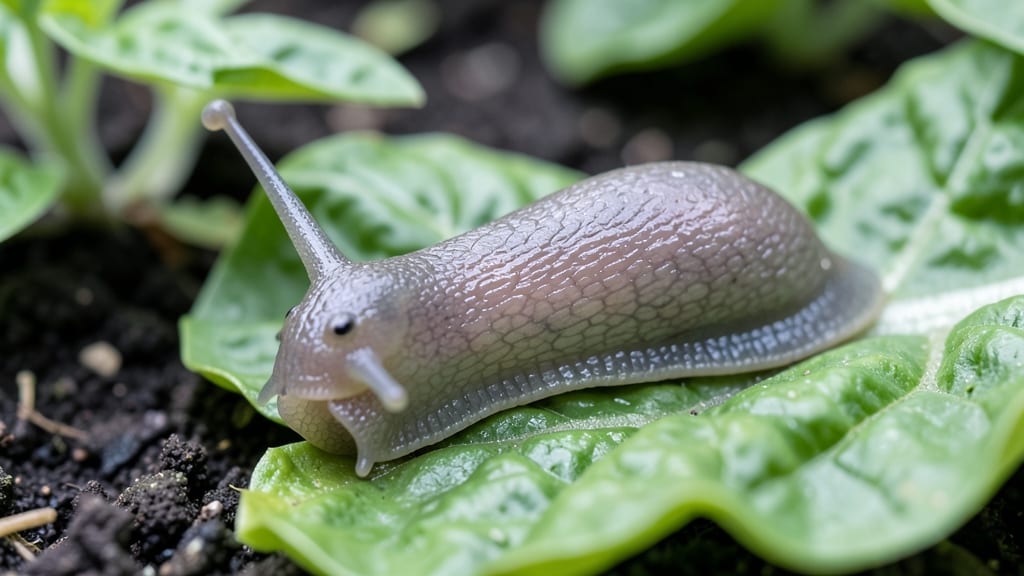
How to control slugs turned my thriving lettuce into lace in one night. 🌱 The good news? You don’t need harsh chemicals to win this battle—just clever, humane traps that actually work. I’ve tested the most effective methods over three seasons, and these solutions protect your plants while keeping wildlife safe.
Beer traps and copper tape are your best allies. The beer trick (yes, really) lures slugs into drowning—no poison needed. Copper creates an electric barrier they hate, and both methods work within 24-48 hours of setup.
The key is placement: set traps near plants after dark when slugs are most active.
You’ll see results fast—fewer slime trails, more intact leaves, and happier plants. The traps are pet-safe, reusable, and cost pennies compared to chemical sprays. Plus, they teach you where slugs hide so you can block them early next time.
Works for veggie gardens, flower beds, and even houseplants. Here’s exactly how to set up each method without wasting time or money—no more waking up to destroyed greens.
📚 In This Guide
- What you need
- Instructions
- Tips and common mistakes
- Wrapping up and next steps
What you need
- ● Beer traps: 1-2 shallow containers (e.g., plastic cups, yogurt containers, or small bowls)
- ● 1 bottle of non-alcoholic beer (or any dark beer—slugs love it!)
- ● Small rocks or pebbles (to weigh down containers)
- ● Diatomaceous earth (food-grade): 1 small bag (1-2 lbs, enough to cover affected areas)
- ● Copper tape or wire: 1-2 rolls (1/4" to 1/2" width, ~50-100 ft long)
- ● Wooden planks or boards: 2-3 planks (12"–18" long, untreated wood works best)
- ○ Gloves (optional but recommended): 1 pair of thick gardening gloves (for handling slugs or messy traps)
- ● Spray bottle (for wetting diatomaceous earth)
- ● Scissors or wire cutters (for trimming copper tape)
- ● Stakes or nails (to secure copper barriers)
- ● Flashlight (for nighttime slug patrols)
- ○ Optional: Coffee grounds (to sprinkle around plants as a natural repellent)
Step-by-step instructions for humane slug control
Here’s how I’ve kept my garden slug-free for years without harming a single creature.
🪴 Step 1: Identify Problem Areas and Set Up Traps
Slugs love damp, shaded spots near water sources. Check under pots, mulch piles, and dense foliage where they hide during the day. I place traps in these areas—especially after evening watering when slugs become active. Use the 4 beer traps (one quart of beer per trap) you’ve gathered, pouring into shallow containers like saucers or small bowls.
Place traps 2-3 inches deep so slugs can crawl in but can’t climb out. Position them near host plants like lettuce or hostas, where slugs are most destructive. I like to set them up after dark when slugs are most active—they’ll be full by morning.
🌿 Step 2: Create Natural Barriers to Block Slug Entry
Slugs can’t climb over rough surfaces, so I create 2-inch-wide barriers using copper tape or crushed eggshells. Apply copper tape around raised beds or vulnerable plants—slugs get a mild electric shock and avoid crossing. For garden beds, sprinkle crushed eggshells in a 1-inch band around plants, refreshing as needed.
Here’s the thing—copper works best when clean and dry. If it rains, wipe it down with a damp cloth to remove debris. Eggshells need replacing every 3-5 days or after heavy rain, as they break down quickly. This keeps slugs out without harming them or beneficial insects.
⏰ Step 3: Set Up Nighttime Patrols for Manual Removal
After sunset, grab a flashlight and gloves (slugs leave a slimy trail—trust me, you don’t want that on your hands). I walk the garden slowly, spotting slugs by their silver trails on leaves or soil. Use a damp towel to gently scoop them up—this prevents them from escaping or getting crushed.
Release slugs at least 20 feet away in a dry, sunny area where they’ll dehydrate naturally. I pick a spot near a rock or mulch pile where they can’t easily return. This method is 100% humane and works best in small gardens where you can monitor activity closely.
☀️ Step 4: Encourage Natural Predators and Dry Conditions
Birds, frogs, and ground beetles eat slugs naturally. To attract them, leave some leaf litter in shady spots and avoid over-tidying the garden. I also water in the morning instead of evening—this lets soil dry out by night, making it less inviting for slugs.
For extra protection, sprinkle dried diatomaceous earth lightly around plants. It’s non-toxic to slugs but dehydrates them over time. Just avoid using it on windy days—it can irritate lungs if inhaled. Combine this with your other traps for maximum effectiveness without chemicals.
Tips & tricks for effective slug control
These simple strategies will help you keep your garden slug-free without harming a single creature.
Timing Tip: Set up your beer traps after dark, when slugs are most active. I’ve found that placing them right after evening watering—when slugs emerge to feed—maximizes their effectiveness. The 4 beer traps you’ll use should be positioned near your most vulnerable plants, like lettuce or hostas, where slugs leave their distinctive silver trails. This targeted approach ensures you’re catching slugs where they do the most damage.
Barrier Maintenance: Copper tape and crushed eggshells are your best defenses, but they need regular attention. For copper tape, wipe it down with a damp cloth after rain to remove debris—this keeps it clean and effective. Eggshell barriers should be refreshed every 3-5 days or after heavy rain, as they break down quickly. I’ve learned this the hard way: neglecting maintenance means slugs will find their way back in.
Nighttime Patrols: When you’re doing your nighttime patrols, look for those telltale silver trails on leaves or soil—they’re your map to slug hotspots. Use a damp towel to scoop them up gently, and release them at least 20 feet away in a dry, sunny area. This method is completely humane and works best in smaller gardens where you can monitor activity closely. Trust me, you’ll notice a difference within a few nights.
Dry Conditions: Watering in the morning instead of the evening makes a big difference. This lets the soil dry out by night, which slugs dislike. Pair this with leaving some leaf litter in shady spots to attract natural predators like birds and ground beetles. It’s a win-win: your garden stays slug-free, and you’re supporting the local ecosystem.
Pro Tips for Control Slugs
- These simple strategies will help you keep your garden slug-free without harming a single creature.
- Timing Tip: Set up your beer traps after dark, when slugs are most active. I’ve found that placing them right after e...
- Barrier Maintenance: Copper tape and crushed eggshells are your best defenses, but they need regular attention. For c...
Frequently asked questions
Got questions about slug control? You’re not alone! Here are some of the most common concerns—and straightforward answers—to help you tackle slugs like a pro.
What’s the best time of day to check and set slug traps?
The ideal time is early morning or late evening when slugs are most active due to higher humidity. Avoid midday heat, as they’ll hide under leaves or mulch. Pro tip: Check traps every 12–24 hours for maximum effectiveness!
How long does it take to see results with humane traps?
Results vary, but you’ll likely notice a reduction in slugs within 3–7 days of consistent trapping. For severe infestations, combine traps with beer traps or copper barriers for faster results. Patience is key—slugs reproduce quickly!
Can I use beer traps for other pests like snails or pill bugs?
Beer traps work best for slugs and snails (they’re attracted to the yeast). Pill bugs (rolly-pollies) won’t fall for the trick—try diatomaceous earth or removing them by hand instead. Save the beer for the slimy culprits!
Are these traps safe if I have pets or kids around?
Humane traps like beer containers or rolled-up cardboard are non-toxic and pet-safe. Just ensure traps are covered or secured so curious pets can’t investigate. Always supervise young kids near traps to prevent accidental spills.
Will rain wash away my slug traps or make them less effective?
Rain can dilute beer traps, so refresh the beer every 2–3 days (or after heavy rain). For other traps (like copper tape or barriers), they remain effective—just check for debris blocking access. Slugs thrive in damp conditions, so double down on traps after rain!
What if slugs keep escaping my traps?
If slugs are slipping away, try these fixes:
- Deepen traps (use taller containers or bury them slightly).
- Add a ramp (like a folded cardboard strip) to guide them in.
- Check placement—move traps near slug highways (e.g., garden edges, mulch piles).
Wrapping up and next steps
Controlling slugs doesn’t have to mean resorting to harsh chemicals—with the right humane traps and a little persistence, you can protect your garden and the environment! 🌱 From beer traps to copper barriers, these methods are effective, eco-friendly, and easy to set up.
Remember, consistency is key, so check your traps regularly and adjust as needed.
Ready to take action? Start small—pick one or two methods that fit your garden’s needs, and soon you’ll see a noticeable difference. Happy gardening! 🌿