
Tools
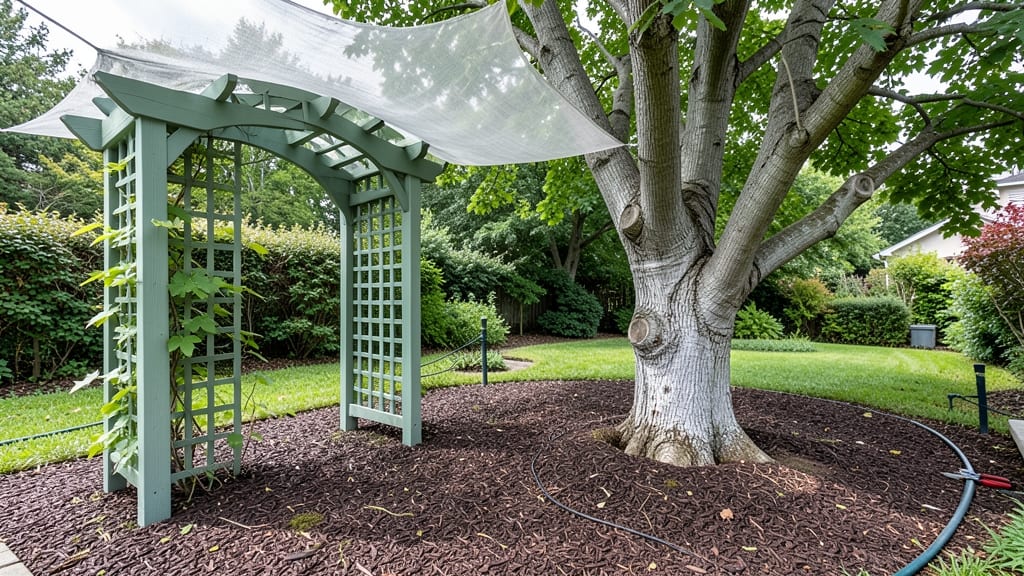
Your garden needs shade—how to create shade in the garden with cooling breezes, dappled sunlight, and that perfect retreat from harsh afternoon rays. 🌿 I’ve transformed my once-brutal summer patio into a layered shade oasis using a mix of fast-growing vines, strategic tree placement, and a few well-placed structures.
The key isn’t just blocking sun; it’s creating depth, texture, and year-round beauty while keeping your space functional. Start with fast shade—climbing plants like clematis or wisteria on trellises can cover a fence in a single season.
Pair them with medium-height shrubs (like hydrangeas) for dappled light, and top it off with mature trees (oak or maple) for long-term shade. Artificial options like shade sails or pergolas let you customize coverage without permanent changes, and they’re perfect for renters or small spaces. The best part?
You control how much sun filters through—just enough to keep your garden alive but your skin cool. By the end, you’ll have a multi-layered shade system that works for both summer siestas and winter sunbathing.
Think lush greenery filtering light, a breeze that feels like a whisper, and a space that’s usable all year—no more scorched plants or sweaty afternoons. The setup adapts to your climate: Mediterranean? Go for pergolas with retractable shade. Humid? Opt for airy vines that improve airflow.
Here’s how to make it happen without sacrificing your garden’s soul. Here’s the secret: shade doesn’t have to mean sacrifice. You can still grow sun-loving plants—just tuck them where light peeks through. My tomatoes thrive under a partial shade sail, while my hostas flourish beneath a Japanese maple.
The trick is placement: position taller structures north or west of sun-sensitive plants, and use reflective surfaces (like light-colored gravel) to bounce extra light where it’s needed.
Even in small yards, a mix of vertical and horizontal shade layers creates the illusion of depth—making your space feel larger and more intentional.
📚 In This Guide
- What you need
- Instructions
- Tips and common mistakes
- Wrapping up and next steps
What you need
- ● Shade cloth or fabric: Choose UV-resistant, breathable options (e.g., 50-80% shade cloth for filtered light). Size: Match your garden’s dimensions (e.g., 10x12 ft for a small patio).
- ● Support structures: PVC pipes or metal poles (1.5–2" diameter, 6–8 ft tall).
- ● T-posts (for heavy fabrics or windy areas).
- ● Freestanding frames (pre-made or DIY with wood/aluminum).
- ● Fasteners: Heavy-duty clips, bungee cords, or zip ties (galvanized for durability).
- ● Measuring tape & level: For precise cuts and even installation.
- ● Scissors or utility knife: For trimming shade cloth to size.
- ● Staple gun & landscape staples: To secure fabric to wood/frames.
- ● Retractable awnings: Adjustable shade for patios or decks.
- ● Lattice panels or trellises: For climbing plants (e.g., wisteria, clematis) to add natural shade over time.
- ● Outdoor-rated paint or stain: To customize wood/frames (e.g., weather-resistant beige or green).
- ● Solar-powered lights: String lights or path lights to enhance ambiance.
- ● Windbreaks: Bamboo screens or woven mats for extra privacy.
- ● Ground covers: Mulch or gravel to reduce heat under shade structures.
Tips & tricks for perfect garden shade design
Creating the ideal shade garden takes thoughtful planning—here’s how to elevate your sun-dappled retreat beyond the basics.
Sunlight Mapping Secret: Use a simple app like Sun Surveyor to track sun paths for a week before planting. I’ve found that even small adjustments—like moving a tree just 2 feet—can transform a harsh sunspot into a perfect dappled-light oasis. Mark your observations on a garden sketch with colored pencils (yellow for full sun, green for partial, blue for full shade) to visualize the perfect layout. This step prevents costly mistakes down the road.
Layering Like a Pro: When planting in tiers (Step 3), space your tall trees 15-20 feet apart instead of the minimum 8-12 feet—this prevents future overcrowding and allows light to filter beautifully through the canopy. I’ve seen gardens where trees were planted too close, resulting in dense, uninviting shade that blocked all light. Pro tip: Start with understory plants like hostas or ferns directly under your trees—their shade tolerance makes them perfect for utilizing that filtered light.
Seasonal Shade Strategy: For areas that need temporary shade, consider retractable shade sails or seasonal shade cloths rated for UV protection. These let you adjust coverage based on the season—full coverage in summer, partial in spring/fall. I’ve used them on patios to create that perfect balance between sun and shade without committing to permanent structures. Just remember to remove them in winter to let sunlight nourish your plants.
Pruning Precision: In Step 4, when pruning trees, focus on removing branches that grow toward the center of the canopy—they’ll never get enough sunlight to thrive. I always prune in late winter when trees are dormant, and I use sharp loppers to make clean cuts just outside the branch collar. This technique encourages healthier growth and maintains that beautiful dappled-light effect you’re aiming for.
Pro Tips for Create Shade In Garden
- Creating the ideal shade garden takes thoughtful planning—here’s how to elevate your sun-dappled retreat beyond the basics.
- Sunlight Mapping Secret: Use a simple app like Sun Surveyor to track sun paths for a week before planting.
- Layering Like a Pro: When planting in tiers (Step 3), space your tall trees 15-20 feet apart instead of the minimum 8-12 feet—this prevents future overcrowding and allows light to filter beautifully through the canopy.
Frequently asked questions
Got questions about crafting the perfect shaded garden oasis? You’re not alone! Here are answers to the most common queries—so you can relax knowing your garden will be both functional and fabulous.
What’s the best time of year to install shade structures?
For permanent structures like pergolas or shade sails, aim for spring or early fall—mild weather makes installation easier and gives plants time to adapt. If you’re planting shade trees, late fall or early spring (before buds swell) is ideal to avoid transplant shock. For temporary solutions like umbrellas or tarps, anytime works!
Can I create shade without blocking all sunlight?
Opt for dappled shade with semi-transparent shade cloth (30-50% coverage) or lattice panels that filter light. Fast-growing trees like Japanese maples or ornamental cherries also provide filtered shade. Even a partial pergola with climbing vines (e.g., clematis or wisteria) lets sunlight peek through while cooling the air.
How do I fix uneven shade patches in my garden?
Uneven shade? Start by mapping your sun exposure with a sun tracker app or by observing shadows at different times of day. For quick fixes, adjust existing structures (e.g., tilt a shade sail or trim overgrown branches). For long-term solutions, strategically place reflective surfaces (like light-colored gravel or mirrors) to bounce light into darker spots.
Are shade-loving plants necessary, or can I grow anything?
Not at all! While shade-loving plants (hostas, ferns, impatiens) thrive in low light, many sun-lovers (tomatoes, peppers, lavender) can adapt with partial shade (3-6 hours of sun). Just monitor soil moisture—shady areas stay damp longer, so amend soil with compost to improve drainage. Rotate pots or use self-watering containers for flexibility.
What’s the most budget-friendly way to add shade?
Skip expensive structures and try these low-cost hacks:
Wrapping up and next steps
Creating shade in your garden isn’t just about blocking the sun—it’s about crafting a cozy, functional, and visually stunning space that works for you.
Whether you opt for natural solutions like trees and pergolas or structured options such as shade sails and lattice panels, the key is balancing privacy with dappled sunlight for that perfect "goldilocks" effect. 🌿✨
Now that you’re armed with ideas and insights, roll up your sleeves and get started! Begin by sketching a simple layout—even a rough draft will help you visualize the flow. Then, pick one project (like installing a trellis or planting fast-growing shrubs) and tackle it step by step.
Your future shaded oasis is just a few tools and a little patience away!