
Picking
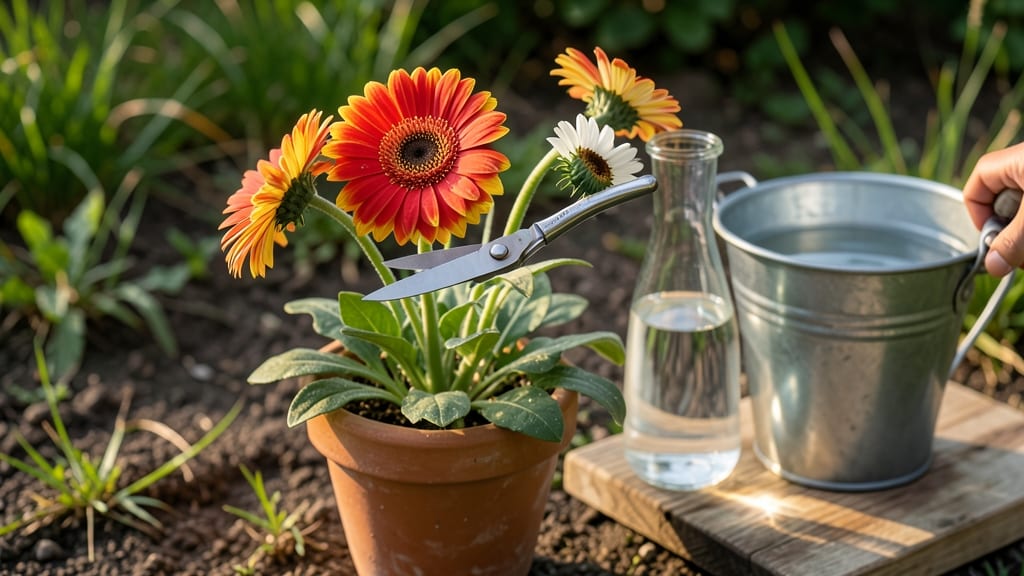
Your daisies deserve a second life in a vase—and it starts with a clean cut. ✂️ The right technique keeps blooms fresh for 10-14 days while encouraging your plants to rebound with even more flowers. I’ve learned the hard way that sloppy cuts waste both beauty and potential.
The secret lies in timing, tools, and technique. Harvest in the cool morning hours when stems are hydrated, use sharp pruners or shears, and always cut at a 45-degree angle just above a leaf node.
This simple angle trick prevents air bubbles that would otherwise block water uptake, giving your bouquet the longest vase life possible. What you’ll end up with is stems that stay crisp, petals that hold their color, and plants that respond by sending out fresh buds within 2-3 weeks.
The garden stays lush, the vase stays vibrant, and you avoid the sad droop of improperly cut flowers. This method works for all daisy varieties—gerbera, oxeye, or shasta—whether you’re cutting for a single stem or a full bouquet. Let’s make those blooms last!
📚 In This Guide
- What you need
- Instructions
- Tips and common mistakes
- Wrapping up and next steps
What you need
- ● Fresh daisies: 10–20 stems (depending on vase size—more for fuller arrangements, fewer for minimalist looks). Choose fully bloomed or bud-stage flowers for longevity.
- ● Clean, sharp pruners or floral shears: A must-have for clean cuts. Avoid scissors—they crush stems and shorten vase life.
- ● Bucket of water: Fill with 1–2 inches of room-temperature water to hydrate stems before cutting.
- ● Vase or container: Any size works—glass, ceramic, or even a mason jar. Ensure it’s at least 2–3 inches deep to hold water and stems securely.
- ● Floral preservative: A packet (like Floralife) extends bloom life by 3–5 days. Mix 1 packet per gallon of water.
- ● Tweezers or floral tape: For delicate stems or securing clusters in the vase.
- ● Scissors (backup): If you don’t have pruners, a clean pair of kitchen shears works in a pinch.
- ● Newspaper or towel: To protect surfaces and catch water drips while prepping.
Step-by-Step instructions for cutting daisies for a vase
Here's how to harvest daisies so they last longer in your vase—sharp angles and clean cuts make all the difference.
✂️ Step 1: Choose the Right Time and Flowers
Pick daisies in the early morning when buds are still closed but beginning to open. This ensures they're fully hydrated and won't wilt prematurely. Look for stems that are firm and upright—avoid any with yellowing leaves or brown spots, as these signal disease or stress.
Select flowers with buds just starting to unfurl. Fully open blooms will last only a day or two, while buds will continue opening in the vase for 5-7 days of fresh beauty. I always cut a mix of open and nearly-open flowers for a gradual, eye-catching display.
✂️ Step 2: Use the Right Tools for Clean Cuts
Never use scissors or dull blades—they crush stems and block water uptake. Instead, use sharp, clean pruning shears or a dedicated floral knife. A clean cut prevents the stem from sealing itself off and reduces bacterial growth in the water.
Wipe your tools with rubbing alcohol before cutting to sterilize them. This prevents introducing bacteria or fungi that can shorten your bouquet's life. I like to make a quick swipe with a disinfectant wipe right before harvesting—it takes seconds and makes a huge difference.
🌿 Step 3: Cut Stems at the Correct Angle
Make your cut at a 45-degree angle, about 2-3 inches below the flower head. This angled cut increases the surface area for water absorption, which is critical for long vase life. If you cut straight across, the stem can't draw up enough water to keep the flower hydrated.
Here's the trick: hold the stem at the desired angle and make a single, smooth cut. Don't saw back and forth—this crushes the stem fibers. You'll see a clean, even slice that looks like a diagonal slice of pie. This ensures maximum water uptake from the first moment the stems hit the vase.
💧 Step 4: Prepare Stems for Maximum Hydration
Once cut, immediately place stems in a bucket of lukewarm water for 30 minutes to rehydrate. This step is crucial—it helps the stems absorb water before they go into the vase, giving them a strong start. I use a clean bucket filled with enough water to submerge the stems by about 2 inches.
While stems soak, remove any lower leaves that will sit below the waterline in the vase. These leaves rot quickly and create bacteria that shorten the bouquet's life. Strip them off gently with your fingers or trim them with clean scissors. You'll know you've done it right when the stems are clean and ready for their vase home.
☀️ Step 5: Arrange and Care for Long-Lasting Blooms
Fill your vase with lukewarm water (never cold) and add a floral preservative if available. Change the water every 2-3 days and trim stems by ½ inch each time to encourage fresh water uptake. Keep the arrangement away from direct sunlight and drafts, which cause rapid wilting.
Watch for signs of dehydration—drooping petals or buds that fail to open. If you notice this, recut the stems at a fresh 45-degree angle and place them back in fresh water. With proper care, your daisy bouquet should stay vibrant for 7-10 days, giving you plenty of time to enjoy their cheerful beauty.
Tips & tricks for perfect daisy arrangements
These simple tricks will transform your daisy bouquets from wilted in a day to vibrant for nearly two weeks.
Timing is Everything: The early morning harvest in Step 1 isn't just about hydration—it's about capturing the plant's natural moisture peak. I've found that daisies picked after 10 AM often wilt faster, even with perfect cutting techniques. If you must pick later in the day, harvest in the evening instead of midday to give the flowers a chance to recover overnight.
Tool Selection Matters: In Step 2, don't underestimate the power of a dedicated floral knife. I've tried everything from kitchen scissors to garden shears, but nothing gives as clean a cut as a sharp floral knife. The blade's design actually helps guide the cut at that perfect 45-degree angle. If you don't have one, a clean chef's knife works in a pinch—just be extra careful to maintain that angle.
Hydration Hack: The 30-minute soak in Step 4 is non-negotiable, but here's what I do differently: I add a few drops of lemon juice to the water during this soak. The acidity helps prevent bacterial growth and keeps the stems fresh longer. You can also use a commercial floral preservative if you have one on hand—it contains sugars that feed the flowers and extend their life.
Angle Verification: When making that critical 45-degree cut in Step 3, I use a simple trick to verify the angle: hold the stem against a ruler or measuring tape. The cut should create a triangle where the base (along the stem) measures about 2 inches and the height (the angled part) measures about 1.4 inches. This visual confirmation ensures you're getting that perfect diagonal slice every time.
Pro Tips for Cut Daisies For A Vase
- These simple tricks will transform your daisy bouquets from wilted in a day to vibrant for nearly two weeks.
- Timing is Everything: The early morning harvest in Step 1 isn't just about hydration—it's about capturing the plant's...
- Tool Selection Matters: In Step 2, don't underestimate the power of a dedicated floral knife. I've tried everything f...
Frequently asked questions
Got questions about cutting daisies for your vase? You’re not alone! Here are some of the most common queries—plus quick, expert answers to keep your bouquet fresh and fabulous.
What’s the best angle to cut daisy stems for the longest vase life?
Cut stems at a 45-degree angle about 2 inches from the base. This increases water absorption and reduces air bubbles that can block the stem. Use sharp, clean scissors or pruners to avoid crushing the stem—crushed stems equal shorter vase life!
When is the best time of day to pick daisies for cutting?
Early morning is ideal! Daisies are fully hydrated after a night’s rain or dew, making them sturdier and longer-lasting. Avoid picking in the heat of the day—the stems can wilt faster and may not stay fresh as long in your vase.
How often should I change the water in my daisy arrangement?
Change the water every 2–3 days to prevent bacterial growth. Add a flower food packet (or a pinch of bleach + sugar) to the water to extend freshness. Trim stems by ½ inch every time you refresh the water to encourage new uptake.
Can I cut daisies from my garden and still have them bloom again?
Yes! If you cut daisies early in the season (when they’re young), they’ll often regrow from the base. Avoid cutting more than ⅓ of the plant at once, and leave some foliage to support regrowth. Over-cutting can stress the plant and reduce future blooms.
What should I do if my daisies wilt quickly after cutting?
Wilting can happen due to air bubbles, bacteria, or poor hydration. Try these fixes:
- Recut stems under water to remove blockages.
- Soak stems in cool water for 1–2 hours before arranging.
- Use lukewarm water (not hot) to prevent shock.
- Add a drop of bleach (1 capful per gallon) to kill bacteria.
Wrapping up and next steps
Cutting daisies for your vase doesn’t have to be a guess—now you’ve got the sharp angle secrets to keep those blooms fresh and radiant for days! 🌸 Whether you’re trimming stems at a 45-degree angle or giving them a quick refresh, every little detail makes a difference.
With the right tools, timing, and techniques, you’re well on your way to creating stunning centerpieces that steal the show.
Ready to elevate your floral game? Next, try experimenting with different vase sizes or pairing daisies with complementary flowers—like eucalyptus or roses—to design a showstopping arrangement. Happy cutting! ✂️✨