
Flowers
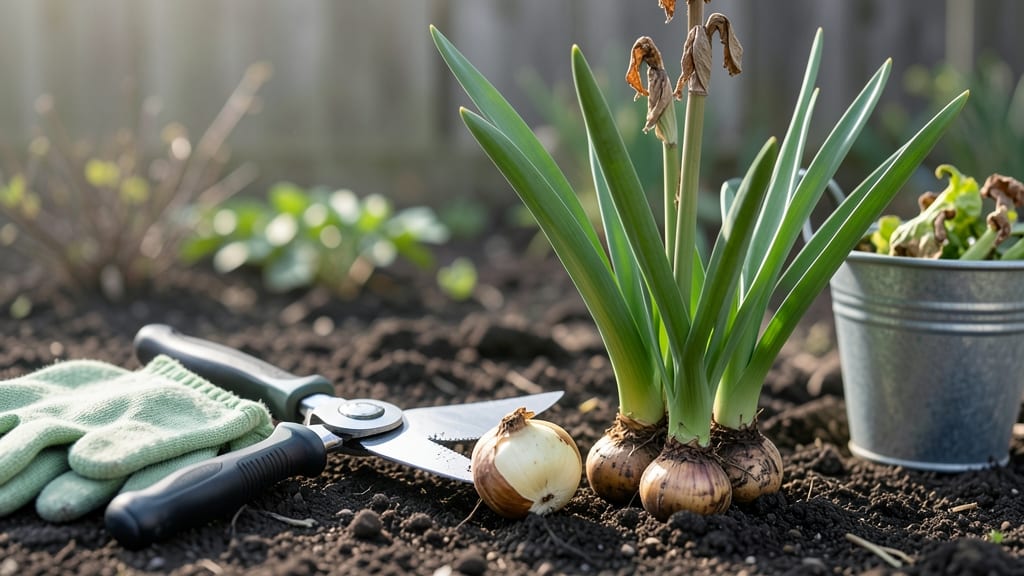
Cutting hyacinths at the right time transforms last season's blooms into next year's showstoppers. ✨ The moment those fragrant flowers fade, snip them back with precision—but don't stop there. The real secret lies in what you do with the foliage after the blooms are gone.
You'll need sharp pruners (clean blades prevent disease) and a compost bin or drying area. Timing matters most: wait until the flower stems turn brown and crispy, but leave the foliage alone for at least 6 weeks after blooming. This gives the bulb time to store energy for next season.
When you finally cut the yellowed leaves, you'll be left with healthy bulbs ready to multiply. The dried flower heads make charming potpourri or dried arrangements, while the composted foliage returns nutrients to your garden. It's the perfect cycle of give and take.
This method works for both potted and in-ground hyacinths, and it's especially valuable in colder climates where bulbs need all the energy they can store. Your future blooms will thank you for the care you take now.
📚 In This Guide
- What you need
- Instructions
- Tips and common mistakes
- Wrapping up and next steps
What you need
- ● Sharp pruning shears or floral scissors – Look for high-quality, stainless-steel blades (e.g., Felco or Fiskars) to make clean cuts without crushing stems.
- ● Clean, sharp knife or bulb cutter – For trimming stems at the base (e.g., a serrated utility knife or a dedicated bulb cutter).
- ● Rubbing alcohol (70% isopropyl) or bleach solution – 1 part bleach to 9 parts water for sterilizing tools (1 cup per batch).
- ● Glass vase or floral arrangement container – Choose one with a narrow neck (e.g., 6–8 inches wide) to support the hyacinth’s weight and hold water.
- ● Fresh, cut hyacinth bulbs – Select firm, plump bulbs with tight papery skins (avoid soft or moldy ones).
- ○ Floral preservative (optional but recommended) – Commercial mixes like Floralife or a homemade blend (1 tsp sugar + 1 tsp bleach + 1 quart water).
- ● Peat moss or sand (for bulb storage, if needed) – For reviving bulbs after cutting (1 part peat to 1 part sand).
- ● Floral foam or hydrating gel – For securing stems in arrangements without direct water contact.
- ● Decorative pebbles or gravel – To weigh down stems and add aesthetic appeal to the vase.
- ● Hair dryer (cool setting) – To speed-dry cut ends before placing in water.
- ● Newspaper or paper towels – For drying and protecting surfaces during prep.
Step-by-Step instructions for cutting hyacinth blooms
Here's how I cut hyacinths for maximum vase life—keeping stems fresh and blooms pristine.
✂️ Step 1: Choose the Right Time and Tools
Cut hyacinths when 2-3 buds have opened but most remain closed. This ensures the longest vase life. Grab your sharp floral shears or a clean knife—dull blades crush stems and shorten their lifespan. I always disinfect my tools with rubbing alcohol first to prevent bacterial growth.
Make your cut at a 45-degree angle about 1-2 inches below the base. This angled cut creates a larger surface area for water absorption, which keeps stems hydrated longer. Avoid cutting too close to the bulb—you want to leave enough stem length for support in the vase.
💧 Step 2: Prepare Stems for Maximum Freshness
Strip the lower leaves off the stems, leaving only the top 2-3 inches of foliage. These leaves will help the blooms draw up water, but excess foliage can rot in standing water. Hold the stem firmly and slide your fingers upward to remove leaves cleanly without tearing.
Place the cut stems immediately in a bucket of lukewarm water for 30 minutes. This rehydration step revives any wilted blooms and prepares the stems for long-lasting freshness. Avoid cold water—it can shock the stems and shorten their vase life.
☀️ Step 3: Arrange in a Clean Vase with Proper Support
Fill your vase with room-temperature water and add a floral preservative (like a pinch of sugar and a splash of bleach) to keep the water fresh. Trim the stems again under water to prevent air bubbles from blocking the xylem. I like to use a narrow-necked vase for hyacinths—their weight helps keep stems submerged.
Arrange the blooms loosely, allowing room for stems to spread naturally. Overcrowding causes stems to compete for water and shortens their lifespan. Place the vase in a spot with indirect light—direct sun can cause petals to fade faster. You’ll know your arrangement is perfect when the blooms open gradually over 7-10 days.
🌿 Step 4: Maintain Blooms for Long-Lasting Beauty
Change the water every 2-3 days and trim stems by ½ inch each time to encourage fresh water uptake. Remove any wilted blooms immediately—they leach nutrients from the arrangement and speed up decay. I also like to add a fresh drop of bleach to the water weekly to prevent bacterial growth.
Keep the vase away from drafts, heating vents, or direct sunlight. Hyacinths thrive in cool rooms (65-70°F). If you notice buds opening unevenly, gently adjust their position in the vase to encourage balanced blooming. With proper care, your hyacinths will stay vibrant for up to 2 weeks—far longer than most cut flowers.
Tips & tricks for perfect hyacinth blooms
Here's what I learned the hard way after ruining three batches of hyacinths—these tricks make all the difference for flawless stems and show-stopping blooms.
Cutting Precision: The 45-degree angle cut in Step 1 is non-negotiable, but here's the secret: make your cut just below a leaf node (where leaves attach to the stem). This hidden growth point helps the stem draw up water more efficiently, keeping blooms fresher longer. I mark the cut line with a pencil first to avoid uneven slices.
Rehydration Hack: That 30-minute lukewarm water soak in Step 2 works wonders, but here's the upgrade: add a pinch of flower food powder to the water during this step. It jump-starts the stems' hydration process and gives you an extra day of vase life. I use a tiny spoonful—just enough to make the water slightly cloudy.
Vase Selection Strategy: For Step 3, narrow-necked vases aren't just for show—they help maintain water levels better. If you're using a wide-mouthed vase, place a small glass or marble inside to weigh down the stems and keep them submerged. This prevents the dreaded "bent neck" look that ruins arrangements.
Temperature Troubleshooting: Hyacinths thrive at 65-70°F, but if your home runs warmer (especially near heating vents), move the vase to a cooler spot immediately. I've seen blooms last twice as long when kept in a basement or cool closet during hot days. The cooler the environment, the slower the blooms open—which means they last longer!
Pro Tips for Cut Hyacinth
- Here's what I learned the hard way after ruining three batches of hyacinths—these tricks make all the difference for flawless stems and show-stopping blooms.
- Cutting Precision: The 45-degree angle cut in Step 1 is non-negotiable, but here's the secret: make your cut just below a leaf node (where leaves attach to the stem).
- Rehydration Hack: That 30-minute lukewarm water soak in Step 2 works wonders, but here's the upgrade: add a pinch of flower food powder to the water during this step.
Frequently asked questions
Got questions about cutting hyacinth bulbs or caring for them after the deed? You’re not alone! Here are some of the most common queries—plus straightforward answers to keep your garden (and your hands) happy.
When is the best time to cut hyacinth bulbs?
Cut hyacinth bulbs after they’ve finished blooming but before the foliage turns yellow. This usually happens 4–6 weeks after flowering. Waiting too long weakens the bulb for next year’s blooms!
How do I cut hyacinth stems without damaging the bulb?
Use clean, sharp pruners to snip stems 1–2 inches above the bulb (or soil line). Avoid tugging or twisting—the bulb’s roots are delicate! For forced hyacinths (indoor blooms), cut stems at a 45° angle to maximize water absorption.
Should I cut the leaves after the flowers fade?
Yes! Leave the leaves intact until they naturally yellow and wilt (about 6–8 weeks post-bloom). This lets the bulb store energy for next season. Only then can you trim them back to 2 inches tall.
Can I reuse hyacinth bulbs after cutting them?
With proper care, hyacinth bulbs often rebloom for 3–5 years. Plant them in well-draining soil, water moderately, and fertilize lightly in spring. Just avoid overwatering—they hate soggy roots!
What if my hyacinth bulb doesn’t bloom after cutting?
No blooms? Check these fixes:
- Light: Hyacinths need full sun (6+ hours/day).
- Soil: Amend heavy clay with compost for better drainage.
- Patience: Bulbs may take 1–2 years to rebound after forced blooming.
Wrapping up and next steps
Cutting hyacinth bulbs may seem tricky, but with the right tools, patience, and care, you’ll master the art in no time! 🌸 Remember, timing, clean cuts, and proper storage are key to keeping your bulbs healthy and blooming beautifully for seasons to come.
Now that you’re armed with knowledge, give it a try—your garden (or next bouquet!) will thank you. Ready for more? Explore how to repot or divide your bulbs to keep them thriving year after year!