
Tools
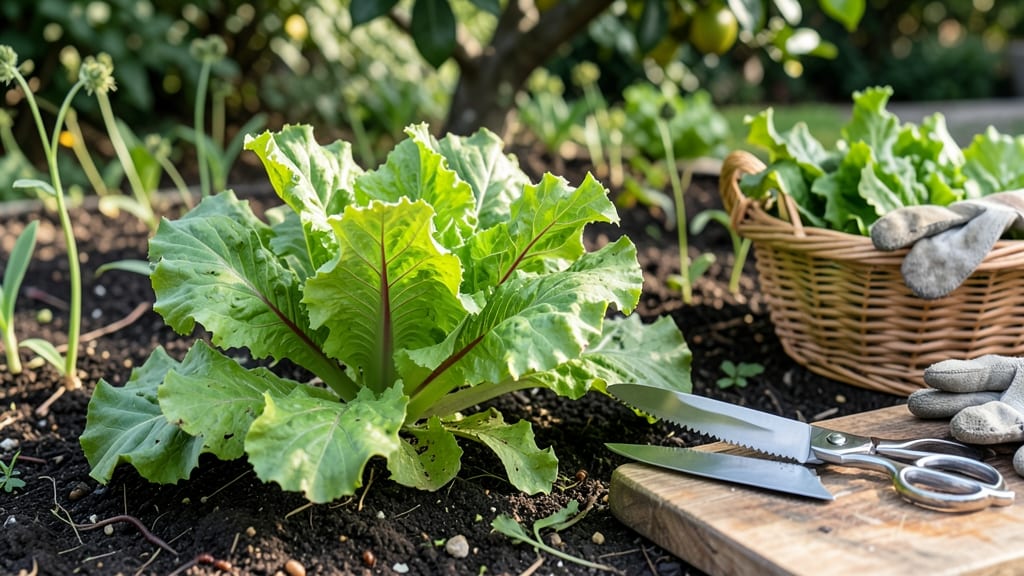
How to cut leaf lettuce from the garden wrong means wilted greens in your salad bowl. ✂️ The secret to crisp harvests lies in sharp tools, clean cuts, and timing—mistakes here turn tender leaves to bitter, bolting messes. I’ve learned the hard way that a dull knife crushes stems, inviting disease while stunting regrowth.
You’ll need clean, sharp scissors or pruning shears (never dull tools) and a sunny morning when leaves are dry. Cut just above the lowest set of leaves, leaving the bottom 2–3 inches intact—this hidden base holds the magic for regrowth. Avoid pulling leaves; that tears roots and stresses the plant.
Done right, you’ll harvest 3–4 times from one plant, with each cut yielding crisp, fresh greens perfect for salads. The first harvest takes about 4–6 weeks, but proper trimming keeps your lettuce producing for months, even in heat. Just avoid cutting into the center stem—it’s the plant’s lifeline.
For hot climates, harvest early or late to avoid bolting. Mulch to keep roots cool, and water consistently—stressed plants taste bitter. My favorite trick? Use a small bowl to catch leaves, so you’re not bending over all day. Now go harvest like a pro!
📚 In This Guide
- What you need
- Instructions
- Tips and common mistakes
- Wrapping up and next steps
What you need
- ● Sharp kitchen shears or pruning scissors: A pair with 4- to 6-inch blades (e.g., Felco F-2 or similar) for clean cuts. Must be sanitized before use!
- ● Clean cutting board or tray: A large, flat surface (12" x 18" or bigger) to lay out lettuce. Use food-safe plastic or wood.
- ● Glass or stainless steel bowl: A wide, shallow container (8" diameter minimum) to hold harvested leaves.
- ● Spray bottle with water: A 16-ounce misting bottle to keep leaves hydrated during trimming.
- ● Kitchen towel or paper towels: For drying hands and wiping blades between cuts.
- ● Gloves: Lightweight gardening gloves to protect hands from dirt or prickly stems.
- ● Food-safe sanitizer (e.g., diluted bleach or vinegar): To disinfect tools if harvesting from multiple plants.
- ● Small knife (paring or chef’s knife): For trimming stubborn stems or larger batches.
- ● Plastic wrap or breathable bag: To store trimmed lettuce in the fridge for 5–7 days.
Step-by-Step instructions for harvesting leaf lettuce
Here’s how to trim your leaf lettuce with precision—keeping plants productive and leaves crisp.
🌿 Step 1: Wait Until Lettuce Reaches Harvest Size
Harvest when outer leaves are at least 3–4 inches long—this ensures tender, flavorful cuts while letting the center keep growing. I always check the largest leaves first; if they’re still small, wait another 3–5 days. Avoid harvesting when soil is waterlogged or after heavy rain, as leaves absorb excess moisture and may wilt faster.
Look for bright green, firm leaves—yellowing or limp leaves signal overmaturity or stress. If your lettuce bolts (sends up a tall flower stalk), harvest immediately to salvage remaining leaves before bitterness sets in.
✂️ Step 2: Use the Right Tools and Technique
Grab a sharp pair of kitchen scissors or pruning shears—dull blades crush stems and invite rot. Hold the tool at a 45-degree angle and cut just above a leaf node (the small bump where leaves attach). This encourages new growth from that spot.
Never pull leaves by hand—it risks tearing the plant. For large batches, I snip every other outer leaf first, leaving the center intact. This balances harvest with regrowth, giving you 4–6 weeks of continuous cuts per plant.
💧 Step 3: Water and Fertilize After Harvesting
Give the plant a light drink right after cutting—this replenishes moisture lost during trimming. I use a gentle spray to avoid disturbing the soil, as heavy watering can dislodge roots. Wait until the top inch of soil feels dry before watering again to prevent soggy roots.
Feed with a balanced liquid fertilizer (like 10-10-10) diluted to half strength. Lettuce is light on nutrients, but a post-harvest boost keeps leaves tender. Avoid high-nitrogen fertilizers—they promote leafy growth at the expense of flavor.
☀️ Step 4: Monitor for Regrowth and Repeat
Within 5–7 days, new leaves will emerge from the cut nodes. Watch for compact, bushy regrowth—this means your trimming worked. If growth is sparse, check for shade (lettuce needs 4–6 hours of sun daily) or crowding (thin plants to 6–8 inches apart if needed).
Repeat the harvest process every 7–10 days, always cutting from the outer edges inward. This method keeps your lettuce productive for months, even in heat, as long as you provide afternoon shade during summer.
⏰ Step 5: Store Harvested Leaves Properly
Rinse leaves in cool water and pat dry with a clean towel—dampness speeds spoilage. Store in a sealed container lined with a paper towel to absorb moisture. I keep harvested lettuce in the crisper drawer of my fridge and use it within 5–7 days for peak freshness.
For longer storage, wrap leaves in damp paper towels and place in a ziplock bag with small holes for airflow. This mimics the humidity lettuce loves but prevents mold. Avoid washing until ready to eat—excess moisture shortens shelf life.
Tips & tricks for perfect leaf lettuce harvesting
Small adjustments make a big difference in keeping your leaf lettuce productive and delicious.
Timing is Everything: The 3-4 inch size guideline in Step 1 isn't arbitrary—it's when leaves reach peak tenderness. I've learned the hard way that harvesting too early gives you small, bitter leaves, while waiting too long makes them tough. Check the largest leaves first; they'll tell you when the whole plant is ready. For summer heat, harvest in the early morning when leaves are crispest and most flavorful.
Tool Technique: That 45-degree angle in Step 2 isn't just about looks—it's about regrowth. Cutting just above the leaf node (the tiny bump) stimulates new growth from that exact spot. I keep a pair of sharp pruning shears dedicated just to lettuce harvesting. Dull blades crush stems, which can lead to rot and stunted growth. For large plants, I start with every other leaf to give the center time to recover between harvests.
Regrowth Secrets: The 5-7 day window in Step 4 for new growth can vary dramatically based on conditions. In my experience, lettuce grown in partial shade with consistent moisture will show new leaves in just 4 days, while plants in hot, dry conditions might take 10. Watch for the telltale "bushy" regrowth rather than relying solely on the clock. If growth is slow, check your spacing—lettuce needs about 6 inches between plants to thrive.
Storage Wisdom: The damp paper towel trick in Step 5 works wonders for extending freshness. I've found that adding a few ice cubes to the sealed container before storing can buy you an extra 2-3 days of crispness. For maximum freshness, store leaves upright in a jar with just the stems submerged in cool water—this mimics how they grow and keeps them crunchy for up to 2 weeks.
Pro Tips for Cut Leaf Lettuce From Garden
- Small adjustments make a big difference in keeping your leaf lettuce productive and delicious.
- Timing is Everything: The 3-4 inch size guideline in Step 1 isn't arbitrary—it's when leaves reach peak tenderness.
- Tool Technique: That 45-degree angle in Step 2 isn't just about looks—it's about regrowth.
Frequently asked questions
Got questions about harvesting your leaf lettuce like a pro? Here are some of the most common ones—plus quick, practical answers to keep your garden thriving and your salads crisp!
When is the best time to harvest leaf lettuce?
Harvest leaf lettuce in the early morning when temperatures are cool (ideally between 60–75°F). This ensures the leaves are crisp and hydrated. Avoid harvesting after a heavy rain or during peak heat—leaves can become bitter or wilted. For baby leaves, you can start picking as soon as they’re 2–3 inches tall!
Do I cut the whole plant, or just the outer leaves?
For cut-and-come-again harvesting, trim the outer leaves first, leaving the inner core intact. This encourages regrowth! If you’re ready for the full harvest, cut the entire plant about 1–2 inches above the soil to allow new growth. Avoid pulling leaves—this can damage the plant.
Why are my lettuce leaves turning bitter after cutting?
Bitter taste often happens when lettuce is stressed by heat, drought, or overmaturity. To prevent this, harvest regularly and keep plants well-watered. If your garden is hot, use shade cloth or harvest in the evening. For baby leaves, pick them young and tender—bitterness develops as they mature.
Can I regrow lettuce after cutting it?
Leaf lettuce is one of the easiest crops to regrow after harvesting. Simply trim the plant just above the soil line, water it well, and place it back in partial shade. New leaves will sprout in 1–2 weeks. Repeat this process 2–3 times per season for a continuous harvest!
What’s the best tool for cutting leaf lettuce?
A sharp pair of garden shears or scissors is ideal for clean cuts without crushing leaves. Avoid dull knives—they can tear the lettuce, making it more prone to disease. For large harvests, a harvest knife or serrated knife works well. Always sterilize your tools with rubbing alcohol to prevent bacterial spread.
Wrapping up and next steps
Harvesting leaf lettuce with precision ensures crisp, flavorful greens straight from your garden to your plate! 🌱 Whether you’re a beginner or a seasoned gardener, mastering the right techniques—like using sharp shears, avoiding the base, and timing your cuts—will make all the difference.
Your efforts will reward you with vibrant, fresh lettuce ready for salads, sandwiches, or creative recipes.
Now that you’re equipped with the know-how, take that first confident snip and enjoy the satisfaction of a homegrown harvest. Pro tip: Try experimenting with different cutting styles to discover what works best for your garden’s needs—and don’t forget to share your success with fellow green thumbs! 🌿