
Planting
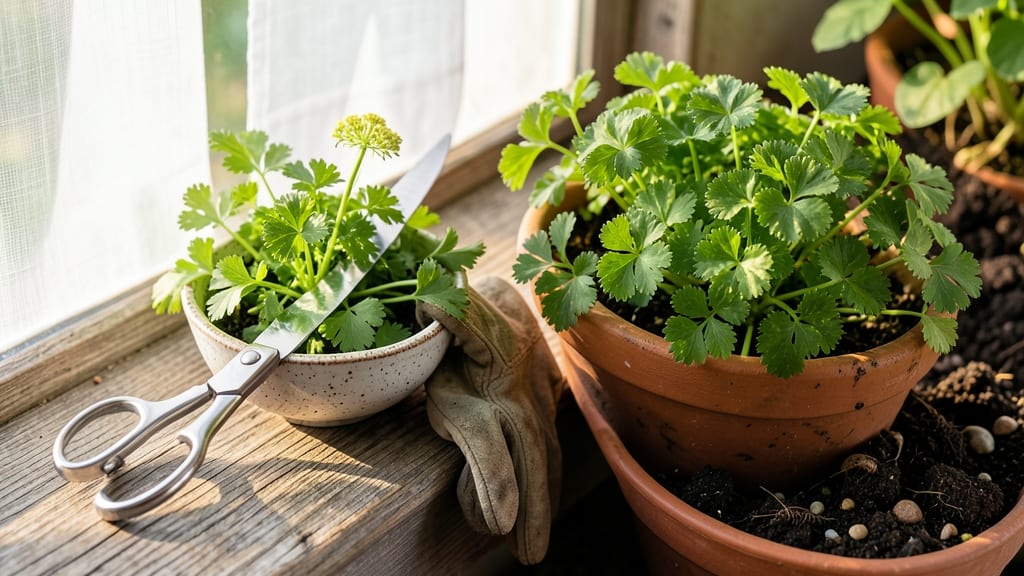
How to cut parsley off the plant keeps growing back—if you cut it right. ✂️ I’ve harvested more parsley than I’ve ever bought from the store, and the secret lies in precise stem cuts that encourage thick, bushy regrowth instead of leggy stems. The wrong snip kills the plant; the right one turns it into a perpetual herb factory.
You only need clean pruning shears and a sunny morning. Cut stems at the base where they meet the soil, leaving a ¼-inch stub—this prevents rot while letting new shoots emerge from the crown.
Avoid chopping more than ⅓ of the plant at once, or you’ll stress it into early bolting.
After a few weeks, you’ll see bright green shoots pushing through, and the plant will look fuller than before. The best part? This method keeps parsley productive for years, even in small pots.
Just avoid cutting during extreme heat or cold, when the plant’s energy is focused on survival, not regrowth.
Over-cutting in summer is my biggest mistake—once, I nearly lost a plant by shearing it too aggressively. Now I harvest every 3-4 weeks in spring and fall, and my parsley stays lush, fragrant, and ready for the kitchen. The roots stay healthy, and the flavor? Nothing beats homegrown.
📚 In This Guide
- What you need
- Instructions
- Tips and common mistakes
- Wrapping up and next steps
What you need
- ● Sharp pruning shears or scissors – Choose bypass pruners (not anvil-type) to avoid crushing stems. A pair with 4- to 6-inch blades works best for precision.
- ● Clean, sharp kitchen knife or garden knife – A serrated or stainless-steel blade (3-4 inches long) for close trims. Sanitize with rubbing alcohol before use!
- ○ Gloves (optional but recommended) – Lightweight gardening gloves protect hands from parsley’s prickly stems and soil.
- ● Bucket or bowl (1-2 gallons) – A wide-mouth container with water to submerge freshly cut stems (keeps them fresh for 5-7 days!).
- ● Spray bottle with water – A 16-ounce misting bottle to hydrate the plant post-harvest (reduces shock).
- ● Plastic bag or breathable cloth – For storing harvested parsley in the fridge (place a paper towel inside to absorb moisture).
- ● Disinfectant spray (e.g., hydrogen peroxide 3%) – Spray tools before/after use to prevent bacterial/fungal spread.
- ● Labeling tags or marker – If harvesting multiple herbs, label your parsley to avoid mix-ups!
- ● Small hand trowel – For loosening soil around roots if the plant feels root-bound after frequent harvesting.
- ● Food processor or mortar & pestle – For chopping parsley post-harvest (if you’re prepping it immediately).
Tips & tricks for perfect parsley harvesting
Here's what I've learned after keeping parsley thriving for years—these little details make all the difference.
Timing Secret: In Step 3, when you're harvesting every 2-3 weeks, pay attention to the moon cycle if you're really serious about flavor. I've noticed parsley tastes most vibrant when harvested during the waxing moon phase—something about the plant's natural energy. That said, stick to the 2-3 week schedule regardless of lunar phases for consistent results.
Tool Technique: For Step 2, if you're pinching stems by hand, use your fingernail to make the cut rather than your fingers. Your nail creates a cleaner break that's less likely to crush the stem. I keep a small nail file handy to maintain my nails' sharpness—it's a gardener's secret weapon for clean cuts. This technique is especially helpful for smaller stems that are hard to snip with scissors.
Visual Cues: In Step 1, when identifying stems at least 6-8 inches tall, look for stems where the leaves are fully unfurled and the color is deep green—not pale or yellowing. The thickening just above the leaf node should feel firm, not soft or mushy. Soft spots indicate the plant is directing energy elsewhere, and those stems won't regrow as vigorously.
Aftercare Strategy: In Step 4, after watering deeply, I add a sprinkle of seaweed fertilizer to the soil. The minerals help the plant recover faster, especially after heavy harvesting. This is particularly useful if you're harvesting more than usual for a special recipe. Just be sure to water it in well so the fertilizer doesn't burn the roots.
Pro Tips for Cut Parsley Off Plant
- Here's what I've learned after keeping parsley thriving for years—these little details make all the difference.
- Timing Secret: In Step 3, when you're harvesting every 2-3 weeks, pay attention to the moon cycle if you're really serious about flavor.
- Tool Technique: For Step 2, if you're pinching stems by hand, use your fingernail to make the cut rather than your fingers.
Frequently asked questions
Got questions about harvesting parsley the right way?
You’re not alone! Here are some of the most common concerns—and their simple solutions—to keep your parsley thriving while you enjoy fresh, flavorful stems.
How often can I cut parsley from the same plant?
With proper care, you can harvest parsley every 2–3 weeks during the growing season (spring to fall). Avoid over-harvesting—never take more than 1/3 of the plant at once to ensure regrowth. If you’re growing curly parsley, it may take slightly longer to recover than flat-leaf varieties.
What’s the best time of day to cut parsley for the freshest flavor?
Harvest parsley in the morning after the dew has dried but before the heat of the day sets in. This ensures the leaves are crisp, hydrated, and packed with flavor. Avoid cutting in the evening, as humidity can encourage mold growth if stored improperly.
Can I cut parsley with scissors, or should I use pruning shears?
Both work! For small stems, sharp kitchen scissors or clean pruning shears are ideal. Just ensure your tools are sterilized (wipe with rubbing alcohol) to prevent disease. Avoid dull blades—they crush stems and stress the plant. If you’re harvesting a lot, shears make the job faster and cleaner.
My parsley looks wilted after cutting—how do I revive it?
Wilted parsley is usually just thirsty! Place the stems in a glass of cold water (like flowers) and refrigerate for 1–2 hours. If the stems are still crisp but the leaves are droopy, trim the bottoms and soak in ice water for 10 minutes. For long-term storage, wrap stems in a damp paper towel and store in a sealed bag in the fridge.
What if my parsley keeps dying after harvesting?
Over-harvesting or poor soil are the top culprits. Check these fixes:
- Space cuts out—leave at least 4–6 inches of growth between harvests.
- Fertilize lightly with compost or a balanced liquid fertilizer after cutting.
- Water deeply 1–2 days before harvesting to keep roots hydrated.
- Avoid cutting into woody stems—focus on tender, leafy growth.
Wrapping up and next steps
You’ve got all the tools and know-how to harvest parsley like a pro! 🌱 Remember, the key is to cut stems at the base with clean scissors, leaving the roots intact for regrowth.
With just a little practice, you’ll enjoy a steady supply of fresh parsley for months—whether it’s for garnishing, cooking, or healing remedies.
Ready to put your new skills to work? Grab those shears and start harvesting! If you’re eager to expand your green thumb, check out our guide on reviving wilted parsley or growing it from scraps—your kitchen (and taste buds) will thank you!