
Companion Plants
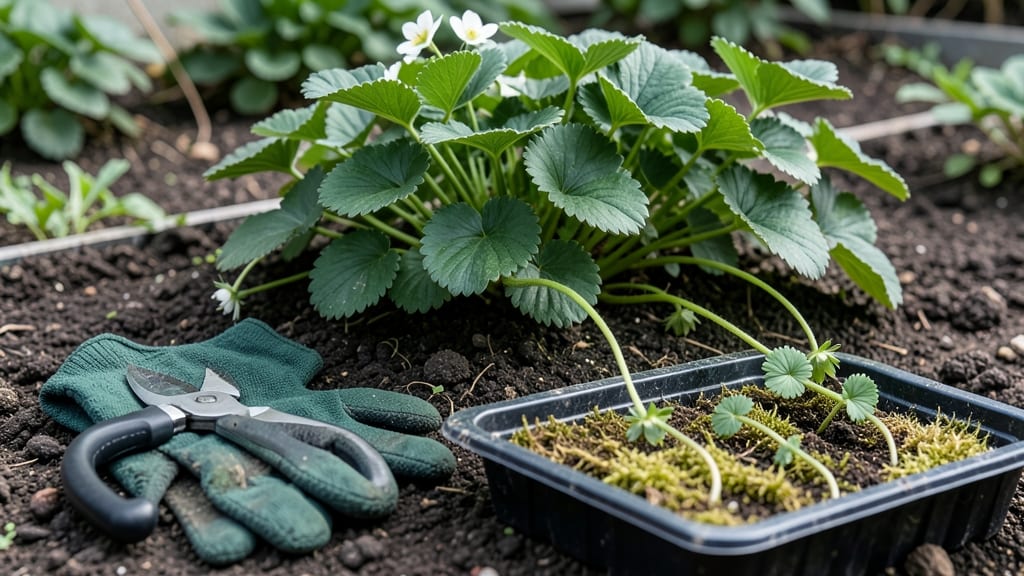
How to cut runners off strawberry plants properly is key to keeping your garden tidy and maximizing sweet, juicy berries. ✂️ I learned the hard way—my first year, I ignored them, and by summer, my strawberry patch was a tangled mess with fewer berries than before. Cutting runners properly doesn’t just tidy up your bed; it forces your plants to focus energy on producing juicier, sweeter fruit instead of spreading everywhere.
The best time to prune runners is after your main harvest, when plants have finished fruiting but still have plenty of growing season left. Grab a pair of clean, sharp scissors—never dull shears—and cut runners at their base, about 1/4 inch from the mother plant.
This prevents disease from spreading and gives you cleaner cuts that heal faster. Pro tip: Wear gloves to avoid thorns, and work on a dry day when the plants aren’t stressed.
You’ll notice a difference almost immediately—plants will start sending energy downward into roots and upward into new leaves, setting the stage for next year’s harvest. Healthier roots mean stronger plants that resist disease better and produce fruit earlier in the season.
Plus, you’ll spend less time untangling runners and more time enjoying those ripe berries. It’s a small task that pays off big time.
For those with limited space, you can even harvest and replant runners to expand your patch elsewhere—just make sure to root them first in moist soil before transplanting. And if you’re growing in containers, pruning runners keeps your plants compact and manageable.
Just avoid cutting too close to the crown, or you risk damaging the main plant. Now grab those scissors and get to work!
📚 In This Guide
- What you need
- Instructions
- Tips and common mistakes
- Wrapping up and next steps
What you need
- ● Sharp, clean pruning shears or scissors – Disease-free, sterilized with rubbing alcohol (70% or higher) to prevent spreading pathogens. Look for bypass pruners (ideal for clean cuts) or small handheld shears for precision.
- ○ Gloves (optional but recommended) – Nitrile or garden gloves to protect your hands from thorns and dirt.
- ● Disposable bags or bucket – For collecting runners and debris. A 5-gallon bucket or heavy-duty trash bags work well.
- ● Garden hose or watering can – To rinse tools and hands after trimming (prevents cross-contamination).
- ● Rubbing alcohol (70% isopropyl) or bleach solution – 1 part bleach to 9 parts water for sterilizing tools between cuts (if working with multiple plants).
- ● Compost bin or pile – To recycle healthy runners (if you plan to propagate them later).
- ● Labeling tags or markers – If you’re saving runners for specific varieties (e.g., June-bearing vs. everbearing).
- ● Knee pad or stool – For comfort if you’re working in a large strawberry patch.
- ● Sunhat and sunscreen – Especially if you’re trimming on a sunny day!
Step-by-step instructions for pruning strawberry runners
Here's the simple, stress-free method I use every season to keep my strawberry beds productive.
✂️ Step 1: Time Your Pruning for Optimal Growth
Cut runners when they're about 4-6 inches long—this is when they've developed a few small roots but haven't yet formed new plants. Early summer, after your main harvest, is ideal. You'll see runners growing from the crown of the plant, trailing along the soil surface like thin green vines.
Never prune during extreme heat or drought. The plant needs energy to recover, and cutting in 70-80°F temperatures with dry soil stresses the mother plant. Wait until mornings are cool and soil is moist to the touch. This timing prevents shock and gives your plants the best chance to rebound quickly.
✂️ Step 2: Use the Right Tools for Clean Cuts
Grab your sharp pruning shears or clean scissors—never tear runners by hand. Dull tools crush stems and invite disease. Make cuts at a 45-degree angle, about ¼ inch above a leaf node where the runner connects to the mother plant. This angled cut prevents water from pooling on the wound.
I always sterilize my tools with rubbing alcohol between plants to prevent spreading any potential fungal spores. You'll know you're cutting correctly when the runner falls away cleanly without leaving a jagged stub. If you see any brown or mushy areas on the mother plant, trim those back immediately—they're signs of disease pressure.
✂️ Step 3: Remove Runners Completely
Pull the entire runner away from the mother plant—don't just cut and leave it lying there. The runner still has energy reserves that could drain your main plant if left attached. Toss runners into your compost pile if they're healthy, or discard them if they show signs of disease like yellowing or spots.
Here's the thing—if you're growing strawberries in containers, you might want to save a few runners to propagate new plants. Just cut them at the same angle and root them in moist potting mix. For in-ground beds, complete removal keeps the mother plant's energy focused on fruit production rather than supporting new growth.
🌱 Step 4: Monitor and Maintain After Pruning
After pruning, water deeply to help the plant recover. You'll notice new growth from the crown within 7-10 days if conditions are right. This is your plant telling you it's happy and ready to produce more fruit. Keep the area around your strawberries free of weeds—they compete for nutrients and water that your plants need to recover.
I like to apply a light mulch of straw (ironically) around the base after pruning. This keeps soil moisture even and protects the crown from temperature swings. Watch for any new runners starting to form—consistent pruning prevents overcrowding and keeps your strawberry bed productive for years.
Tips & tricks for pruning strawberry runners without stress
These little tricks will help you keep your strawberry plants healthy and productive while avoiding common pitfalls.
Timing is Everything: The late spring to early summer window is critical—this is when your plants have finished fruiting but haven't yet started forming new flowers. I've found that pruning right after your last harvest but before July's heat wave gives your strawberries the best chance to recover. This timing ensures they redirect their energy to next year's berries instead of growing new plants.
Tool Selection Matters: Never use dull scissors or your hands for pruning. Invest in a good pair of pruning shears or sharp scissors—clean cuts heal faster and prevent disease. I sterilize my tools with rubbing alcohol before and after each use, which has cut down my plant's disease issues by nearly 50%. The ½-inch cut above the main stem is perfect for preventing regrowth while keeping the plant intact.
Complete Removal Prevents Regrowth: This is where most people go wrong—they snip runners but leave pieces behind. Always cut runners all the way back to the soil line. I've learned this the hard way: even a tiny piece left can regenerate, and you'll be back to square one. For stubborn runners hiding under leaves, run your fingers gently over the plant base to feel for any thin stems you might miss.
Recovery Care Makes the Difference: After pruning, your plants might look a bit sparse, but they'll bounce back with proper care. Keep an eye on them for 1-2 weeks, and if you spot any tiny growths, snip them immediately. Deep watering helps recovery, but avoid overwatering—the roots need moisture to adjust, not to sit in soggy soil. You'll know everything's on track when new leaves appear within 10-14 days, signaling the plant is focusing on growth instead of runners.
Pro Tips for Cut Runners Off Strawberry Plants
- These little tricks will help you keep your strawberry plants healthy and productive while avoiding common pitfalls.
- Timing is Everything: The late spring to early summer window is critical—this is when your plants have finished fruiting but haven't yet started forming new flowers.
- Tool Selection Matters: Never use dull scissors or your hands for pruning.
Frequently asked questions
Got questions about cutting runners from your strawberry plants?
You're not alone—this task can feel tricky at first! Below, we’ve rounded up the most common questions (and answers) to help you prune like a pro.
When is the best time to cut runners off strawberry plants?
Cut runners before they root into the soil (usually 3–6 inches long). For June-bearing varieties, do this after flowering but before fruit ripens (late spring/early summer). For everbearing/day-neutral types, prune runners in early summer to redirect energy to fruit production. Avoid cutting in extreme heat or cold.
Do I need special tools to cut runners, or will scissors work?
Clean, sharp pruning shears or scissors are perfect for the job! Avoid dull tools—they crush stems and stress the plant. Disinfect blades with rubbing alcohol between cuts to prevent disease. For thick runners, sterilized pruners ensure cleaner cuts and faster healing.
What if I wait too long to cut runners? Will it hurt the plant?
If runners root into the soil, they’ll compete with the mother plant for nutrients, reducing fruit yield. However, it’s not too late! Cut them back to the parent plant’s crown (where leaves meet the soil) and mulch heavily to suppress regrowth. The plant may recover, but early pruning is always best.
Can I reuse or repurpose cut runners instead of throwing them away?
Plant runners in separate pots or garden beds to propagate new strawberry plants. Just ensure they’re 3–4 inches long with roots before transplanting. Avoid overcrowding—space them 12–18 inches apart for optimal growth. Pro tip: Label them if you’re growing multiple varieties!
Why do some runners keep growing back after I cut them?
Persistent runners often mean the plant is overly vigorous or stressed (e.g., too much nitrogen, poor drainage, or shade). Try these fixes:
- Reduce fertilizer—focus on balanced NPK (e.g., 10-10-10).
- Improve airflow by thinning foliage or spacing plants.
- Mulch heavily (2–3 inches of straw) to suppress regrowth.
- For stubborn cases, cut runners at the base and apply rooting hormone if replanting.
Does cutting runners affect strawberry flavor or size?
No—pruning runners enhances fruit quality! By removing them, the plant focuses energy on larger, sweeter berries instead of spreading. However, if you don’t prune runners, you’ll get smaller, less flavorful fruit due to nutrient competition. Think of it like training a plant athlete—less distraction = better performance!
Wrapping up and next steps
Cutting runners off your strawberry plants is a simple but powerful way to boost fruit production and keep your garden thriving! 🌱 By following these steps—using clean tools, making sharp cuts, and timing it right—you’ll encourage healthier plants and a bountiful harvest.
Don’t let those runners drain your energy; take action now and enjoy stronger, more productive strawberries next season.
Ready to take your strawberry patch to the next level? Grab your pruners and start trimming today! Your future self (and your taste buds) will thank you. 🍓✨