
Succulent
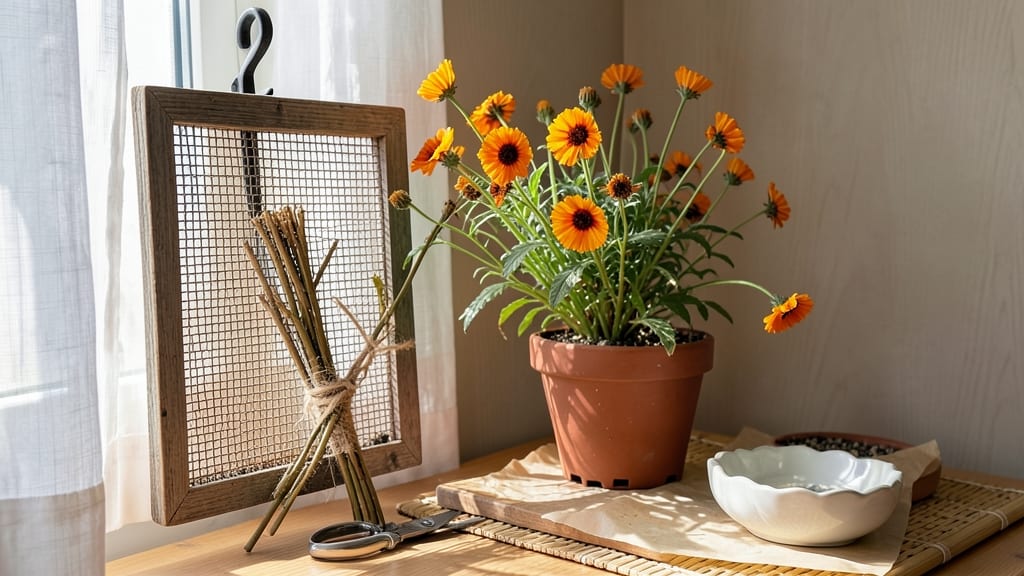
Drying calendula petals unlocks their golden glow and healing magic. 🌼 I’ve dried hundreds over the years, and the difference between dull, brittle petals and vibrant, potent ones comes down to timing and method—harvesting at the right moment and choosing the best drying technique makes all the difference.
The secret starts with picking petals when they’re fully open but still crisp, usually mid-morning after dew has dried. You can air-dry them on a screen, use a dehydrator at 95°F, or even bake them at 200°F for 1-2 hours.
Each method preserves color and potency differently, so pick based on what you’re making—salves, teas, or potpourri.
Once dry, store them in an airtight container away from light to keep their golden hue and medicinal properties intact. A little goes a long way: just a teaspoon of dried petals can infuse oil for salves or brighten herbal blends.
The key is patience—rushing leads to mold or faded petals.
Whether you’re making healing salves, fragrant potpourri, or soothing teas, dried calendula adds a touch of sunshine to any project. The best part? You’ll have enough to share with friends who’ll be jealous of your vibrant stash. Let’s get those petals drying right!
📚 In This Guide
- What you need
- Instructions
- Tips and common mistakes
- Wrapping up and next steps
What you need
- ● Fresh calendula petals: Harvest Calendula officinalis petals when fully open (preferably in the morning) and free of pests. Aim for 1–2 cups (about 100–200g) for a small batch.
- ● Drying surface: Screen drying rack (mesh size: ¼"–½") or a clean, flat tray (baking sheet or wooden board).
- ○ Paper towels or parchment paper (optional, for easy cleanup).
- ● Ventilation: A well-ventilated area (indoors or outdoors) with indirect sunlight or low heat (below 95°F/35°C).
- ● Storage containers: Air-tight glass jars (e.g., 8–16 oz) with screw-top lids.
- ○ Silica gel packets (optional, for moisture control).
- ● Food dehydrator (set to 95–115°F/35–46°C) for faster, even drying.
- ● Desiccant (rice or uncooked beans) to absorb excess moisture in jars.
- ● Labeling supplies (masking tape + marker) to track harvest dates.
- ● Fine-mesh sieve for sifting dried petals (if making infused oils or teas).
Step-by-step instructions for drying calendula petals
Here's the gentle method I use to preserve calendula's golden hue and medicinal properties—no fancy tools needed.
🌿 Step 1: Harvest Petals at Peak Freshness
Pick calendula flowers in the morning after the dew has dried but before the sun peaks. Look for fully open blooms with vibrant petals—these yield the richest color and oil content. Gently twist the flower heads to remove petals from the base, avoiding the green sepals that can turn bitter when dried.
I spread a clean kitchen towel on my work surface and lay the petals in a single layer. This prevents moisture buildup that could lead to mold during drying. If petals are damp from dew, pat them dry with a paper towel first—wet petals take much longer to dry properly.
☀️ Step 2: Choose Your Drying Method
For the most vibrant color, I use a screen drying method—hang a fine mesh screen or an old embroidery hoop in a warm, dry, dark place with good airflow. Calendula petals need 1-2 weeks to dry completely, depending on humidity. A dehydrator at 95°F speeds this up to 4-6 hours, but watch closely to avoid overheating.
If using a dehydrator, spread petals in a single layer without overlapping. For air drying, I tie small bundles of petals with twine and hang them upside down in a cool, dark closet—this preserves color better than direct sunlight, which can bleach the petals over time.
⏰ Step 3: Test for Complete Dryness
Petals are ready when they're completely dry to the touch and easily crumble between your fingers. I test by gently pressing a petal—if it snaps cleanly and feels papery, it's done. Store dried petals in an airtight glass jar away from light to maintain their color and potency.
If petals feel slightly damp after a week, give them another 2-3 days before storing. Overly moist petals will develop mold within days, ruining your harvest. A small amount of moisture is normal, but the jar should feel dry when you open it after sealing.
💧 Step 4: Store for Long-Term Use
Fill your glass jar with dried petals, leaving 1 inch of space at the top to prevent condensation. Seal tightly and store in a cool, dark pantry—calendula retains its healing properties for up to 1 year when stored properly. For medicinal uses, I label jars with the harvest date to track freshness.
If you notice any musty smells or dark spots when opening the jar, discard the petals immediately—this indicates mold growth. Properly dried calendula should smell sweetly herbal with no off-odors. For culinary use, dried petals can be crumbled into teas or infused oils for a gentle, floral flavor.
Tips & tricks for perfect calendula preservation
Here's what I've learned after experimenting with calendula drying for years—these little details make all the difference between vibrant petals and dull, brittle ones.
Harvest Timing Secret: The morning after dew dries is truly the sweet spot for harvesting. I've tried picking later in the day, and the petals lose their vibrant color much faster during drying. Always harvest when the petals are fully open—they should feel sturdy and slightly crisp to the touch. If you're harvesting from your garden, do it on a dry day to avoid bringing moisture into your drying process.
Drying Method Wisdom: For the dehydrator method at 95°F, I recommend checking petals after 3 hours rather than waiting the full 4-6 hours. Calendula dries quickly—overheating can turn them brown and brittle. If using air drying, position your bundles where they'll get gentle airflow without direct drafts. I've ruined batches by placing them too close to air vents or open windows.
Storage Upgrade: Glass jars with airtight lids are non-negotiable for long-term storage, but I've found that adding a small silica gel packet to the jar extends freshness even further. These packets absorb any lingering moisture that could cause condensation. For medicinal uses, I also include a small label with the harvest date—this helps track potency over time, especially important for calendula's healing properties.
Color Preservation Hack: If your dried petals lose their golden hue, it's often from exposure to light. Store jars in a dark pantry or wrap them in aluminum foil if you need to keep them in a brightly lit area. I've seen calendula turn dull green when stored in direct sunlight—it's heartbreaking after all that careful drying work! For culinary uses, the color difference is less critical, but medicinal properties are best preserved with vibrant petals.
Pro Tips for Dry Calendula
- Here's what I've learned after experimenting with calendula drying for years—these little details make all the difference between vibrant petals and dull, brittle ones.
- Harvest Timing Secret: The morning after dew dries is truly the sweet spot for harvesting.
- Drying Method Wisdom: For the dehydrator method at 95°F, I recommend checking petals after 3 hours rather than waiting the full 4-6 hours.
Frequently asked questions
Got questions about drying calendula petals?
You’re not alone! Here are answers to the most common queries to help you master the process like a pro.
How long does it take to dry calendula petals completely?
Drying time depends on your method, but most petals take 1–3 weeks to fully dry. Air-drying (hanging or laying flat) is the slowest but gentlest, while dehydrators or low oven methods speed it up to 6–24 hours. Test for doneness by checking for crispness—petals should crumble slightly when touched but not turn brittle.
Can I speed up the drying process without ruining the petals?
If you’re in a hurry, use a dehydrator (95–115°F for 4–6 hours) or a low oven (170°F or less) with the door cracked open. For air-drying, increase airflow by placing petals in a well-ventilated area or using a small fan. Just avoid high heat—it’ll bleach the color and destroy healing properties!
What if my calendula petals mold or get damp during drying?
Mold or dampness is a red flag—act fast! Remove any affected petals immediately to prevent spread. Redry the rest in a dry, well-ventilated space or use a dehydrator. To prevent mold, start with fully dry petals (shake off excess water) and avoid high humidity. If mold appears often, try a food dehydrator with a moisture absorber.
Can I dry calendula petals in the sun instead of indoors?
Sun-drying works in hot, dry climates (like deserts or Mediterranean regions), but it’s risky in humid areas. If you try it, lay petals on a screen or mesh in direct sunlight for 2–3 days, flipping them daily. Avoid dew or rain—moisture speeds up spoilage. For most people, indoor air-drying is safer and preserves color better.
What’s the best way to store dried calendula petals?
Store dried petals in airtight containers (glass jars or resealable bags) in a cool, dark place (like a pantry or cupboard). Add a silica gel packet or a bay leaf to absorb moisture. Properly stored, they’ll last 1–2 years while retaining their vibrant color and medicinal benefits. Label your jars with the drying date for freshness tracking!
Wrapping up and next steps
Drying calendula petals is a simple yet rewarding process that unlocks their vibrant color and healing properties—whether for homemade remedies, skincare, or culinary uses. By following the right techniques (like air-drying or low-heat dehydration), you’ll preserve their potency and beauty for months.
Now that you’re equipped with the know-how, why not harvest your next batch and turn sunshine into self-care? 🌼✨
Ready to dive deeper? Explore DIY calendula-infused oil recipes or share your dried petals with friends—nature’s gifts are best when shared!