
How To
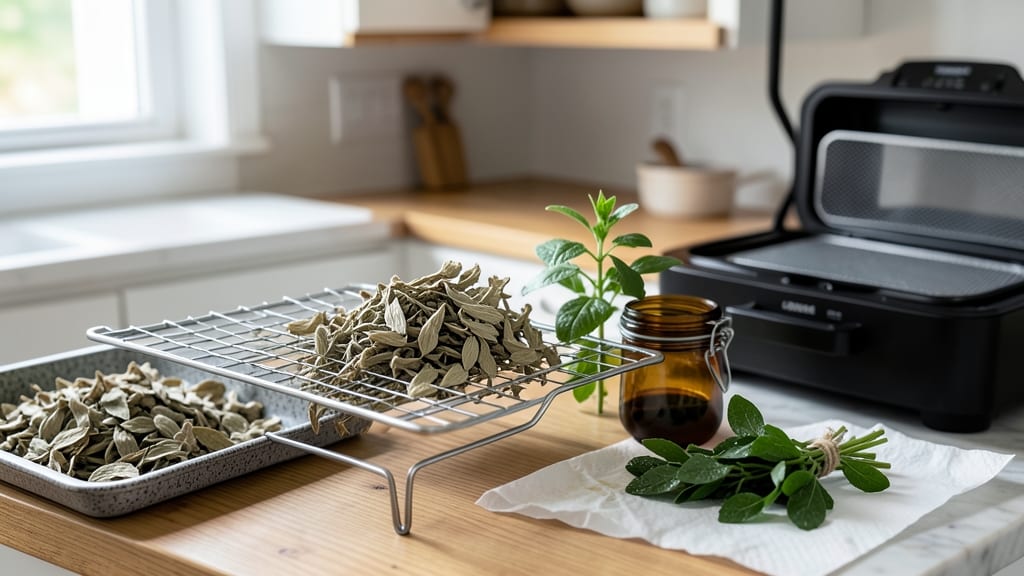
How to dry out oregano leaves properly is key—because dried oregano loses flavor when it gets damp or overheated. ✨ The secret to preserving that bold, earthy taste lies in slow, even drying—whether you use air, oven, or dehydrator. Too fast, and you end up with brittle, flavorless crumbs. Too slow, and mold creeps in before you know it. Start with fresh, healthy leaves (no wilting or yellowing) and choose your method based on time and tools. Air-drying works best in warm, dry climates with good airflow, while ovens and dehydrators give you control in humid conditions. I’ve tried all three—here’s what actually works without sacrificing potency.
📚 In This Guide
- What you need
- Instructions
- Tips and common mistakes
- Wrapping up and next steps
What you need
- ● Fresh oregano leaves: Harvest organic, pesticide-free oregano from your garden or a trusted source. Aim for ½ to 1 cup of leaves (about 10-15 sprigs) for a small batch.
- ● Clean, airy surface: A wire mesh rack, paper towels, or a clean kitchen towel to lay out leaves in a single layer.
- ● Sharp scissors or pruning shears: For harvesting stems cleanly (avoid crushing leaves!).
- ● Drying method of choice: Air-drying: A cool, dark, well-ventilated space (like a pantry or closet with a fan).
- ● Oven-drying: A low-temperature oven (170–200°F or 77–93°C) or a food dehydrator (set to 95–115°F or 35–46°C).
- ● Air-tight storage containers: Glass jars with hermetic seals (like mason jars) or food-grade plastic bags with zip locks.
- ● Desiccant packets: Small silica gel packs to absorb moisture in storage containers.
- ● Labeling supplies: Masking tape + marker to label jars with the date and herb type.
- ● Fine-mesh strainer or cheesecloth: For gently separating dried leaves from stems (if you prefer loose leaves over sprigs).
- ○ Essential oil (optional): A few drops of high-quality oregano oil to boost flavor in storage (use sparingly!).
Step-by-step instructions for drying oregano leaves
Preserving oregano at peak flavor is all about gentle drying—here’s how to do it right.
🌿 Step 1: Harvest and Prepare the Leaves
Pick oregano leaves in the morning after the dew has dried, when their essential oils are most concentrated. Use clean, sharp scissors to snip stems just above a leaf node—this encourages bushier growth. Avoid flowers or woody stems, as they detract from flavor. Spread the leaves on a clean kitchen towel to air briefly, removing any dirt or debris.
For best results, work with leaves that are fully mature but not yet flowering. Young leaves dry too slowly, while overripe ones lose potency. You’ll need about 4-5 sprigs (roughly 1 cup of leaves) to yield a ¼ cup of dried oregano, so harvest generously. If using store-bought oregano, strip leaves from stems and rinse gently under cool water to remove any pesticides or dust.
☀️ Step 2: Choose Your Drying Method
Oregano dries best using one of three methods: air-drying, oven-drying, or dehydrator-drying. Air-drying is the most traditional but slowest, taking 2-3 weeks until leaves crumble easily between your fingers. Bundle 5-6 stems together and hang upside down in a warm, dark, well-ventilated spot—like a pantry or closet with a 60-70°F temperature. Tie stems with twine and clip the bundle to a hook or lay it across a jar.
For faster results, oven-dry leaves at their lowest setting (170°F or less) with the door slightly ajar to allow moisture to escape. Spread leaves in a single layer on a baking sheet lined with parchment paper and dry for 1-2 hours, stirring occasionally. A dehydrator set to 95°F works best—dry leaves for 2-4 hours until they’re brittle. Avoid high heat, which burns essential oils and dulls flavor.
⏰ Step 3: Test for Proper Drying and Store Correctly
Dried oregano is ready when leaves crumble easily between your fingers and lose their green color, turning a dull grayish-brown. If any leaves still feel pliable or green, return them to the drying method for another 30-60 minutes. Once fully dried, strip leaves from stems and store in an airtight glass jar—glass preserves flavor better than plastic and blocks light, which degrades oils over time.
Keep the jar in a cool, dark place like a pantry or cupboard, away from heat sources. Properly dried oregano retains its potency for 6-12 months, though flavor peaks within the first 3-6 months. Label the jar with the date to track freshness. If you notice a musty smell or weak aroma, it’s time to replace it—dried oregano loses potency faster than many other herbs.
💧 Step 4: Revive Dried Oregano for Cooking
Before using dried oregano in recipes, crush leaves between your fingers or pulse briefly in a spice grinder to release trapped oils. Whole dried leaves work in soups or stews, but crushing them enhances flavor in marinades, sauces, or sprinkled over dishes. Start with ¼ teaspoon dried oregano per tablespoon fresh—dried herbs are 3-4 times more concentrated than fresh.
For maximum flavor, add dried oregano early in cooking—heat breaks down essential oils, so sprinkle it into dishes during the last 10-15 minutes of simmering. Store-bought dried oregano often contains fillers like stems or flowers, so if your homemade batch seems weaker, blend it with a pinch of dried thyme or marjoram to boost complexity.
Tips & tricks for perfectly dried oregano
Here's what I've learned after drying herbs for years—and how to avoid the most common mistakes.
Harvest Timing: The morning after dew dries is truly the best time to harvest oregano leaves. That's when essential oils are at their peak concentration. I've noticed that leaves picked later in the day often dry with a slightly bitter aftertaste, especially if they've been exposed to afternoon sun. If you must harvest later, do it in the early afternoon when temperatures are still moderate.
Drying Method Selection: For oven-drying at 170°F or less, I've found that using a wire cooling rack instead of a baking sheet allows for better air circulation around the leaves. This cuts drying time by about 20% while preventing any potential browning. When using a dehydrator at 95°F, spread leaves in a single layer without overlapping—they'll dry more evenly and retain their vibrant color longer.
Storage Wisdom: Glass jars with airtight lids are non-negotiable for preserving oregano's potency. I've ruined batches using plastic containers because they allow moisture to seep in over time. For even better protection, place a small piece of parchment paper between the lid and jar contents to absorb any residual moisture that might develop during storage.
Flavor Revival Technique: When reviving dried oregano for cooking, I always crush it between my fingers right before adding to dishes. This releases the trapped essential oils that give oregano its characteristic aroma. For maximum impact, add crushed oregano during the last 10-15 minutes of cooking—this prevents the volatile oils from dissipating into the air.
Pro Tips for Dry Out Oregano Leaves
- Here's what I've learned after drying herbs for years—and how to avoid the most common mistakes.
- Harvest Timing: The morning after dew dries is truly the best time to harvest oregano leaves.
- Drying Method Selection: For oven-drying at 170°F or less, I've found that using a wire cooling rack instead of a baking sheet allows for better air circulation around the leaves.
Frequently asked questions
Got questions about drying oregano leaves? You’re not alone! Here are some common ones—and the answers to help you nail that perfect, potent harvest every time.
How long does it take to dry oregano leaves?
Drying time depends on your method:
- Air-drying (hanging bundles): 2–4 weeks in a dark, well-ventilated spot (like a pantry).
- Dehydrator: 2–4 hours at 95°F (35°C) or until crisp.
- Oven: 1–3 hours at 200°F (93°C), checking every 30 minutes.
Can I speed up the drying process?
Yes! For faster results:
- Use a dehydrator (most efficient).
- Spread leaves on a baking sheet in a low oven (170°F/77°C) with the door slightly open.
- Place a fan nearby to circulate air (but avoid direct airflow, which can scatter leaves).
What if my oregano leaves turn moldy or smell bad?
Mold or funky smells mean moisture or bacteria. Here’s how to fix it:
- Check humidity: Ensure your drying space is dry (use a small fan if needed).
- Harvest at peak freshness: Pick leaves when fully mature but before flowering.
- Discard contaminated batches: If mold appears, toss the leaves immediately—don’t risk spoilage.
How do I store dried oregano to keep it fresh longer?
Store dried oregano in an airtight container (glass jars or vacuum-sealed bags work best) in a cool, dark place (like a pantry or fridge). Properly stored, it’ll stay flavorful for 6–12 months. For extra shelf life, add a deseiccant packet to absorb moisture.
Can I use dried oregano in the same way as fresh?
Not exactly! Dried oregano is more concentrated—use 1/3 the amount of fresh leaves in recipes. For example:
- 1 tbsp fresh oregano ≈ 1 tsp dried.
- Dried oregano works best in long-cooked dishes (like sauces, soups, or marinades) where flavors meld.
Wrapping up and next steps
Drying oregano leaves at home is a simple yet rewarding way to preserve their bold, aromatic flavor for months—without breaking the bank! Whether you choose air-drying, oven-drying, or dehydrator methods, the key is patience and proper storage.
Now that you’ve mastered the technique, go ahead and stock up on that fresh oregano from your garden or farmers’ market—your future meals (and pantry) will thank you! 🌿
Ready to take it further? Try experimenting with infused oils or homemade herb blends to elevate your cooking game even more. Happy preserving! ✨