
Pests
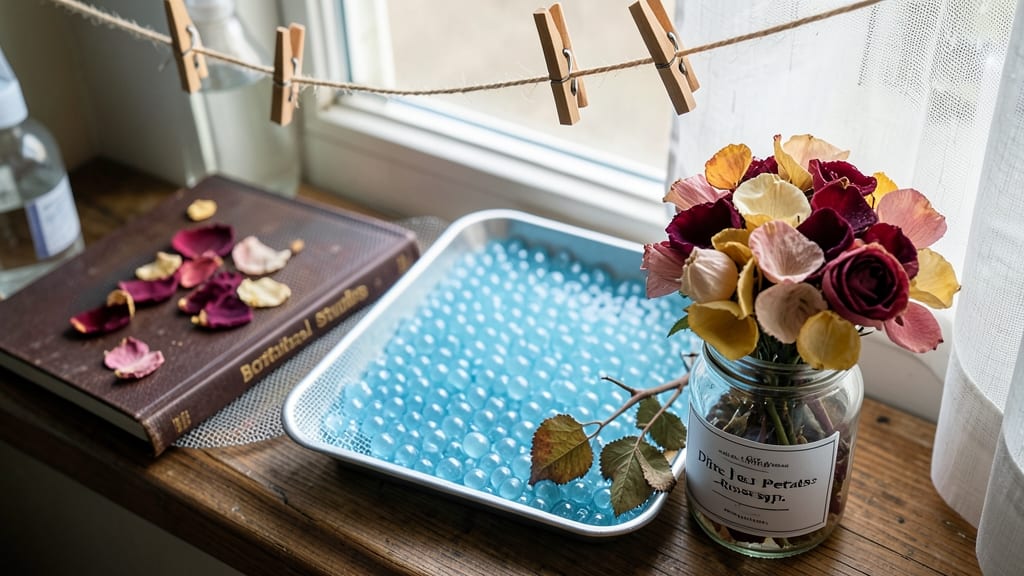
How to dry roses to keep their color—your roses deserve to stay vibrant long after they bloom. 🌹 Drying them properly preserves their rich hue and delicate texture, whether you're saving them for crafts or creating lasting bouquets. The key lies in controlling moisture and choosing the right method—sunlight, silica gel, or even the microwave—each with its own secrets to prevent fading.
Start with fresh, fully open roses that haven’t wilted. Remove leaves and thorns, then trim stems to 2-3 inches for better absorption. Humidity and temperature matter most—ideal conditions are 60-70°F with low humidity.
Too much moisture turns petals mushy, while dry air speeds up fading. For silica gel, spread petals on a tray with 1-2 inches of gel to lock in color instantly.
After drying, store petals in airtight containers with silica packets to prevent moisture buildup. They’ll stay vibrant for years, perfect for potpourri, framed art, or sentimental keepsakes. The biggest mistake? Rushing the process—patience ensures petals keep their original hue instead of turning dull or brittle.
Experiment with different roses (dark varieties hold color best) and methods to find what works for your space. Once mastered, you’ll never waste a bloom again—just transform them into lasting treasures that capture summer’s beauty year-round.
📚 In This Guide
- What you need
- Instructions
- Tips and common mistakes
- Wrapping up and next steps
What you need
- ● Fresh roses – Choose fully bloomed, healthy roses (avoid wilted or sprayed ones). Quantity: 1-10 stems, depending on your project.
- ● Sharp scissors or pruning shears – For clean cuts to prevent clogging stems.
- ● Newspaper or parchment paper – 2-3 sheets to line your drying surface and protect colors.
- ● Rubber bands or floral wire – To bundle stems into small bunches (2-3 stems per bundle).
- ● Drying method-specific items: For sunlight drying: A well-ventilated, shaded area (like a porch or garage with indirect light).
- ● For silica gel drying: Uncooked silica gel packets – 1-2 lbs (450-900g), food-grade or craft-quality (avoid cat litter or non-food-safe types!).
- ● Air-tight container – A glass jar or plastic bin with a lid (large enough to hold rose bundles + silica).
- ● Hairspray or clear nail polish – A light coat to seal petals and preserve color after drying.
- ● Drying rack or mesh screen – Elevates roses for better airflow if sunlight drying.
- ● Labeling tags – To mark varieties or dates (because who doesn’t love a little organization?).
- ● Glove – Protects hands from silica gel dust (if using the gel method).
Step-by-Step instructions for preserving rose color in dried blooms
Here's how to dry roses while locking in their vibrant hues—two foolproof methods to keep your flowers looking fresh for months.
🌿 Step 1: Select and Prepare Your Roses
Choose roses at peak bloom with fully opened petals and minimal wilting—this is when their pigments are most vivid. Cut stems at a 45-degree angle to maximize water absorption, then place them in a clean vase with lukewarm water for 24 hours. This rehydration step revives any slight droop and ensures the petals stay plump during drying.
Remove any leaves that would touch the water (they rot and stain petals). I like to strip stems down to 2-3 inches—just enough to hold the bloom securely. Here's the thing: if you skip the rehydration, your dried roses will fade faster because the petals won't hold their moisture long enough to set the color properly.
☀️ Step 2: Sunlight Drying Method
For the simplest approach, lay roses on a clean, flat surface like a wire rack or newspaper-covered table. Space them 1-2 inches apart so air circulates freely—crowding traps moisture and causes mold. Place the setup in direct sunlight for 3-5 days, flipping blooms daily to expose all petals evenly.
You'll know it's working when the petals turn slightly papery and lose their sheen. Watch for 3-5 days—any longer risks over-drying and brittle petals. This method works best in warm, dry climates (above 70°F), but even cooler temps will yield results if you're patient. Real talk: humidity is your enemy here, so avoid rainy days or damp mornings.
🪴 Step 3: Silica Gel Drying Method
For the most vibrant color retention, use food-grade silica gel crystals (available at craft stores). Fill a shallow container with a 2-inch layer of crystals, then place roses on top, petals-down. Cover with another 2-inch layer, pressing gently to ensure all petals touch the gel. This draws moisture out evenly without heat damage.
Let them dry for 7-10 days in a cool, dark place (like a closet). Check daily—when petals feel dry to the touch and stems snap cleanly, they're ready. The silica method preserves color best for archival-quality results, but it requires more patience. I always use this for special roses I want to last decades.
✂️ Step 4: Finalizing and Storing Your Dried Roses
Once fully dry, carefully remove roses from the drying method and trim stems to 1 inch. For sunlight-dried blooms, gently brush off any dust or debris with a soft makeup brush. Store them in acid-free tissue paper inside a sealed container with a silica gel packet to prevent moisture absorption.
Here's where it gets fun—display your dried roses in low-light areas to prevent color fading. Avoid direct sunlight after drying, as UV rays will bleach petals over time. With proper storage, your roses will retain their color for years, making them perfect for wreaths, framed art, or sentimental keepsakes.
Tips & tricks for perfectly vibrant dried roses
Between us, these little adjustments make all the difference when preserving that stunning rose color—trust me, I've seen the difference between faded blooms and museum-quality dried flowers.
Timing Secret: That 24-hour rehydration in Step 1 isn't just about reviving wilting—it's about priming the petals to hold their pigments. I've learned the hard way that skipping this step means color loss during drying. For extra insurance, add a splash of white vinegar (1 tablespoon per quart of water) to the vase during rehydration. The acidity helps stabilize those delicate pigments from the start.
Color Preservation: When using the sunlight method in Step 2, avoid drying between 10 AM and 4 PM in peak summer heat—those intense UV rays actually bleach petals even while drying. If you must use midday sun, drape a sheer white fabric over the setup to diffuse the light while still allowing airflow. For cooler climates, extend the drying time by 1-2 days rather than cranking up heat sources.
Silica Gel Strategy: The 2-inch layers of silica gel in Step 3 aren't arbitrary—they create the perfect moisture gradient. For roses with particularly thick petals (like hybrid teas), add a third 1-inch layer in the middle to ensure even drying throughout. And here's what nobody tells you: if your petals start curling at the edges during silica drying, they're drying too fast. Slow down by reducing the layer thickness slightly or moving to a cooler spot.
Storage Wisdom: That acid-free tissue paper in Step 4 isn't just for cushioning—it prevents the dreaded "newsprint yellowing" that happens when regular paper acidifies over time. For long-term storage, I like to add a tiny packet of uncooked rice along with the silica gel packet. The rice absorbs any residual moisture that might escape the packet, keeping your dried roses crisp and vibrant for years.
Pro Tips for Dry Roses To Keep Their Color
- Between us, these little adjustments make all the difference when preserving that stunning rose color—trust me, I've seen the difference between faded blooms and museum-quality dried flowers.
- Timing Secret: That 24-hour rehydration in Step 1 isn't just about reviving wilting—it's about priming the petals to hold their pigments.
- Color Preservation: When using the sunlight method in Step 2, avoid drying between 10 AM and 4 PM in peak summer heat—those intense UV rays actually bleach petals even while drying.
Frequently asked questions
Got questions?
Here are some of the most common ones about drying roses while preserving their stunning color—plus quick, expert answers to keep your blooms looking fresh for years!
How long does it take to dry roses using sunlight?
Drying roses in sunlight typically takes 3–7 days, depending on humidity and weather. Thin petals and place them in a well-ventilated, shaded spot (like a mesh bag) to speed up the process. Avoid direct sun for too long—it can fade colors over time!
Can I rush the drying process?
Nope! Rushing with heat (like an oven or hairdryer) can bleach or crisp petals, ruining their color. Patience is key—let roses air-dry naturally. For faster results, try a dehumidifier or silica gel (see our method guide for details).
What’s the best way to preserve rose color long-term?
Store dried roses in a cool, dark place (like a sealed box with silica gel packets) to prevent fading. Avoid plastic—it traps moisture and causes mold. For extra vibrancy, spray lightly with hairspray or clear nail polish before storing.
Can I use a microwave to dry roses?
Microwaving is a big no—it burns petals and strips color instantly! Stick to air-drying or silica gel for safe, beautiful results. If you’re in a hurry, try a low-heat oven (below 200°F) for 1–2 hours max, but monitor closely.
What if my roses turn brown or moldy?
Brown spots? You likely dried them too fast or in high humidity. Mold means moisture was trapped—discard affected roses. To prevent this, rearrange petals every 24 hours and ensure airflow. Start fresh with a new batch if needed!
Can I reuse dried roses for crafts?
Once fully dried, roses are perfect for wreaths, potpourri, or framed art. Just handle gently—they’re delicate! For crafts, store them flat between parchment paper to keep petals intact.
Wrapping up and next steps
Drying roses to preserve their vibrant color is easier than you think! Whether you choose the sunlight method for a natural touch or the silica gel method for faster, flawless results, the key is patience and the right conditions.
With these techniques, you’ll keep those petals looking fresh for years—perfect for crafts, gifts, or sentimental keepsakes. 🌸✨
Now that you’re ready, pick your favorite roses and get started! Share your dried blooms with loved ones or display them proudly—your hard work will bloom into something beautiful. Happy drying! 💐😊