
Propagation
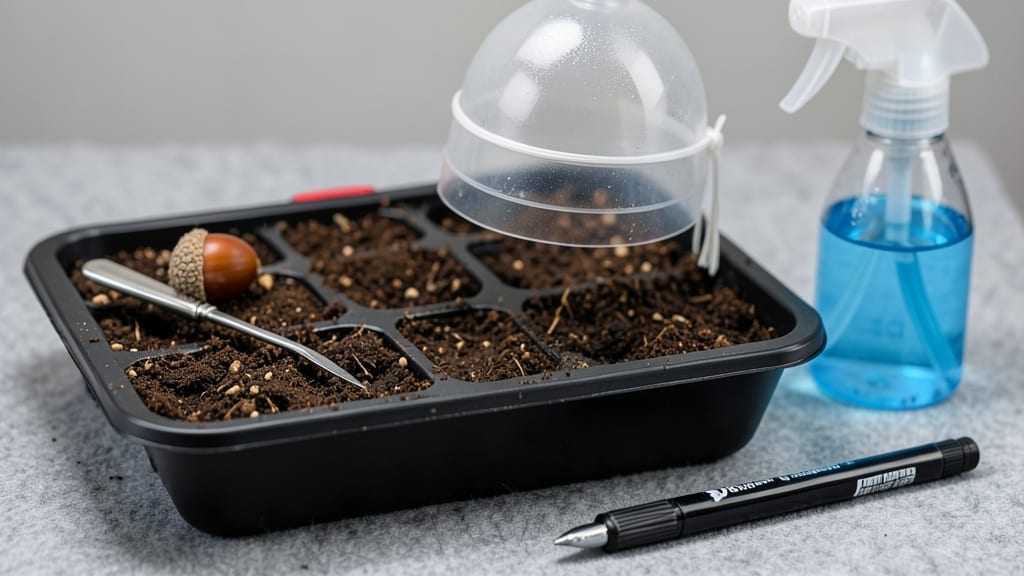
Germinating oak tree seeds feels like waiting for a slow-motion miracle. 🌱 The key to breaking their stubborn dormancy? Stratification—mimicking winter's chill to trick them into sprouting. I've struggled with oak seeds for years, but this method finally gave me consistent results after just 3 months of patience.
Most gardeners quit too soon because oak seeds need cold, moist conditions for 60-90 days before they'll even think about growing. White oaks respond faster than red oaks, but both reward persistence with sturdy seedlings. The secret isn't fancy equipment—just a plastic bag, some damp sand, and a fridge.
You'll watch tiny roots emerge first, then see the first green shoot push through the soil. That moment—when you realize you're growing a future shade giant—makes every week of waiting worth it. The real magic happens when those seedlings hit 6 inches, ready for their permanent home.
This works for red, white, and pin oaks, though timing varies slightly. The patience pays off with trees that outlive us all. Let's get those acorns sprouting!
📚 In This Guide
- What you need
- Instructions
- Tips and common mistakes
- Wrapping up and next steps
What you need
- ● Fresh oak acorns – Collect 20-50 healthy, mature acorns (preferably from red or white oak species). Ensure they’re plump, firm, and free of cracks or mold.
- ● Stratification medium – Use a mix of: Peat moss or coco coir (4 parts)
- ● Perlite or coarse sand (1 part)
- ● Ziplock bags or airtight containers – Choose quart-sized or larger to hold your acorns and medium.
- ● Refrigerator or cold stratification setup – A standard fridge (34–40°F / 1–4°C) works perfectly for 6–12 weeks.
- ● Small hand trowel or spoon – For gently placing acorns into the medium.
- ● Spray bottle – To mist the medium and keep it consistently damp (not soggy!).
- ● Labeling tags – Mark bags with the date and oak species (e.g., "Red Oak – Stratified 10/2024").
- ○ Optional: Heating mat (for post-stratification) – A seedling heat mat (70–75°F / 21–24°C) speeds up germination after cold treatment.
- ● Growing trays or pots – 4–6 inch diameter pots with drainage holes for transplanting sprouted acorns.
- ● Patience (and a journal!) – Track moisture levels, temperature, and germination progress.
Step-by-Step instructions for germinating oak tree seeds
Here's the method I've used to break oak seeds' stubborn dormancy—no guesswork, just reliable results.
🌱 Step 1: Collect and Prepare the Seeds
Gather acorns from mature oak trees in late fall, when they've fully ripened but haven't yet sprouted. Look for plump, unblemished nuts with intact caps—they're your best bet for germination. I like to collect them fresh from the ground rather than using store-bought ones, as they've already experienced some natural stratification.
Remove any remaining cap fragments and check for signs of insect damage or mold. Healthy acorns should feel firm and weigh substantial for their size. Store them in a cool, dry place until you're ready to begin stratification, which is the key to breaking their dormancy. Don't wash them—the natural oils protect against rot during the process.
💧 Step 2: Perform Cold Stratification for 60-90 Days
Place the acorns in a container with a mix of damp sphagnum moss and sand (equal parts). I use a shallow tray lined with a breathable material like burlap or paper towels to prevent mold. Keep the mix moist but not soggy—you should be able to squeeze a handful and have just a few drops of water come out, not a steady stream.
Seal the container loosely (use a lid with small holes or plastic wrap with slits) and refrigerate at 35-40°F for 60-90 days. This mimics winter conditions and triggers the seeds to break dormancy. Check monthly to ensure the mix hasn't dried out—if it has, add a tiny bit of water and stir gently. You'll know stratification is working when you see a small white root (radicle) emerging from some of the acorns after about 45-60 days.
☀️ Step 3: Plant Stratified Seeds in a Warm, Sunny Spot
Once you see the radicle, it's time to plant. Fill small pots (3-4 inches deep) with a well-draining mix of 50% potting soil and 50% perlite. Plant each acorn about 1 inch deep, with the radicle facing downward. I like to use individual pots for each seed so I can monitor progress without disturbing others.
Place the pots in a warm spot (65-75°F) with bright, indirect light for the first 2-3 weeks. Avoid direct sunlight at first—it can overheat the soil and stress the delicate sprouts. Keep the soil consistently moist but never waterlogged. You'll see the first true leaves appear in 4-8 weeks, depending on the oak species and how well the stratification worked.
🌿 Step 4: Transplant Seedlings to Larger Containers
When seedlings reach 4-6 inches tall and develop 3-4 sets of true leaves, it's time to transplant them to larger containers (6-8 inches deep). Use the same well-draining soil mix and gently remove the seedling, keeping as much of the root system intact as possible. Plant at the same depth it was growing before—burying too deep can cause rot, while planting too shallow weakens the stem.
Place the seedlings in a spot with full sun (at least 6 hours daily) and gradually introduce them to outdoor conditions over 1-2 weeks if starting indoors. Water deeply when the top 1-2 inches of soil feel dry, but avoid overhead watering to prevent fungal diseases. Young oak seedlings grow slowly, so patience is key—don't expect rapid growth in the first year.
⏰ Step 5: Overwinter Seedlings for Stronger Growth
If you're in a climate with cold winters, keep seedlings outdoors in their containers but protect them from freezing temperatures. I wrap the pots in burlap and place them in a sheltered spot like against a fence or under a tree. Mulch the soil surface with 2-3 inches of straw to insulate roots and retain moisture.
In spring, resume regular watering and fertilizing with a balanced, slow-release fertilizer (10-10-10) to encourage strong growth. Oak seedlings are tough once established, but their first few years are critical. You'll see faster growth in their second and third years, so don't rush—let them develop a sturdy root system before transplanting outdoors permanently.
Tips & tricks for faster oak seed germination
A few simple strategies will help you bypass the long wait and get those stubborn acorns sprouting faster.
Timing is Everything: Don't rush the 60-90 day stratification—this is non-negotiable for breaking dormancy. I've tried cutting corners, but acorns need that full winter simulation. The key is consistency: check your container monthly to maintain that perfect damp-but-not-soggy mix. If you see mold developing, it means you've overwatered—drain excess immediately and let it air out for a day before resealing.
Radicle Recognition: In Step 2, when you spot that tiny white radicle after 45-60 days, that's your cue to plant. I use a magnifying glass to check each acorn—some may not sprout, and that's normal. The radicle should be about 1/4 inch long when ready. If you wait too long, it can become brittle and break during planting.
Lighting Strategy: During the first 2-3 weeks after planting, bright indirect light is crucial. I place my seedling trays near an east-facing window where they get morning sun but avoid the harsh afternoon rays. Too much direct sun can overheat the soil and cook the delicate sprouts. If you don't have good natural light, a grow light on a timer (12 hours on/off) works beautifully.
Transplanting Technique: When moving seedlings to larger containers in Step 4, focus on preserving the root system. I gently squeeze the sides of the small pot while lifting the seedling—this helps the root ball stay intact. If you see roots circling tightly around the original pot, it's a sign the seedling needs transplanting sooner rather than later. Oak seedlings are tough, but root damage slows their growth significantly.
Pro Tips for Germinate Oak Tree Seeds
- A few simple strategies will help you bypass the long wait and get those stubborn acorns sprouting faster.
- Timing is Everything: Don't rush the 60-90 day stratification—this is non-negotiable for breaking dormancy.
- Radicle Recognition: In Step 2, when you spot that tiny white radicle after 45-60 days, that's your cue to plant.
Frequently asked questions
How long does oak seed stratification take?
Oak seeds typically require 60–90 days of cold stratification (40–50°F) to break dormancy. Some varieties may need up to 120 days—patience is key! Monitor moisture levels and adjust if mold appears. If sprouts don’t emerge after 3 months, try extending the process or checking seed viability.
Can I germinate oak seeds without stratification?
Stratification is essential for oak seeds—skipping it usually results in 0% germination. However, you can mimic natural conditions by soaking seeds in water for 24 hours before cold treatment. If you’re in a hurry, some gardeners use sand stratification (mixing seeds with damp sand) for faster, more controlled results.
What’s the best way to tell if oak seeds are still viable?
Test viability by placing seeds in water: viable seeds sink (good!), while floaters are likely dead. For oak acorns, a firm, unshrunken seed with no mold or cracks is a positive sign. If stored properly (cool, dry place), viable seeds can last 1–2 years—but germination rates drop over time.
Why are my oak seeds sprouting mold instead of sprouts?
Mold is a red flag—it means your seeds are too wet or warm. Drain excess moisture immediately and move seeds to a cooler, drier spot (but not bone-dry). Use a 50/50 mix of peat moss and perlite for better airflow. If mold spreads, discard affected seeds and restart stratification with fresh ones.
How do I know when to transplant oak seedlings?
Transplant when seedlings have 2–3 true leaves (not just the initial seed leaves) and roots are 2–3 inches long. Wait until spring (after last frost) to minimize shock. Harden off seedlings by gradually exposing them to outdoor conditions for 1–2 weeks before planting in well-draining soil. Choose a sunny spot—they’ll thrive with 6+ hours of light daily.
Wrapping up and next steps
Germinating oak tree seeds might seem like a patience test, but with the right stratification techniques and a little care, you can unlock the potential of these mighty trees! Remember, timing, moisture, and consistency are your best allies—whether you’re using the warm-cold-warm method or a simple fridge trick. 🌱
Now that you’re armed with the know-how, why not take the next step? Plant your prepped seeds in well-draining soil and watch as tiny roots transform into towering oaks. Your future forest starts with one seed—go ahead, plant it!