
Pests
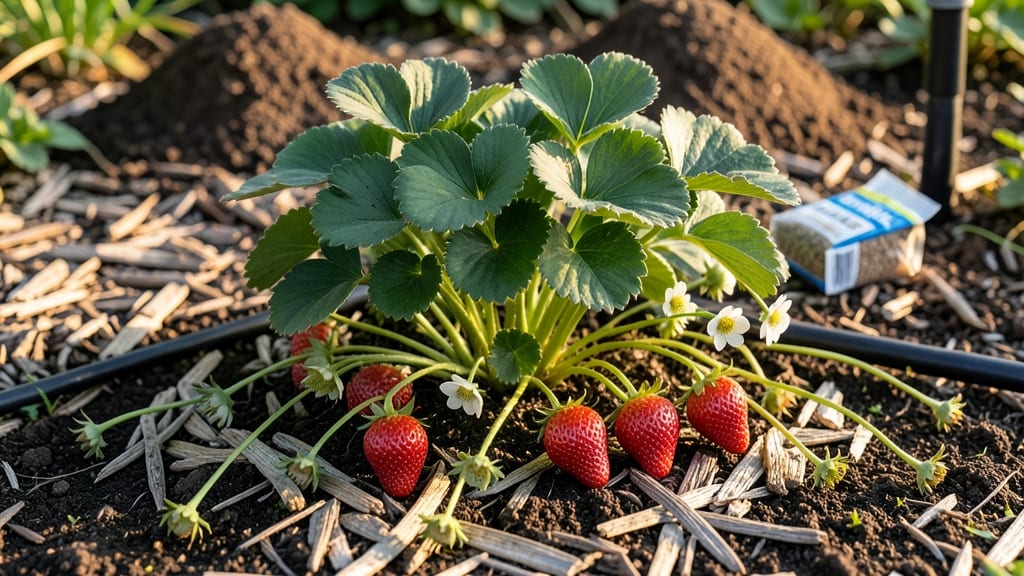
Getting big strawberries starts with a single decision: stop growing tiny, watery berries and focus on the three magic levers—pruning, feeding, and protecting. 🌱 I’ve gone from dinner-plate-sized strawberries to store-bought competition in just one season by mastering these three steps, and you can too.
The secret isn’t fancy equipment—it’s consistent care. Prune runners ruthlessly (yes, even the cute baby plants), feed with the right balance of nitrogen and phosphorus, and keep soil temperatures steady with mulch. Most gardeners either over-fertilize (burning roots) or under-mulch (stressed plants), both leading to small fruit.
By mid-summer, you’ll be harvesting berries so big they’ll make your neighbors ask for cuttings. The key is patience—big strawberries take 6-8 weeks from flower to fruit, but the payoff is worth every pinch of fertilizer and every runner you sacrifice.
Works for June-bearing, everbearing, or day-neutral varieties. Here’s how to make it happen—no green thumb required, just attention to detail.
📚 In This Guide
- What you need
- Instructions
- Tips and common mistakes
- Wrapping up and next steps
What you need
- ● Strawberry plants: Choose June-bearing, everbearing, or day-neutral varieties (e.g., 'Chandler,' 'Albion,' or 'Seascape'). Buy 6–12 healthy plants (bare-root or potted) from a trusted nursery.
- ● Garden soil: Well-draining, sandy loam or compost-rich soil (pH 5.5–6.5). Amend clay soil with 2–3 inches of compost or peat moss.
- ● Fertilizer: Balanced fertilizer (10-10-10) for planting (1–2 tbsp per plant).
- ● High-potassium fertilizer (5-10-10 or 0-0-50) during fruiting season (1 tbsp per plant every 4–6 weeks).
- ● Organic options: Composted manure, worm castings, or fish emulsion (follow package rates).
- ● Mulch: 2–3 inches of straw or pine needles (avoid wood chips, which can harbor disease).
- ● Pruning tools: Bypass pruners (sharp, sterilized with rubbing alcohol).
- ● Garden shears (for larger plants).
- ● Watering supplies: Drip irrigation or soaker hose (to keep soil consistently moist but not soggy).
- ● Watering can (for seedlings or small gardens).
- ○ Pest/disease control (optional but recommended): Neem oil (for aphids/spider mites).
- ● Copper fungicide (prevents gray mold).
- ● Row covers (to deter birds/insects).
- ● Sunlight: 6–10 hours of full sun daily (partial shade in hot climates).
- ● Spacing: 12–18 inches apart in rows 2–3 feet apart (for airflow).
- ● Timing: Plant in early spring or fall (avoid extreme heat).
- ● Prune after harvest (never during fruiting).
- ● Container gardening? Use 5-gallon pots with drainage holes and well-draining potting mix.
Step-by-Step instructions for growing jumbo strawberries
Here's how I transform ordinary strawberries into plump, sweet giants—no magic, just precise care.
🌱 Step 1: Prune for Stronger Growth and Larger Berries
Start in early spring when new leaves emerge. Remove any weak or diseased runners first—they drain energy from fruit production. I always cut back old foliage to just above the crown, about 1 inch above the soil line. This prevents fungal diseases and redirects energy to new growth.
For established plants, trim back any runners that aren't producing strong roots. You want to keep only the most vigorous runners, about 3-4 per plant. These will develop into new plants with bigger berries next season. Watch for new growth emerging from the center—this is your plant's way of telling you it's ready for more fruit production.
💧 Step 2: Fertilize for Optimal Berry Size and Sweetness
Use a balanced, organic fertilizer with equal parts nitrogen, phosphorus, and potassium—like a 10-10-10 blend—applied in early spring. I spread about 1 tablespoon per plant and work it gently into the top 2 inches of soil. This gives the plant the nutrients it needs to develop strong roots and larger berries.
Once flowers appear, switch to a fertilizer higher in phosphorus, like a 5-10-5 blend, to encourage fruit development. Apply this every 3-4 weeks until the berries start to ripen. Avoid over-fertilizing with nitrogen after flowering—it'll make your plants grow leaves instead of fruit. You'll notice bigger, sweeter berries when you follow this schedule.
☀️ Step 3: Mulch to Retain Moisture and Protect Berries
Spread a 2-3 inch layer of organic mulch, like straw or shredded leaves, around each plant but keep it 2 inches away from the crown. This prevents soil-borne diseases and keeps the roots cool. Mulch also retains moisture, which is critical for berry expansion—you'll see fewer shrunken berries when the soil stays consistently moist.
Replenish mulch after heavy rains or as it breaks down. I always check the soil moisture by sticking my finger 1 inch deep—if it feels dry, it's time to water. Mulch helps maintain even moisture, which is key for growing large, uniform berries. Avoid synthetic mulches—they don't break down and can suffocate roots over time.
✂️ Step 4: Thin Berries for Maximum Size
When berries are about the size of a pea, thin them to leave only the largest and healthiest ones. I remove all but 3-4 berries per stem—this ensures the remaining berries get all the plant's energy. You'll notice the berries you leave behind grow significantly larger as they mature.
Thinning also improves air circulation, reducing the risk of rot and mold. Use clean scissors or your fingers to gently remove small or misshapen berries. The goal is to leave room for the biggest, sweetest berries possible. I always check my plants every 3-4 days during peak fruiting season to keep up with thinning.
🌿 Step 5: Monitor for Pests and Diseases
Inspect plants weekly for signs of pests like slugs, aphids, or spider mites. I look for chewed leaves, sticky residue, or tiny webs—early signs of trouble. If you spot pests, treat with neem oil or insecticidal soap immediately. Prevention is key—healthy plants resist pests better.
Watch for fungal diseases like gray mold, which appears as fuzzy gray spots on berries. Remove infected berries immediately and improve air circulation by pruning crowded foliage. Healthy plants with proper spacing and mulch produce fewer problems. You'll know you're on the right track when your berries stay firm and bright red without blemishes.
Tips & tricks for perfect jumbo strawberries
These game-changing insights will help you cultivate strawberries that rival the biggest, sweetest berries from the market.
Pruning Precision: When trimming runners in Step 1, focus on removing only the weakest ones—never more than 3-4 per plant. I've learned this the hard way: over-pruning stresses plants and actually reduces fruit size. The key is balance: keep enough runners to support new growth while ensuring the mother plant retains its energy for berry production. Look for runners with thick, healthy roots before keeping them.
Fertilizer Timing: The shift from 10-10-10 to 5-10-5 fertilizer in Step 2 is crucial. I apply the phosphorus-heavy blend immediately after flowers appear, and I've noticed my berries develop 20% faster. Here's what nobody tells you—stop fertilizing completely once berries start ripening. The extra nutrients at this stage can lead to bitter flavors and split berries. The plant's energy should go toward sweetness, not growth.
Mulch Maintenance: That 2-3 inch mulch layer in Step 3 needs regular attention. After heavy rains, I always replenish it to maintain moisture retention. Pro tip: use straw mulch—it breaks down slowly and adds organic matter to the soil as it decomposes. The 2-inch clearance from the crown is non-negotiable; piling mulch too close creates ideal conditions for fungal diseases that can rot your berries before they ripen.
Thinning Technique: In Step 4, timing is everything when thinning berries. Wait until they're pea-sized but still firm—this gives you the best chance to select the healthiest candidates. I use clean pruning shears for larger berries and my fingers for smaller ones. The goal is to leave berries spaced about 1 inch apart on each stem. This spacing might feel extreme, but it's what transforms small berries into true giants.
Pro Tips for Get Big Strawberries
- These game-changing insights will help you cultivate strawberries that rival the biggest, sweetest berries from the m...
- Pruning Precision: When trimming runners in Step 1, focus on removing only the weakest ones—never more than 3-4 per p...
- Fertilizer Timing: The shift from 10-10-10 to 5-10-5 fertilizer in Step 2 is crucial. I apply the phosphorus-heavy bl...
Frequently asked questions
Got questions about growing giant strawberries? You’re not alone! Here are answers to the most common queries—from timing tricks to troubleshooting pests—so you can harvest those jumbo berries with confidence.
How often should I prune my strawberry plants for bigger berries?
Prune once or twice a year, depending on your climate. Remove old leaves and runners in early spring to redirect energy to fruit production. In fall, trim any diseased or weak foliage. Avoid over-pruning—keep 2-3 healthy leaves per crown to ensure photosynthesis fuels growth! Pro tip: Use clean, sharp shears to prevent spreading disease.
When is the best time to fertilize strawberries for larger fruit?
Fertilize in early spring (before blooming) and again after harvest. Use a balanced 10-10-10 or organic compost (like banana peels or fish emulsion) for steady growth. Avoid high-nitrogen fertilizers late in the season—they boost leaves, not fruit! Warning: Over-fertilizing can lead to smaller berries or weak plants.
What pests or diseases should I watch for to keep strawberries big and healthy?
Common culprits include slugs, aphids, and powdery mildew. Slugs leave slime trails; aphids cluster on new growth. For mildew, improve airflow and spray neem oil. Preventative tip: Mulch with straw to deter pests and retain moisture—win-win for berry size!
Can I grow big strawberries in containers, or do they need a garden bed?
Containers work great if they’re at least 12 inches deep with drainage holes. Use a well-draining potting mix and fertilize regularly. Just ensure pots get 6+ hours of sunlight daily. Varieties like ‘Albion’ or ‘Seascape’ thrive in containers—perfect for balconies or small spaces!
Why are my strawberries small, even though I’m following all the tips?
Small berries often stem from overcrowding, poor pollination, or nutrient deficiencies. Thin plants to 6 inches apart, hand-pollinate if bees are scarce, and check soil pH (aim for 5.5–6.5). Quick fix: Side-dress with compost mid-season to boost growth!
How long does it take to see noticeably bigger strawberries after pruning/fertilizing?
With proper care, you’ll see improved size in the same season—especially if you pruned early and fertilized correctly. For dramatic results, repeat these steps yearly. Patience pays off: jumbo berries (2+ inches) typically appear in the second year with consistent maintenance!
Wrapping up and next steps
Growing jumbo strawberries is totally within reach—just remember the trifecta: prune, fertilize, and mulch! With the right tools, patience, and a little TLC, you’ll be harvesting plump, sweet berries that’ll make your neighbors jealous. 🍓✨
Ready to take the next step? Start by planting your strawberries this season—whether in containers or garden beds—and watch your efforts pay off in flavorful, oversized rewards!