
Blooming
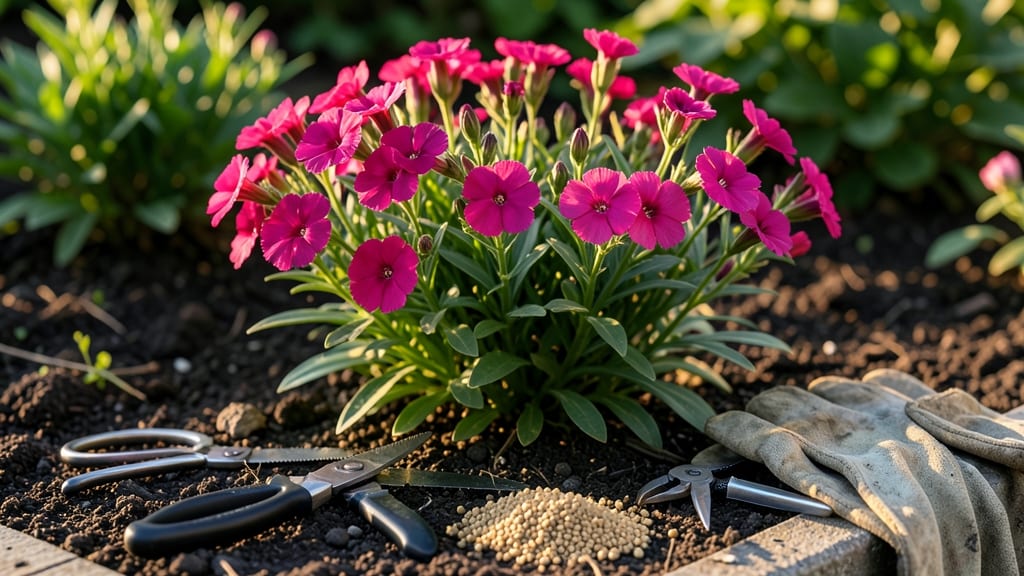
How to get dianthus to bloom more drives me nuts—until I discovered these three game-changers. 🌸 The key isn’t just more water or fertilizer, but timing, pruning, and sunlight tricks that turn your plants into nonstop flowering machines. My once-lazy dianthus now bursts with color from spring to frost, and I’ll show you exactly how to replicate that.
Most gardeners overlook pruning, but cutting back after blooms forces fresh growth—and more flowers. Pair that with a balanced fertilizer (not too heavy on nitrogen) and six hours of daily sun, and you’ll see the difference in weeks.
I’ve even revived struggling plants with these adjustments, and the results are shockingly lush.
By deadheading spent blooms religiously and feeding at the right times, you’ll trigger a second flush of flowers. The secret weapon? A mid-summer trim to reset growth before fall. Your dianthus won’t just survive—it’ll thrive, with blooms so dense they’ll make neighbors ask for cuttings.
Works for both perennial and annual varieties, in containers or garden beds. The only requirement? Consistency. Let’s turn those sparse stems into a floral explosion.
📚 In This Guide
- What you need
- Instructions
- Tips and common mistakes
- Wrapping up and next steps
What you need
- ● Dianthus plants – Healthy, established plants (choose Dianthus barbatus for annuals or Dianthus gratianopolitanus for perennials).
- ● Well-draining potting mix or garden soil – Amend with 50% perlite or sand to prevent root rot (1 part potting mix to 1 part amendment).
- ● Balanced, slow-release fertilizer – Look for a 10-10-10 or 20-20-20 NPK ratio (2–3 tbsp per plant or per 10 sq ft).
- ● Pruning shears or sharp scissors – Clean and sterilized to avoid disease (rubbing alcohol wipe works!).
- ● Watering can or hose with a gentle spray nozzle – Avoid soaking the foliage to prevent fungal issues.
- ● Sunlight access – A spot with 6+ hours of direct sun daily (south- or west-facing is ideal).
- ● Bloom-boosting fertilizer – Fish emulsion (5-5-5) or bloom-specific formula (e.g., Miracle-Gro Bloom Booster) for extra color.
- ● Mulch (gravel or pine straw) – 1–2 inches thick to retain moisture and regulate soil temp.
- ● Epsom salt (magnesium sulfate) – 1 tbsp per gallon of water monthly for lush foliage and blooms.
- ● Garden gloves – Protect your hands from thorns (some varieties are prickly!).
- ● Grow lights (for indoor Dianthus) – LED full-spectrum bulbs (12+ hours/day) if natural light is limited.
Step-by-Step instructions for encouraging dianthus to bloom more
Here's the method I've used to turn finicky dianthus into blooming machines—no fancy tricks, just science-backed care.
☀️ Step 1: Position for Maximum Sunlight Exposure
Dianthus thrives in full sun—at least 6-8 hours daily—but too much midday heat can scorch delicate petals. I plant mine in morning sun with afternoon shade during peak summer months. If your climate has intense afternoon sun, use a light shade cloth (30-50%) during the hottest hours.
Watch for wilted or crispy leaves—this is your signal to adjust placement. If blooms appear sparse, move the plant to a sunnier spot immediately. The key is bright, indirect light when temperatures exceed 85°F. Dianthus also benefits from reflective surfaces (like white gravel or light-colored walls) that bounce extra light onto the plants.
✂️ Step 2: Prune Strategically After Each Blooming Cycle
Cut back spent blooms to the first set of healthy leaves below the flower head using clean, sharp pruners. This encourages the plant to redirect energy into producing new side shoots rather than setting seed. I always make cuts at a 45-degree angle just above a leaf node to prevent water from pooling and causing rot.
For woody-stemmed varieties, prune back one-third of the oldest stems in early spring before new growth begins. This rejuvenates the plant and prevents overcrowding. Never prune more than 30% of the plant at once—this stresses dianthus and can reduce flowering. After pruning, give the plant a light application of balanced fertilizer to support new growth.
💧 Step 3: Water Deeply but Infrequently
Dianthus detests soggy roots, so water deeply once a week (or when the top 2 inches of soil feel dry). I use a soaker hose to deliver moisture slowly at the base, avoiding wet foliage. Overhead watering encourages fungal diseases like powdery mildew, which can stunt blooming. Water in the early morning so leaves dry quickly.
For container-grown dianthus, ensure pots have drainage holes and use a well-draining potting mix. Let the soil dry out completely between waterings—wilting leaves are normal and indicate the plant is ready for hydration. Mulch around the base with 1-2 inches of gravel or coarse sand to prevent soil moisture loss and keep roots cool.
🌿 Step 4: Feed with the Right Nutrients at Critical Times
Apply a balanced, slow-release fertilizer (10-10-10) in early spring as new growth emerges. This provides steady nutrients without burning the plant. I also use a low-nitrogen, high-phosphorus fertilizer (5-10-10) when buds form to encourage blooming. Avoid high-nitrogen fertilizers—they promote leafy growth at the expense of flowers.
Every 4-6 weeks during the growing season, top-dress with compost or well-rotted manure to improve soil fertility naturally. Dianthus responds well to liquid seaweed extract (every 3-4 weeks) for micronutrients that boost flower production. Stop fertilizing 6-8 weeks before the first frost to allow the plant to harden off for winter.
⏰ Step 5: Deadhead and Extend the Blooming Season
Pinch off fading blooms daily during peak season to prevent seed formation. This redirects the plant’s energy into producing new flowers instead of seed heads. I also remove any yellow or diseased leaves immediately—they harbor pathogens that can spread and reduce blooming.
For a longer blooming window, plant dianthus in succession (every 3-4 weeks in spring and early summer). This ensures a continuous display of color. In fall, leave spent blooms on the plant if your climate is mild—they add winter interest and may rebloom in spring. If frost is imminent, cut back stems to 2-3 inches and protect the base with mulch for winter.
Tips & tricks for encouraging dianthus to bloom more
These science-backed tricks will transform your dianthus from occasional bloomers to continuous floral showstoppers.
Light Strategy: The 6-8 hours of sunlight requirement is non-negotiable for blooming, but here's the secret: position your plants where they receive morning sun and afternoon shade during summer's peak heat. If you notice crispy leaf edges, it's a clear sign your dianthus is getting too much midday sun. I've found that using a 30-50% shade cloth during the hottest hours (typically 11 AM to 3 PM) prevents scorching while still providing enough light for photosynthesis. For container plants, rotate them weekly to ensure even light exposure on all sides.
Pruning Precision: When you're cutting back spent blooms in Step 2, make sure your pruners are clean and sharp to avoid damaging the plant. The 45-degree angle cut just above a leaf node is crucial—this prevents water from pooling at the cut site, which can lead to rot. For woody varieties, I recommend pruning no more than one-third of the oldest stems at a time. This might seem counterintuitive, but it actually stimulates more vigorous new growth. After pruning, I always give the plant a light application of balanced fertilizer to support its recovery and encourage new blooms.
Watering Wisdom: The once-weekly deep watering rule is perfect for most climates, but your dianthus might need adjustments based on your local conditions. I've learned that container plants often need more frequent watering than in-ground ones because their soil dries out faster. When checking soil moisture, use your finger to feel the top 2 inches—if it's dry, that's your cue to water. The early morning timing is critical because it allows leaves to dry completely before evening, reducing the risk of fungal diseases that can stunt blooming.
Fertilizer Timing: The 10-10-10 balanced fertilizer in early spring and the 5-10-10 low-nitrogen, high-phosphorus fertilizer when buds form are the perfect combination for encouraging blooms. Here's a pro tip: I've found that applying a thin layer of compost around the base of the plant every 4-6 weeks provides a steady supply of nutrients without the risk of over-fertilizing. For an extra boost, liquid seaweed extract every 3-4 weeks gives your dianthus the micronutrients it needs to produce vibrant, long-lasting blooms. Remember to stop fertilizing 6-8 weeks before the first frost to allow the plant to prepare for winter.
Pro Tips for Get Dianthus To Bloom More
- These science-backed tricks will transform your dianthus from occasional bloomers to continuous floral showstoppers.
- Light Strategy: The 6-8 hours of sunlight requirement is non-negotiable for blooming, but here's the secret: position your plants where they receive morning sun and afternoon shade during summer's peak heat.
- Pruning Precision: When you're cutting back spent blooms in Step 2, make sure your pruners are clean and sharp to avoid damaging the plant.
Frequently asked questions
Got questions about coaxing more blooms from your dianthus? Here are some of the most common ones—and their answers!
Whether you're troubleshooting a lackluster display or just curious about timing, we’ve got you covered.
Why isn’t my dianthus blooming, even with full sun?
Dianthus thrives in 6+ hours of sunlight, but blooms may still lag due to overcrowding, poor soil, or too much nitrogen (which fuels leaves over flowers). Prune spent blooms, ensure well-draining soil, and use a low-nitrogen, high-phosphorus fertilizer (like 5-10-5) to encourage flowering.
When is the best time to prune dianthus for more blooms?
Prune right after the first flush of blooms fades (spring or early summer) to stimulate new growth. Avoid heavy pruning in fall—just trim dead foliage. For perennial varieties, a light spring cleanup keeps them tidy and blooming longer.
Can I grow dianthus in containers for better blooms?
Containers improve drainage and make it easier to control soil quality—key for dianthus. Use a mix of potting soil and perlite, and choose a pot with drainage holes. Deadhead regularly, and move containers to bright, indirect light in hot afternoons to prevent stress.
What should I do if my dianthus blooms but then stops suddenly?
Sudden bloom cessation often signals heat stress, thirst, or over-fertilization. Check soil moisture (keep it evenly moist but not soggy), move plants to morning sun + afternoon shade in extreme heat, and avoid fertilizing during blooming season. A light trim can also encourage reblooming.
Are there any easy alternatives to dianthus for low-maintenance blooms?
If dianthus feels finicky, try sweet alyssum, petunias, or snapdragons—they’re forgiving and bloom prolifically with minimal effort. For drought-tolerant options, consider lavender or sedum. Just ensure they get good drainage and occasional deadheading!
Wrapping up and next steps
With the right care, your dianthus can burst into nonstop color—think vibrant blooms from spring to frost! 🌸 Remember: prune wisely, feed consistently, and soak up that sunlight (but avoid scorching). Small tweaks—like deadheading or adjusting soil—make a big difference.
Now that you’re armed with tips, roll up your sleeves and give your plants some love! Start with just one trick this week—maybe a deep watering or a trim—and watch your garden transform. Happy blooming! 🌿✨