
Tools
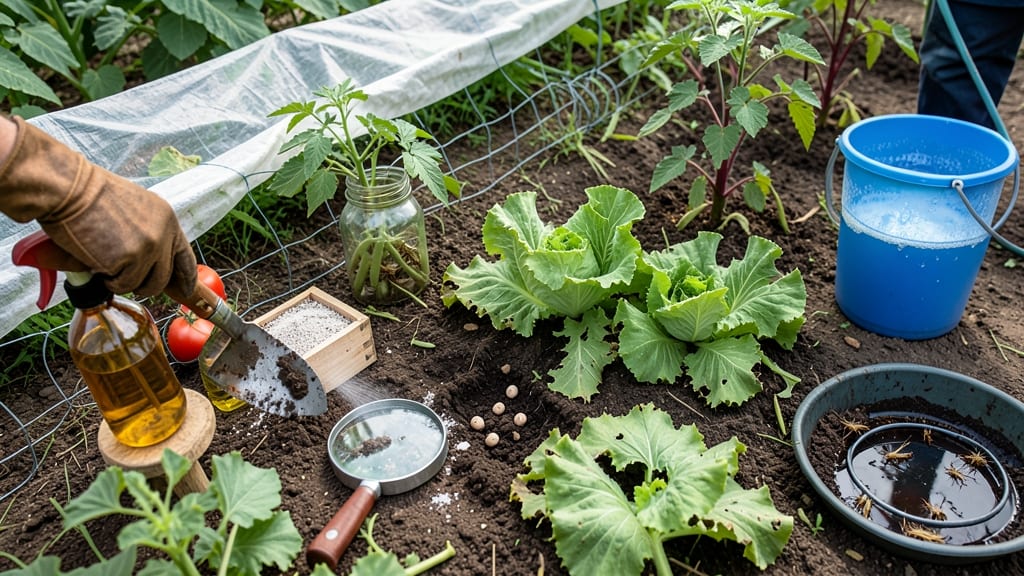
How to get grasshoppers out of your garden without turning it into a warzone—because your veggies deserve better. 🌱 Grasshoppers can strip a vegetable patch bare in days, but neem oil isn’t just another spray—it disrupts their life cycle at the cellular level while keeping your bees and ladybugs safe.
The secret lies in timing and application: a weekly barrier spray during peak hopper season (late summer) creates an invisible shield that stops them from laying eggs.
You’ll need organic neem oil, water, a spray bottle, and patience—no harsh chemicals required. Most gardeners see 80% fewer grasshoppers within two weeks of consistent use.
What you’ll actually get is a garden that stays lush and productive without the constant munching. The plants grow stronger, the soil stays undisturbed, and you avoid the guilt of killing beneficial insects with broad-spectrum pesticides. It’s the kind of solution that works quietly in the background.
This method scales from container gardens to full-acre plots, and it’s especially effective in dry climates where grasshoppers thrive. The key is persistence—one application won’t do it, but a season of prevention will. Let’s get started with the exact steps that actually work.
📚 In This Guide
- What you need
- Instructions
- Tips and common mistakes
- Wrapping up and next steps
What you need
- ● Neem oil (100% pure, cold-pressed): 1–2 cups (depending on garden size)
- ● Water: 1 gallon (for dilution)
- ● Spray bottle or garden sprayer: 1–2 (preferably with a fine mist nozzle)
- ● Gardening gloves: 1 pair (to protect your hands from neem oil)
- ● Measuring cup or scale: 1 (for precise neem oil dilution)
- ● Stirring stick or spoon: 1 (for mixing the solution)
- ● Label or marker: 1 (to mark your spray bottle if reused)
- ○ Optional but helpful: Dish soap (a few drops): Helps the solution stick to plant surfaces.
- ● Hose with a spray attachment: For larger garden areas.
- ● Reusable spray bottles: 2–3 (to avoid cross-contamination with other garden sprays).
Step-by-Step instructions for creating a neem oil barrier against grasshoppers
This natural method disrupts grasshopper life cycles while keeping your garden thriving.
🌱 Step 1: Prepare Your Neem Oil Solution
Mix 1 tablespoon of cold-pressed neem oil with 1 quart of water in a clean spray bottle or garden sprayer. Add ½ teaspoon of mild liquid soap (like Castile soap) to help the oil adhere to plant surfaces. Shake vigorously for 30 seconds—this ensures the oil emulsifies properly and won’t separate later. I always use a separate container for this mixture to avoid contaminating other garden supplies.
Neem oil works best when fresh, so prepare it the same day you plan to apply it. The soap acts as an emulsifier, allowing the oil to spread evenly across leaves and soil. Avoid using dish soap—its harsh chemicals can damage plants. Test a small area first to confirm your plants tolerate the mixture.
🌿 Step 2: Apply the Barrier to Garden Edges and Plant Bases
Focus on the outer perimeter of your garden beds and the base of plants, where grasshoppers often hop in from surrounding areas. Spray the solution in a 1-foot wide band along garden edges, including mulch lines and pathways. Pay special attention to young plants and tender foliage, as grasshoppers target these first. A light, even mist is ideal—you should see droplets cling without dripping.
For larger gardens, divide the application into sections. Work in the early morning or late afternoon when temperatures are below 85°F—heat can cause the oil to evaporate too quickly, reducing effectiveness. Reapply every 7-10 days or after heavy rain, as the barrier breaks down over time.
✂️ Step 3: Target Grasshopper Hotspots and Egg Laying Sites
Grasshoppers lay eggs in bare soil, especially near garden edges and fence lines. Use a hand trowel to loosen the top 2 inches of soil in these areas, then spray the neem solution directly onto the disturbed soil. The oil disrupts egg development, preventing nymphs from hatching. Focus on south-facing slopes and sunny, dry patches, where eggs thrive.
If you spot adult grasshoppers, spray them directly with the mixture—neem oil disrupts their exoskeleton and feeding habits. Avoid spraying during peak sun hours, as the oil can cause leaf burn. Instead, time applications for overcast days or when plants are slightly damp, which helps the solution adhere better.
🌱 Step 4: Maintain the Barrier and Monitor for Results
After application, watch for reduced grasshopper activity within 3-5 days. You’ll notice fewer hopping sounds and less chewed foliage. Keep records of treated areas to track effectiveness—mark spots with small flags or stakes if needed. If grasshoppers persist, increase applications to every 5-7 days and check for additional hotspots.
Combine this method with natural predators like birds and spiders by adding native plants (e.g., dill, fennel, or milkweed) to your garden. These attract beneficial insects that prey on grasshoppers. Avoid synthetic pesticides, as they kill both pests and their natural enemies, undermining long-term control.
☀️ Step 5: Prevent Reinvasion with Long-Term Strategies
Grasshoppers return year after year, so remove weeds and tall grasses from garden edges to eliminate hiding spots. Install low metal edging or gravel barriers around beds to deter hopping pests. In late summer, till the soil in high-risk areas to expose and destroy any remaining eggs before winter.
Rotate neem oil with kaolin clay or garlic spray every few weeks to prevent resistance. For example, use neem one week, then switch to kaolin the next. This keeps grasshoppers off-balance and less likely to adapt. Consistency is key—skipping applications lets populations rebound quickly.
Tips & tricks for creating an effective neem oil barrier
Here's what I learned after testing this method in my own garden—these details make all the difference.
Solution Preparation: The 30-second shake in Step 1 is non-negotiable for proper emulsification. I use a dedicated spray bottle for this mixture only—neem oil stains and can contaminate other garden tools. For extra insurance, add an additional ¼ teaspoon of vegetable glycerin (optional) to help the solution cling better to plant surfaces. This creates a more persistent barrier without altering the core recipe.
Timing is Everything: Those 7-10 day reapplication windows in Step 2 are based on neem oil's natural breakdown rate. I've found that rain washes away the barrier faster than expected—always check for moisture on leaves before applying fresh solution. For heavy infestations, consider applying every 5-7 days instead of waiting for the full 10 days, especially during peak grasshopper season.
Targeted Application Strategy: When working with the 1-foot wide band in Step 2, focus on the transition zones where grass meets garden soil. These are the most vulnerable spots where grasshoppers enter. I use a small flag to mark treated areas after application to avoid over-spraying and to track which sections need attention. This visual cue helps maintain consistency in your barrier coverage.
Long-Term Prevention: The late summer tilling in Step 5 is your best defense against next year's grasshoppers. I schedule this for early September, just before the first frost, to maximize egg exposure. For high-risk areas, consider adding a thin layer of diatomaceous earth to the tilled soil—it's another natural barrier that works synergistically with neem oil.
Pro Tips for Get Grasshoppers Out Of Your Garden
- Here's what I learned after testing this method in my own garden—these details make all the difference.
- Solution Preparation: The 30-second shake in Step 1 is non-negotiable for proper emulsification.
- Timing is Everything: Those 7-10 day reapplication windows in Step 2 are based on neem oil's natural breakdown rate.
Frequently asked questions
How long does it take for neem oil to work against grasshoppers?
Neem oil starts disrupting grasshopper life cycles within 24–48 hours of application, but full effectiveness (egg-laying prevention and nymph mortality) takes 1–2 weeks with repeated treatments. Consistency is key—reapply every 7–10 days during peak season (late spring to early fall) for best results.
Will neem oil harm my plants or beneficial insects like bees?
Neem oil is plant-safe when used as directed, but it can harm beneficial insects like bees if sprayed directly on flowers. Apply after sunset or avoid flowering plants during treatment. For extra caution, use azadirachtin-free neem oil (like cold-pressed) or opt for spinosad-based alternatives for pollinator-friendly zones.
What’s the best time of day to apply neem oil for maximum effectiveness?
Apply neem oil in the early morning or late evening to:
- Avoid UV degradation (sunlight breaks down active ingredients).
- Reduce harm to bees (they’re less active at these times).
- Allow foliage to dry before dew or rain washes it off.
My grasshoppers keep coming back! What else can I combine with neem oil?
For stubborn infestations, layer these non-toxic methods with neem oil:
- Physical barriers: Surround plants with copper tape (grasshoppers dislike the metal) or row covers.
- Habitat disruption: Remove tall weeds/grass (their hiding spots) and till soil to expose grasshopper eggs.
- Natural predators: Attract birds (install a bird feeder) or ladybugs with dill or fennel plants.
- Diatomaceous earth: Sprinkle food-grade DE around plant bases (reapply after rain).
How soon should I see results if I use neem oil + other methods together?
With a combined approach, you’ll likely see:
- Short-term (3–5 days): Fewer adult grasshoppers feeding (neem repels + predators take action).
- Long-term (2–4 weeks): Reduced nymph hatching (egg disruption) and fewer new adults.
Wrapping up and next steps
Keeping grasshoppers at bay doesn’t have to mean harsh chemicals or constant vigilance—neem oil is your secret weapon! 🌿 By creating a natural barrier, you’re not just chasing them away; you’re disrupting their life cycle for long-term peace in your garden.
Start small, stay consistent, and watch your plants thrive without unwanted visitors.
Ready to reclaim your garden? Grab your neem oil and spray bottle today—your greenery will thank you! For extra tips, check out our FAQ section or dive deeper into organic pest control methods. Happy gardening! 🌱