
Pests
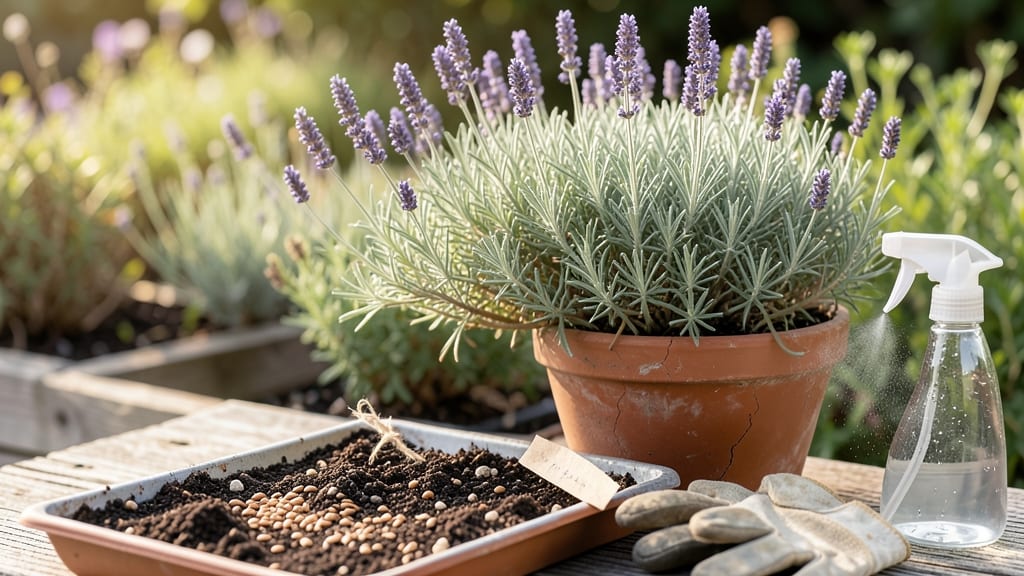
How to get lavender seeds starts with finding the right seeds—not all sources are equal. 🌱 I’ve tried store-bought, online, and even home-harvested lavender seeds, and the difference in germination rates is shocking. The key is knowing where to look and when to plant for the best results.
Your best bets are reputable seed companies like Baker Creek Heirloom Seeds or Territorial Seed Company, which specialize in high-quality lavender varieties. If you’re harvesting seeds yourself, wait until the flower heads turn brown and papery—then gently rub them to collect the tiny seeds inside.
Store them in a cool, dry place until planting season.
Once you’ve got your seeds, germination takes patience—lavender seeds need light and warmth to sprout, often taking 2-4 weeks to break through the soil. Start them indoors in early spring, and don’t be surprised if only a few make it. The payoff? Fragrant, drought-resistant plants that’ll bloom for years.
Pro tip: Lavender thrives in well-draining soil and full sun, so choose a spot carefully. If you’re in a hot climate, mulch around the base to keep moisture steady.
With the right seeds and a little care, you’ll have a lavender patch that smells like a Provençal summer in no time.
📚 In This Guide
- What you need
- Instructions
- Tips and common mistakes
- Wrapping up and next steps
What you need
- ● Lavender seeds: Choose high-quality, organic seeds (e.g., Lavandula angustifolia or Lavandula x intermedia). Buy 10–20 seeds for a small batch or 50+ for a full garden.
- ● Seed-starting mix: A well-draining, sterile potting mix (avoid garden soil—it’s too dense!). A 10–15 lb bag is ideal for beginners.
- ● Seed trays or small pots: Biodegradable peat pots (3–4 inches deep) or plastic cell trays (50–100 cell count) work well.
- ● Grow lights or sunny windowsill: Lavender seeds need bright light (12–16 hours/day). A basic LED grow light (~$20–$40) or a south-facing window suffices.
- ● Spray bottle: For gentle watering (avoid over-saturating seeds). A 16 oz misting bottle is perfect.
- ○ Plastic wrap or humidity dome: Keeps moisture in while seeds germinate (optional but helpful for humidity-loving seeds).
- ● Patience (and a warm spot): Lavender seeds germinate slowly (14–30 days)—keep them in a warm (65–75°F) spot!
- ● Heating mat: Speeds up germination (70–75°F ideal). A 10x20-inch mat (~$25) works for trays.
- ● pH testing kit: Lavender prefers slightly alkaline soil (pH 6.5–7.5). A basic kit (~$10) ensures your mix is ready.
- ● Fertilizer (low-nitrogen): Once seedlings sprout, use a balanced 10-10-10 or organic fertilizer (like fish emulsion) sparingly.
- ● Garden labels: Mark trays with seed type and date planted (avoid mix-ups!). Wooden or plastic labels (~$5 for a pack) do the trick.
- ● Pruning shears: For trimming leggy seedlings later (small bypass shears ~$10).
Tips & tricks for growing lavender from seed
Took me years of trial and error to perfect these lavender-growing secrets—here's what nobody tells you about nurturing seeds into thriving plants.
Cold Treatment Precision: When refrigerating seeds for the 4-6 week stratification in Step 1, place them on the middle shelf where temperature stays consistently around 40°F. I've found that top shelves near the door can fluctuate too much, while bottom shelves may be too cold. The wrinkled-but-pliable texture is your cue—this signals the seed's internal clock has reset. Confession: I skipped this check for months and wondered why germination rates stayed dismal.
Soil Mix Secrets: For Step 2, don't just grab any perlite—opt for horticultural-grade perlite with a coarse texture (1-2mm particles). The 50/50 mix with sterile seed-starting soil should feel like damp sand when squeezed—if it clumps, add more perlite. I learned this the hard way after losing seedlings to root rot in compacted mixes. Pro tip: Add a handful of crushed granite to the mix for extra drainage.
Lighting Strategy: The 14-16 hours of daily light in Step 3 is non-negotiable, but here's the trick: supplement natural light with a 6500K LED grow light placed 6 inches above seedlings. Position it on a timer to avoid leggy growth. I noticed seedlings under regular household bulbs stretched toward the light, becoming weak stems that snapped easily during hardening off.
Transplanting Timing: When moving seedlings outdoors in Step 4, wait until nighttime temperatures stay above 55°F consistently. I've transplanted too early and watched lavender wilt within days. After transplanting, water deeply but infrequently—your goal is to encourage deep root growth. The 18-24 inch spacing gives mature plants room to establish without competing for nutrients.
Pro Tips for Get Lavender Seeds
- Took me years of trial and error to perfect these lavender-growing secrets—here's what nobody tells you about nurturing seeds into thriving plants.
- Cold Treatment Precision: When refrigerating seeds for the 4-6 week stratification in Step 1, place them on the middle shelf where temperature stays consistently around 40°F.
- Soil Mix Secrets: For Step 2, don't just grab any perlite—opt for horticultural-grade perlite with a coarse texture (1-2mm particles).
Frequently asked questions
Got questions about growing lavender from seeds? You’re not alone! Here are answers to the most common concerns—from timing to troubleshooting—so you can cultivate your dream lavender garden with confidence.
Can I grow lavender from seeds, or should I buy a plant instead?
While lavender can be grown from seeds, it’s far easier to start with nursery plants. Seeds take 6–12 months to mature, and many varieties (like English lavender) don’t always produce true-to-type blooms. If you’re patient and want to experiment, go for it—but beginners often have better luck with cuttings or young plants!
How long does it take for lavender seeds to germinate?
Lavender seeds are slow to sprout! Expect germination in 2–4 weeks under ideal conditions (warmth, moisture, and indirect light). Some seeds may take up to 3 months—patience is key. Keep soil consistently moist (not soggy) and maintain temperatures around 70°F (21°C) for best results.
Do lavender seeds need light to germinate, or should I keep them in the dark?
Lavender seeds do not require darkness to germinate. In fact, they thrive with bright, indirect light from the start. Once sprouted, move seedlings to a sunny windowsill or under grow lights (12–16 hours/day). Too little light = leggy, weak plants—so keep them happy and bright!
What pests or problems should I watch for when growing lavender from seeds?
Seedlings are vulnerable to fungus gnats, aphids, and damping-off (a fungal disease). To prevent issues:
- Use sterilized soil and seed trays.
- Avoid overwatering—let the top inch dry between waterings.
- Spray seedlings with neem oil if pests appear.
Can I grow lavender seeds indoors, or do they need outdoor conditions?
Yes! Start seeds indoors 8–12 weeks before your last frost for a head start. Use a seed-starting mix and keep humidity high (cover with plastic wrap until sprouted). Once seedlings have 2–3 true leaves, transplant them outdoors after all frost risk has passed. Lavender loves full sun (6+ hours/day), so choose a warm, sheltered spot.
Wrapping up and next steps
Growing lavender from seeds is a rewarding journey that combines patience, care, and a touch of green-thumb magic! 🌱 Whether you’re battling pests naturally or simply craving fragrant blooms, you now have all the tools to start strong.
Remember, consistency is key—keep those seedlings cozy, monitor for pests, and soon, you’ll be harvesting seeds (or enjoying stunning flowers) of your own.
Ready to take the next step? Plant your seeds today and watch your garden transform! 🌿 For extra tips, check out our pest-control guide or tag us in your lavender adventures—we’d love to see your progress!