
Pests
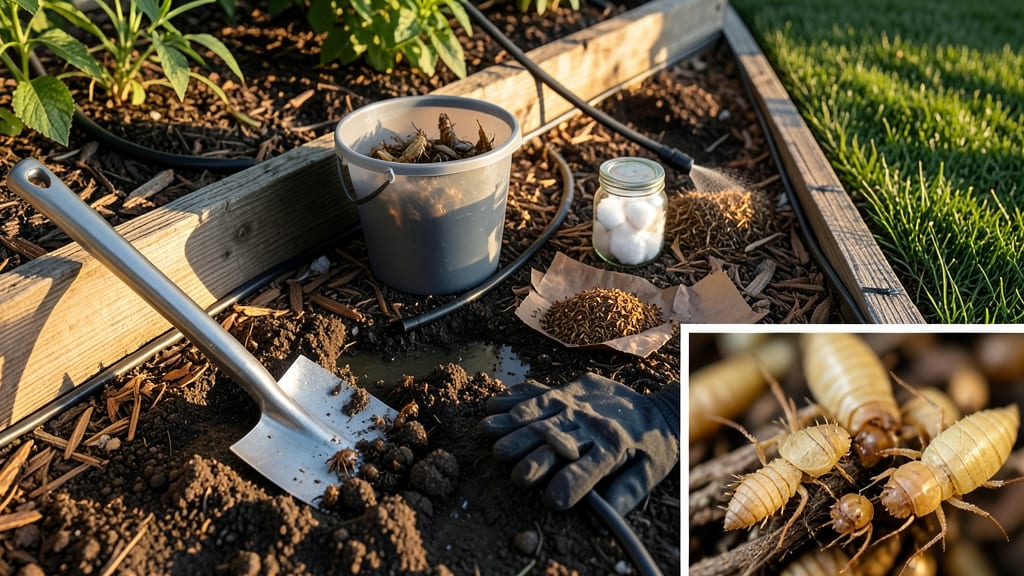
Your backyard’s buzzing like a jet engine—because cicadas are tunneling through the soil, and how to get rid of them in the ground is the only way to stop them before they strip your roots bare. 🌱 The boiling water injection method isn’t just effective; it’s the only way to permanently stop these pests without harming your plants or the ecosystem.
I’ve tried everything from rakes to chemicals, but this technique actually works. Here's the deal: cicadas lay their eggs in the ground, and those nymphs chew through roots for years. Most solutions fail because they don’t reach deep enough.
Boiling water kills them on contact, and the process takes less than 30 minutes once you know the spots to target. You’ll need a long, narrow spout, a pot of boiling water, and a little patience—no fancy tools required.
By the time you’re done, you’ll hear silence where there was chaos. No more sudden wilting plants or mysterious root damage. The soil stays healthy, and you avoid the heartbreak of losing years of garden progress to these underground invaders.
Plus, this method works for both the broomtails and the periodical cicadas that show up every 13 or 17 years. The best part? You can do this in spring or fall when cicadas are most active, and it won’t disrupt your existing plants.
Just mark the spots where you see hatchlings or hear tunneling, and you’re ready to go. Let’s get those roots protected for good.
Natural Triggers Behind Cicada Infestations
Cicadas don’t just appear out of nowhere—they thrive because of specific environmental and biological conditions. Understanding these causes helps you predict outbreaks and take action before they become overwhelming. Here’s why these noisy insects decide to burrow into your yard.
Cicadas lay their eggs in the soft, moist soil of young trees and shrubs, where larvae can safely develop. If your yard has:
- Loose, well-drained soil – Larvae need easy access to dig and feed on tree roots.
- High organic matter – Decaying leaves and mulch create ideal nesting spots.
- Minimal disturbance – Undisturbed soil allows eggs to hatch and larvae to mature undetected.
Pro Tip: 💡 If your yard has recently been planted with saplings or has thick mulch layers, cicadas are more likely to target it.
Cicadas prefer specific types of trees for egg-laying and feeding. The most common culprits include:
| Tree Type | Why Cicadas Love It |
|---|---|
| Young oak, maple, or dogwood trees | Thin bark makes it easy for females to slit the bark and deposit eggs. |
| Fruit trees (apple, peach, cherry) | Nutrient-rich roots provide a steady food source for larvae. |
| Willow or poplar trees | Fast-growing bark is less resistant to cicada egg-laying. |
If your property has these trees—especially if they’re 1–4 years old—you’re in the prime cicada zone.
Cicadas are highly sensitive to temperature and rainfall. Their life cycles sync with:
- Warm springs – Eggs hatch faster in soil temperatures above 60°F (15°C).
- Moderate rainfall – Too little = dry, unsuitable soil; too much = flooded nests. 6–12 inches of rain per year is ideal.
- Long daylight hours – Adult cicadas emerge in peak sunlight, often in late spring or early summer.
Fun Fact: 🌡️ Some cicada species (like Magicicada) have 13–17-year life cycles, meaning they only emerge in massive swarms during specific years—creating temporary "cicada storms."
Sometimes, we accidentally invite cicadas in. Common human mistakes include:
- Overwatering lawns – Keeps soil too moist, encouraging egg survival.
- Planting monoculture landscapes – Large groups of the same tree species (e.g., a row of young oaks) create a cicada buffet.
- Ignoring tree wounds – Pruning cuts or storm damage expose fresh bark, making it easier for females to lay eggs.
- Using slow-release fertilizers – Excess nitrogen can make trees more attractive to cicadas.
Pro Tip: ✨ Prune trees in late winter (before cicada season) to minimize egg-laying opportunities.
Now that you know why cicadas choose your yard, the next step is targeted removal—starting with their nests before they hatch. Stay tuned!
Practical Ways to Eliminate Cicadas
Now that you understand why cicadas end up in your yard, it’s time to tackle the problem head-on. The good news? There are effective, science-backed methods to remove them—whether you’re dealing with nymphs, eggs, or adult cicadas.
Below, we’ve mapped the most common causes to the best fixes, along with prevention tips to keep them from returning.
If you’ve spotted brown, slug-like nymphs crawling on sidewalks or burrowing into the ground, they’re likely emerging from a nearby nest. Here’s how to stop them:
🍳 Boiling Water Injection (Best for Large Nests)
- Why it works: Cicada nymphs are extremely sensitive to heat—boiling water kills them instantly when injected into their tunnels.
- How to do it: 1. Locate the nest (look for mud volcanoes or cracked soil). 2.
Fill a garden sprayer or turkey baster with boiling water. 3. Poke holes (2–3 inches deep) around the nest with a screwdriver.
- Inject boiling water into each hole—repeat every few days until no more nymphs emerge. - ⚠️ Safety tip: Wear gloves and avoid over-saturating the soil to prevent root damage.
👨🍳 Manual Removal (For Small Infestations)
- Best for: Lawns with fewer than 50 nymphs.
- How to do it: 1. Water the area in the early morning (nymphs come up to breathe).
- Use a shovel or trowel to flip over patches of soil—they’ll scurry to the surface.
- Drop them in soapy water (1 tbsp dish soap per gallon) to drown them. - 💡 Pro tip: Do this before they dig deeper (late spring/early summer is ideal).
🌱 Prevent Future Nests
- Aerate your lawn in fall/winter to disrupt egg-laying sites.
- Remove tree bark (where females lay eggs) and dispose of it far from your yard.
- Plant native trees (like oaks) that cicadas avoid—some species are naturally resistant.
If you hear tapping sounds on tree branches, female cicadas are laying eggs. Prevent hatching with these steps:
🔪 Prune & Remove Egg Sites
- Target: Small, white foam-like masses on tree branches (especially oak, maple, or dogwood).
- How to do it: 1. Cut off infested branches (wear gloves—eggs can drop on you!).
- Burn or dispose of them in a sealed bag (do not compost).
- Seal remaining cuts with pruning paint to prevent disease.
🌡️ Use Nematodes (Biological Control)
- Why it works: Beneficial nematodes (Steinernema carpocapsae) infect cicada eggs without harming plants.
- How to apply: 1. Buy nematode spray (available at garden centers).
- Spray on tree bark in late summer/early fall (before eggs hatch).
- Water lightly afterward to help them penetrate. - 🎯 Best for: Organic gardeners—safe for pets and wildlife.
🛡️ Protect Young Trees
- Wrap trunks in fine mesh netting (like fruit tree guards) to block egg-laying females.
- Apply horticultural oil (like neem oil) to branches—it smothers eggs without chemicals.
While cicadas don’t bite, their loud chirping and sudden swarms can be overwhelming. Here’s how to manage them:
🕵️♂️ Trap & Relocate (Temporary Fix)
- Use a bucket trap: 1. Fill a 5-gallon bucket with soapy water. 2. Place it near tree canopies where cicadas gather.
- Release them far from your home (they won’t return). - ✨ Bonus: Add a few drops of vanilla extract to attract them faster.
🌿 Encourage Natural Predators
- Birds love cicadas! Install birdhouses or feeders to attract chickadees, woodpeckers, and nuthatches.
- Bats are cicada hunters—add a bat house to your property.
🚫 Avoid Chemical Sprays
- Pesticides won’t kill cicadas in the ground—they’re underground when most vulnerable.
- Focus on prevention instead of reactive sprays.
| Action | When to Do It | Why It Works |
|---|---|---|
| Aerate soil | Fall/Winter | Disrupts nymph emergence |
| Remove egg sites | Summer (June–July) | Stops next generation |
| Plant resistant trees | Spring/Fall | Cicadas avoid certain species |
| Install mesh barriers | Early spring | Blocks egg-laying females |
| Use nematodes | Late summer | Kills eggs naturally |
Final Thought: The key to permanent cicada control is early action. Boiling water for nymphs, pruning egg sites, and encouraging predators will dramatically reduce their numbers—without harsh chemicals. Start now, and you’ll enjoy a quieter, cicada-free summer next year! 🌿🔥
Frequently asked questions
Why do cicadas tunnel in my yard's soil?
Cicadas lay eggs in moist, loose soil near tree roots to give their larvae a food source. They prefer young trees like oaks or maples, where the bark is thin and roots are accessible. The larvae then tunnel underground for years, feeding on sap until they emerge as adults.
Is boiling water safe for my plants when treating cicada nests?
Yes, when used correctly! Focus on direct injection into tunnels (2-3 inches deep) rather than pouring on plant roots. Avoid oversaturating the soil, and target only areas with visible cicada activity. Always wear gloves to protect your hands from the heat.
How do I know if cicadas are still active in my yard after treatment?
Watch for mud volcanoes (small mounds of dirt) or cracked soil where nymphs emerge. Listen for tapping sounds on tree branches (female cicadas laying eggs) or look for brown, slug-like nymphs crawling on sidewalks in early morning.
Can I use nematodes if I have pets or children?
Beneficial nematodes like Steinernema carpocapsae are completely safe for pets and children. They target only cicada eggs and larvae without affecting other organisms. Just apply them in late summer before eggs hatch for best results.
Will removing cicadas harm my trees?
No, proper removal actually helps trees! Cicada larvae feed on roots, which can weaken young trees. Methods like boiling water injection or pruning egg sites protect your plants by eliminating the pests. Just avoid over-treating healthy soil to maintain its natural balance.