
Pests
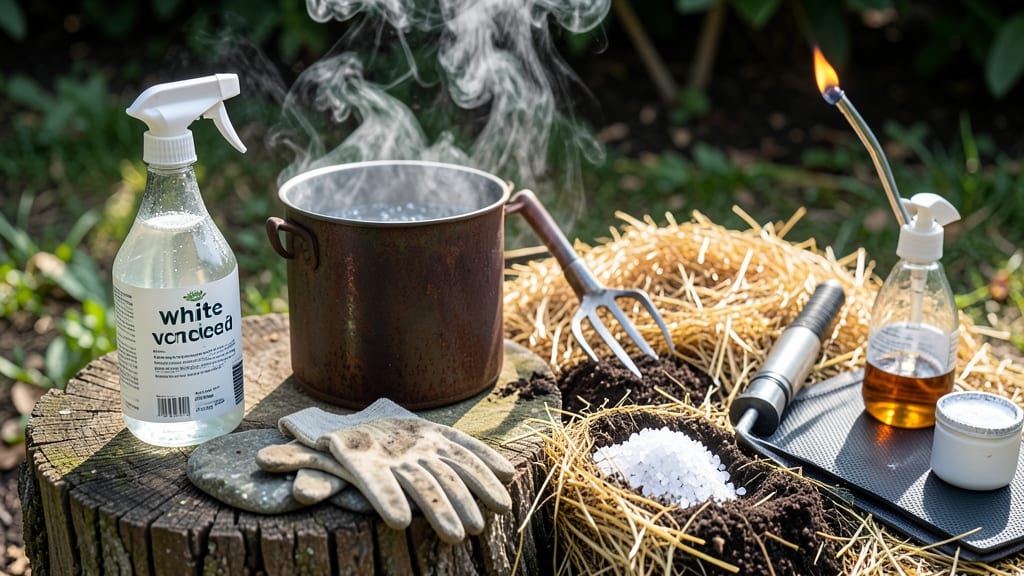
How to get rid of dandelions without chemicals—turn that yellow sea back into a lush, green lawn without harsh toxins. I’ve spent years battling these stubborn weeds—here’s how to reclaim your space the right way. The key isn’t brute force; it’s timing, persistence, and smart techniques that actually work.
Start with manual removal on damp mornings when roots pull easiest. For stubborn patches, try a vinegar solution (1 gallon vinegar + 1 cup dish soap) applied on sunny days—it burns foliage and roots within hours.
Mulching with thick layers of cardboard or newspaper smothers them over time, while dense ground covers like clover outcompete them naturally.
You’ll see results in 2-4 weeks with consistent effort, and your lawn will look lush without toxic residue. The secret? Combine methods—pull what you can, smother the rest, and plant thick grass to prevent regrowth. No more yellow blooms, just green.
Works for any yard size, from tiny patches to full lawns. Let’s make those dandelions disappear for good—without the chemicals.
📚 In This Guide
- What you need
- Instructions
- Tips and common mistakes
- Wrapping up and next steps
What you need
- ● Gloves (1-2 pairs): Heavy-duty gardening gloves to protect your hands from prickly stems and dirt.
- ● Hand trowel or garden fork: A sturdy tool (5-7 inches long) for digging out roots.
- ● Garden shears or pruners: Sharp, clean tools for cutting dandelions at the base.
- ● Boiling water (1-2 gallons): For the boiling water method—safely pour near the base of the plant.
- ● Vinegar (white, 5% acetic acid, 1 gallon): Mix with dish soap for a natural herbicide spray.
- ● Dish soap (1 tbsp): Acts as a surfactant to help the vinegar stick to leaves.
- ● Spray bottle or garden sprayer (1 quart capacity): For even application of homemade sprays.
- ● Mulch (straw, grass clippings, or wood chips, 2-3 inches thick): Suppresses regrowth and smothers weeds.
- ● Corn gluten meal (5 lbs, organic): A pre-emergent herbicide to prevent new dandelions from sprouting.
- ● Watering can or hose: For hydrating plants or diluting solutions.
- ● Kneeling pad: For comfort during long sessions of weeding.
- ● Wheelbarrow or bucket: To collect pulled weeds and dispose of them easily.
- ● Salt (coarse, 1 cup): Use sparingly—can harm soil if overused (best for driveways or cracks).
- ● Baking soda (1 cup): Mix with water for a mild spray (best for small patches).
- ● Compost bin: Turn pulled dandelions into nutrient-rich compost (roots and all!).
Step-by-Step instructions for removing dandelions naturally
These methods work without harsh chemicals and protect your lawn's health.
🌱 Step 1: Pull by Hand at the Right Time
Dandelions are easiest to remove when the soil is moist—early morning after dew or right after rain. Grab the plant at the base with a firm grip and pull straight up. The roots will come out cleanly if the plant is young and the soil isn't compacted. For established plants, use a fork to loosen the soil around the root first—this makes pulling much easier.
I've found that pulling in late summer or early fall works best because the plants have already stored energy in their roots, making them easier to dislodge. If you're dealing with a large patch, work in sections so you don't miss any. The key is persistence—check the area weekly to catch any new sprouts before they mature.
💧 Step 2: Smother with Mulch or Cardboard
Cover the dandelion-infested area with thick layers of newspaper or cardboard, then top with 2-3 inches of mulch (like wood chips or straw). This blocks sunlight, which dandelions need to grow. The plants will die within 2-4 weeks as they run out of energy. For best results, keep the mulch layer consistently thick—thin spots let sunlight through and encourage regrowth.
I like to use free materials like old cardboard boxes or newspaper for this method. Just make sure there are no staples or glossy ink that could leach into the soil. This approach works well for large areas or spots where pulling would be too labor-intensive. Just be patient—it takes time, but it eliminates the need for repeated pulling.
☀️ Step 3: Use Vinegar as a Spot Treatment
Mix 1 gallon of white vinegar with 1 cup of salt and 1 ounce of liquid dish soap. Spray this solution directly onto the dandelion leaves (avoid spraying desired plants). The vinegar kills the plant by dehydrating it, while the dish soap helps the mixture stick. Apply on a dry, sunny day for best results—this ensures the solution stays in contact with the leaves longer.
I've had the best luck using this method on young dandelions or small patches. For larger areas, it's more efficient to pull or smother first, then spot-treat any remaining plants. Always test a small area first to ensure the vinegar won't damage nearby plants or grass. Reapply every 3-5 days until the dandelions are completely brown and crispy.
✂️ Step 4: Prevent Regrowth with Corn Gluten Meal
Sprinkle 1 pound of corn gluten meal evenly over the area where dandelions have been removed. Water it in well to activate the natural pre-emergent properties. This won't kill existing dandelions but will prevent new seeds from germinating. Apply in early spring or fall when dandelion seeds are most likely to sprout.
Corn gluten meal is a great long-term solution because it also adds organic matter to the soil. I apply it annually in early spring to keep my lawn dandelion-free. It's especially effective in combination with other methods—use it after pulling or smothering to break the dandelion life cycle. Just keep in mind it takes a few weeks to work, so don't expect immediate results.
🪴 Step 5: Encourage Natural Competition
Plant dense ground covers like clover or creeping thyme in areas prone to dandelions. These plants create a thick mat that blocks sunlight and outcompetes weeds. For lawns, overseed with a dense grass variety like fescue or ryegrass. Healthy turf leaves no room for dandelions to take hold.
I've seen amazing results by adding a few square feet of clover to my lawn—it's drought-tolerant, attracts pollinators, and crowds out weeds naturally. For garden beds, mulch heavily with 3-4 inches of organic mulch to prevent dandelion seeds from reaching the soil. This method takes time to establish but provides long-term prevention with minimal effort.
Tips & tricks for natural dandelion removal
Real talk: These methods work—but only if you're strategic. Here's what I've learned from years of battling dandelions without chemicals.
Timing is Everything: In Step 1, when pulling by hand, focus on young dandelions with soft, moist soil. I've found that pulling in the morning after dew or right after rain makes the roots slide out effortlessly. For stubborn plants, use a fork to loosen the soil first—this prevents breaking roots that can regrow. The key is persistence: check your lawn weekly to catch new sprouts before they mature into seed-producing monsters.
Mulch Application Secrets: When smothering in Step 2, don't skimp on the mulch thickness. The instructions call for 2-3 inches, but I've seen better results with 3-4 inches—especially in sunny areas. Use cardboard or newspaper as a base to block light completely, and weigh it down with rocks or bricks if your area gets windy. Thin spots are where dandelions will peek through, so inspect regularly and add more mulch as needed.
Vinegar Mix Precision: For the vinegar treatment in Step 3, mix your solution in a spray bottle you won't reuse for edible plants. The dish soap is crucial—it helps the vinegar cling to leaves, but too much can damage nearby plants. I recommend testing on a small area first, especially if you're treating lawns. Apply on sunny days when leaves are dry, and always avoid spraying desirable plants. Reapplication every 3-5 days is key—don't expect miracles from a single treatment.
Corn Gluten Timing: The corn gluten meal in Step 4 works best when applied in early spring or fall, but here's the catch: it takes 2-3 weeks to fully activate. Don't expect immediate results—this is a prevention method, not a quick fix. I've found that combining it with other methods (like pulling first) gives the best long-term control. Water it in thoroughly to activate its pre-emergent properties, and consider applying it annually for continuous protection.
Pro Tips for Get Rid Of Dandelions Without Chemicals
- Real talk: These methods work—but only if you're strategic.
- Timing is Everything: In Step 1, when pulling by hand, focus on young dandelions with soft, moist soil.
- Mulch Application Secrets: When smothering in Step 2, don't skimp on the mulch thickness.
Frequently asked questions
Got questions about tackling dandelions the natural way? You’re not alone! Here are some of the most common concerns—and straightforward answers—to help you banish those bright yellow weeds for good.
When is the best time to remove dandelions naturally?
The ideal time to tackle dandelions is early spring or late fall when they’re young and haven’t yet spread seeds. In summer, focus on mature plants before they bloom to prevent seed dispersal. For persistent patches, repeat treatments every 2–3 weeks until the area is clear.
Will vinegar or boiling water kill dandelions permanently?
Vinegar and boiling water can kill dandelions, but results depend on concentration, weather, and follow-up. For vinegar, use a 20% solution (or full-strength white vinegar) on a sunny day—repeat if regrowth appears. Boiling water works best for small patches but may require multiple applications. Neither method is "permanent," but consistency wins.
Are there any plants that naturally repel dandelions?
Yes! Planting clover, mint, or thyme around your lawn or garden can suppress dandelions by outcompeting them for sunlight and nutrients. Marigolds also release chemicals that inhibit weed growth. For a low-maintenance fix, try ground covers like creeping thyme—they smother weeds while adding beauty.
What should I do if dandelions keep coming back?
Persistent dandelions often mean hidden roots or seed banks in the soil. Dig deeper (3–4 inches) to remove roots, then mulch heavily with straw or wood chips to block sunlight. If the area is large, consider solarization (covering with clear plastic for 4–6 weeks) to kill remaining seeds and roots.
Will removing dandelions harm bees or other pollinators?
Dandelions are early-season pollinator magnets—removing them too early (before bees wake up) can disrupt food sources. Wait until late spring (after bees are active) or leave a few plants for pollinators. If you must remove them, do so after flowers fade to avoid cutting off nectar.
Still stumped? Drop your question in the comments—we’ve got answers!
Wrapping up and next steps
Say goodbye to those stubborn dandelions without harming your garden or the planet! 🌱 From manual removal to vinegar sprays, these natural methods are simple, effective, and eco-friendly. Start small—pick one technique that fits your yard and schedule—and watch your lawn reclaim its glory over time.
Ready to take action? Grab your tools, roll up your sleeves, and enjoy a chemical-free victory! 🎉 For extra tips, check out our FAQ section or explore other natural gardening hacks.