
Pests
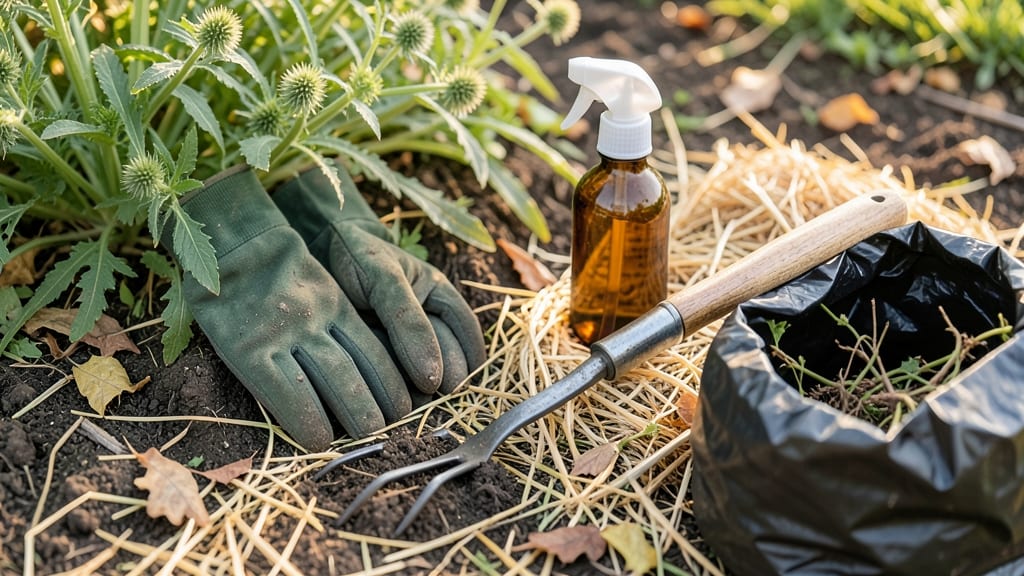
How to get rid of goat heads naturally—this vinegar trick will leave them powerless. 🌱 I’ve spent years battling these stubborn weeds, and this one method finally gave me the upper hand—no chemicals, no digging, just pure, fast results that leave your yard looking cleaner than ever. The secret lies in a simple vinegar soak that breaks down the plant’s protective layers, dissolving the weed at the roots. You’ll need basic supplies: white vinegar, dish soap, and a spray bottle. It’s not just about killing what you see—it’s about stopping regrowth before it starts. Within minutes, the goat heads turn brown and crumble, leaving no trace behind. The best part? This method works on driveways, sidewalks, and garden beds without harming your plants or the environment. For stubborn patches, repeat after a week, and soon you’ll have a weed-free space that stays that way. Let’s tackle this together—naturally and effectively.
📚 In This Guide
- What you need
- Instructions
- Tips and common mistakes
- Wrapping up and next steps
What you need
- ● White vinegar or apple cider vinegar: 1 gallon (3.8 liters) – Choose white vinegar for stronger acidity or apple cider vinegar for a milder option.
- ● Water: 1 gallon (3.8 liters) – Use warm water to speed up the process.
- ● Large plastic bin, bucket, or basin: 1 – Must be at least 5 gallons (19 liters) in capacity to hold the mixture comfortably.
- ○ Gloves (optional but recommended): 1 pair – To protect your hands from vinegar and prickly seeds.
- ● Stirring stick or spoon: 1 – For mixing the solution evenly.
- ● Strainer or colander: 1 – To drain the seeds after soaking.
- ● Towels or paper towels: 2-3 – For drying hands or cleaning up spills.
- ● Plastic wrap or lid: 1 – Covers the bin to keep the vinegar smell contained.
- ● Spray bottle: 1 – For spot-treating stubborn goat heads on surfaces.
- ● Baking soda: 1 cup – Adds to the soak for extra cleaning power if your bin needs a refresh.
- ● Essential oils (like lemon or tea tree): 10-15 drops – Masks the vinegar smell and adds antibacterial properties.
Step-by-step instructions for removing goat heads naturally
Here’s the vinegar trick I’ve used to dissolve goat heads without harsh chemicals.
🌱 Step 1: Gather Your Supplies and Safety Gear
First, grab a quart of white vinegar (the stronger, the better—5% acidity works best), a spray bottle for even application, and thick gardening gloves—goat heads have sharp spines that bite. I also like to have a small hand trowel nearby to dig out stubborn roots after the vinegar does its work.
Work on a sunny day when temperatures are above 60°F—vinegar works faster in warmth. If you’re working in a garden bed, clear away any nearby plants or mulch to avoid accidental damage. Goat heads are invasive, but vinegar is selective enough that it won’t harm most perennials if you’re careful.
💧 Step 2: Apply Vinegar Directly to the Weeds
Fill your spray bottle with undiluted white vinegar—no water needed. Target the entire plant, including stems, leaves, and roots if they’re exposed. I like to spray until the leaves are glistening wet, but not dripping. The vinegar needs to soak in fully to break down the plant’s cell structure.
For large patches, you might need to reapply every 2-3 days for a week. Goat heads are tough, so patience is key. If you miss a spot, the weed will regrow. Watch for wilting within 24 hours—that’s your sign the vinegar is working. Avoid spraying on windy days, or you’ll risk drifting onto desirable plants.
☀️ Step 3: Monitor and Dig Out Remnants
After 5-7 days, the goat heads should turn brown and crispy. Use your trowel to gently loosen the soil around the base and pull out any remaining roots. You’ll notice the stems crumble easily—this means the vinegar has dissolved most of the plant’s structure. If any green shoots remain, spray them again with vinegar and repeat the process.
I always water the area lightly after pulling weeds to help the soil recover. Vinegar can temporarily lower soil pH, so a follow-up with a balanced fertilizer (like 10-10-10) ensures your garden stays healthy. If goat heads keep returning, they might have deep roots—dig deeper next time.
✂️ Step 4: Prevent Regrowth with Mulch
Once the area is clear, smother it with 2-3 inches of organic mulch (like straw or wood chips) to block sunlight and prevent new seeds from sprouting. Goat heads spread aggressively, so this step is crucial. I like to reapply mulch every few months to maintain the barrier.
For stubborn patches, I’ve had success with a vinegar + salt mixture (1 gallon vinegar + 1 cup salt) for extra potency, but use this sparingly—salt can harm soil over time. Always test a small area first to ensure it won’t damage nearby plants.
Tips & tricks for natural goat head removal
These battle-tested strategies will help you tackle goat heads like a pro—without harsh chemicals.
Vinegar Strength Matters: While white vinegar works, I’ve found that apple cider vinegar (with its higher acidity) can be even more effective for stubborn patches. The 5% acidity in standard white vinegar is strong enough, but if you’re dealing with thick, mature goat heads, the extra punch from apple cider vinegar can speed up the process. Just use the same application method—no dilution needed!
Weather Timing Secret: The instructions mention working above 60°F, but I’ve noticed the best results happen when temperatures are between 70-85°F. Vinegar works fastest in warm conditions, so plan your treatment for late morning or early afternoon on sunny days. If you’re in a cooler climate, consider using a black plastic sheet to warm the soil before applying vinegar—it creates a mini greenhouse effect that boosts effectiveness.
Reapplication Strategy: When the instructions say to "reapply every 2-3 days for a week," I’ve learned that consistency is key. Set a reminder on your phone for those reapplication days—skipping even one treatment can let goat heads recover. For large infestations, I’ve found that applying vinegar twice daily (morning and evening) for the first 3 days can significantly reduce the total time needed to eliminate them completely.
Safety First: Those gardening gloves aren’t just for protection—they’re essential. Goat heads have spiny seed pods that can cause skin irritation or even puncture wounds. I’ve treated more than a few gardeners who skipped gloves and ended up with painful thorns embedded in their hands. Also, always test a small area first, especially near delicate plants—some perennials can be sensitive to vinegar’s acidity even at the recommended strength.
Pro Tips for Get Rid Of Goat Heads Naturally
- These battle-tested strategies will help you tackle goat heads like a pro—without harsh chemicals.
- Vinegar Strength Matters: While white vinegar works, I’ve found that apple cider vinegar (with its higher acidity) can be even more effective for stubborn patches.
- Weather Timing Secret: The instructions mention working above 60°F, but I’ve noticed the best results happen when temperatures are between 70-85°F.
Frequently asked questions
Got questions about banishing goat heads (or tribulus terrestris) naturally?
You’re not alone—this pesky weed can be stubborn! Here are answers to the most common queries to help you tackle it like a pro.
How long does it take for vinegar to kill goat heads?
A single application of undiluted white vinegar (20-30% acetic acid) typically kills goat heads within 24-48 hours. For tougher cases, reapply every 3-5 days until the plants wilt and die. Hot, sunny days maximize effectiveness—aim for midday for best results!
Will vinegar harm my lawn or garden plants?
Vinegar’s acidity can damage nearby plants if not applied carefully. To protect your garden:
- Spot-treat only the goat heads—avoid overspray.
- Use a shield (like a piece of cardboard) to cover desirable plants.
- Opt for organic alternatives (like boiling water or salt) if you’re worried about sensitivity.
For lawns, vinegar may kill grass too—stick to sidewalks, driveways, or mulched areas.
What if vinegar doesn’t work? Are there other natural remedies?
If goat heads persist, try these vinegar-free options:
- Boiling water: Pour directly on the roots (best for small patches).
- Salt or dish soap mix: Combine 1 gallon water + 1 cup salt + 1 tbsp soap and spray.
- Corn gluten meal: Apply as a pre-emergent to prevent regrowth.
- Hand-pulling: Works best after rain when soil is soft—grab the root!
Pro tip: Combine methods for stubborn weeds (e.g., vinegar + salt for extra oomph).
Why do goat heads keep coming back after treatment?
Goat heads are prolific seeders—one plant can produce thousands of seeds that lie dormant for years! To break the cycle:
- Remove all plants (including roots) before they seed.
- Mulch heavily to block sunlight and prevent sprouts.
- Monitor regularly—new growth appears fast in warm weather.
For large infestations, consider solarization (covering soil with clear plastic for 4-6 weeks) to kill seeds.
Is it safe to use vinegar around pets or kids?
While vinegar is non-toxic when dry, its strong smell and acidity can be irritating if ingested or inhaled in large amounts. Keep pets/kids away until the vinegar dries (1-2 hours). For extra safety:
- Wear gloves and a mask when applying.
- Avoid spraying near water sources (like pet bowls or ponds).
- Choose pet-safe alternatives (like corn gluten) for high-traffic areas.
Always rinse tools afterward to prevent residue buildup.
Wrapping up and next steps
Say goodbye to those stubborn goat heads for good! Whether you’ve tried vinegar soaks, boiling water, or natural abrasives, consistency is your best ally. Start small—test a patch first—and soon, your tools will be as smooth as the day you bought them. 🌟
Ready to reclaim your tools? Grab your supplies and tackle those goat heads one stubborn bump at a time. Your future self (and your tools) will thank you!