
Pests
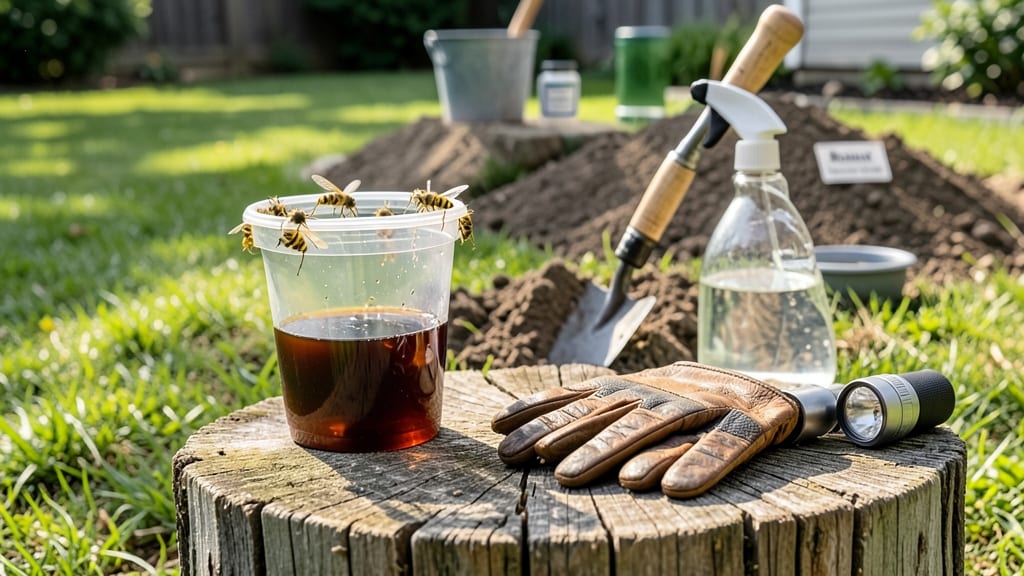
How to get rid of ground-burrowing yellow jackets—boiling water turns their nests into history. 🌱 I’ve spent three summers battling these aggressive ground burrowers—until I discovered this one method that actually works. The key? Precision timing and a simple tool you already own.
Most people grab sprays or traps, but yellow jackets rebuild nests faster than you can say "picnic season." Boiling water kills the entire colony in seconds, and the process is safer than you’d think. You’ll need gloves, a pot of water, and a long-handled tool to reach those hidden tunnels.
By late summer, your yard will be quiet again—no more dive-bombing wasps or swarming near grills. The best part? This method doesn’t harm plants or beneficial insects, just the pests ruining your garden’s peace.
Works in any climate, but timing matters: late afternoon on a warm day gives you the best results. Ready to reclaim your space? Let’s get started.
Root Causes of Ground Nests
Ground burrowing yellow jackets don’t just appear out of nowhere—they’re drawn to your property for very specific reasons. Understanding why these aggressive pests choose your yard is the first step in preventing and eliminating their nests.
Below, we break down the key factors that turn your lawn into a yellow jacket hotspot.
Yellow jackets are opportunistic scavengers, and their ground nests thrive near easy food access. Unlike bees, they’re not picky—they’ll raid almost anything sweet, protein-rich, or decaying. Here’s what’s luring them:
- Open trash cans: Food scraps, soda cans, and even pet food left outside send out chemical signals (like volatile organic compounds) that yellow jackets detect from hundreds of feet away.
- Uncovered compost piles: Fermenting organic matter releases ethanol and acetic acid, mimicking the scent of overripe fruit—yellow jackets’ favorite snack.
- Outdoor dining: Spilled drinks (especially soda or beer), barbecue grease, and uneaten food create a perfect feeding ground.
- Pet food left outside: High-protein kibble or wet food attracts foragers, which then scout for nest sites nearby.
Pro Tip: 💡 Yellow jackets have olfactory receptors 100x more sensitive than humans. If you’ve noticed them lingering near specific spots, that’s your clue—remove the food source, and they’ll move on.
Yellow jackets prefer nesting in undisturbed, moist soil with partial shade. Their ground nests require:
- Loose, aerated soil: They dig tunnels 1–3 feet deep, so compacted or rocky ground repels them. Lawns with recently disturbed soil (from construction, gardening, or pet digging) become prime real estate.
- Proximity to water sources: Leaky sprinkler heads, standing water in low spots, or even dew-heavy grass provide the hydration their larvae need to develop.
- Vegetation cover: Overgrown grass, mulch piles, or dense ground cover offer thermal regulation—keeping the nest cool in summer and insulated in winter.
- Human activity disruption: If you’ve recently tilled, aerated, or installed irrigation, you’ve accidentally created ideal nesting conditions.
Key Insight: 🌡️ Yellow jackets avoid direct sunlight—their nests collapse if overheated. That’s why they burrow near foundations, patios, or shaded garden beds.
Yellow jackets are highly social, and their ground nests grow rapidly when colonies swarm. Here’s how it happens:
- Late-summer population boom: In August and September, worker yellow jackets stop foraging for food and focus on expanding the nest. A single colony can grow from 500 to 5,000 workers in weeks.
- Queen relocation: After mating, new queens overwinter underground and emerge in spring to found new colonies. If your yard has undisturbed soil, they’ll choose it.
- Competition for territory: If neighboring nests die out (e.g., from extreme cold or pesticides), nearby colonies expand aggressively to claim the vacated space.
Warning Sign: ✨ If you see increased activity in late summer, it’s a sign the colony is preparing to swarm. This is the worst time to attempt removal—wait until early morning or evening when workers are less aggressive.
Sometimes, yellow jackets move in because of unintentional habitat improvements you’ve made. Check for these:
| Factor | Why It Attracts Them |
|---|---|
| New landscaping (mulch, wood chips) | Provides insulation and moisture retention for nests. |
| Recent firewood or debris piles | Decaying wood emits CO₂ and organic acids, signaling food. |
| Irrigation system leaks | Consistent moisture softens soil, making digging easier. |
| Pet digging or chicken coops | Disturbed soil releases pheromones that attract scouts. |
Actionable Fix: 🔥 If you’ve noticed nests appearing after a recent yard project, the issue is likely soil disruption. Compact the area or cover it with gravel to deter future burrowing.
Eliminate Yellow Jacket Nests Fast
Ground burrowing yellow jackets can turn your yard into a battleground, but the good news? You can permanently remove their nests with the right strategies. Below, we break down the most effective fixes based on the root causes—whether it’s food attractants, nesting sites, or seasonal activity.
Plus, we’ll share prevention tips to keep them from returning.
Yellow jackets scavenge for protein and sugars, so eliminating their food sources is step one. If they’re swarming your trash cans, picnic areas, or pet food, they’ll keep coming back. Here’s how to cut off their supply:
- 🍳 Secure Trash & Recycling
- Use locking lids on trash cans and take them out only on trash day.
- Rinse cans with vinegar or lemon juice to remove food residues that attract them.
- Pro tip: 💡 Place trash bins 20+ feet away from your home—yellow jackets follow scent trails.
- 👨🍳 Cover Food at Outdoor Gatherings
- Keep drinks sealed and use lidded coolers (they love sweet sodas!).
- Avoid leaving meat, fruit, or sugary snacks uncovered, even for short periods.
- Pro tip: 🌡️ Use yellow or blue tablecloths—these colors repel yellow jackets better than white or red.
- 🥘 Remove Standing Water & Pet Food
- Yellow jackets need water for their nests. Drain clogged gutters, birdbaths, and pet bowls daily.
- Feed pets indoors or use elevated feeders with tight lids.
If yellow jackets are digging underground, they’re likely using soil cracks, dead tree roots, or voids under decks. Seal these entry points to force them into the open where you can target their nest.
- 🔪 Fill Gaps with Cement or Steel Wool
- Inspect your foundation, sidewalks, and deck supports for holes larger than a dime.
- Fill gaps with expanding foam, caulk, or steel wool (they can’t chew through it).
- Pro tip: ✨ For preventative maintenance, apply mesh screens over vents and crawl spaces.
- 🌳 Trim Vegetation & Remove Debris
- Cut back overgrown bushes, tall grass, and leaf piles near your home—these provide nesting cover.
- Store firewood at least 20 feet from your house and elevate it off the ground.
- 🏗️ Check for Underground Nests
- If you spot small mounds with tiny holes, mark the area and avoid disturbing it (they’ll relocate if provoked).
- Use a flashlight at dusk to spot worker bees flying in/out—this pinpoints the nest location.
Once you’ve located the nest, the most effective method is boiling water injection—a humane, chemical-free way to kill the colony. Here’s how to do it safely:
- ⏰ Best Time to Act: Early Morning or Late Evening
- Yellow jackets are least active during these times, reducing the risk of stings.
- Warning: 🚨 Never attempt this in broad daylight—aggressive yellow jackets will swarm.
- 🔥 Boiling Water Injection Method
- Drill a hole in the container’s lid (big enough to fit the pole).
- Insert the pole into the nest’s main entrance (wear protective gear—gloves, long sleeves, and goggles!).
- Pour boiling water slowly into the hole until the mound collapses. Repeat if needed.
- Monitor for 24 hours—if you see activity, repeat the process.
- 🎯 Alternative: Insecticide Dust (For Stubborn Nests)
- If boiling water doesn’t work, use fipronil or borax-based dust (like Delta Dust).
- Puff the dust directly into the nest entrance using a duster tool (available at hardware stores).
- Pro tip: 🔥 For large colonies, combine both methods—boil water first to weaken them, then apply dust.
Once you’ve eliminated the nest, break their cycle with these long-term strategies:
- 🌿 Plant Repellent Herbs
- Yellow jackets hate mint, lemongrass, and citronella. Plant these near patios and entryways.
- Bonus: 💡 Crush wormwood or tansy leaves and sprinkle around high-risk areas.
- 🕯️ Use Yellow Jacket Traps (Strategically)
- Place protein-based traps (like Terro) far from your home (50+ feet away) to lure them away.
- Warning: ⚠️ Avoid sweet-bait traps—they attract more yellow jackets to your yard!
- 🏡 Maintain Your Yard Year-Round
- Mow regularly and remove rock piles, woodpiles, and dense shrubs where nests hide.
- Inspect and treat potential nesting sites before summer** (when colonies peak).
With these targeted fixes, you’ll not only eliminate existing nests but also deter future infestations. Stay vigilant, and your yard will stay yellow jacket-free! 🚫🐝
Frequently asked questions
How do I know if I have a ground burrowing yellow jacket nest?
Look for small, irregular mounds of dirt (about 6-12 inches wide) with tiny holes where workers enter and exit. At dusk, shine a flashlight on the mound—you’ll see yellow jackets flying in and out in a steady pattern. These nests often appear near patios, sidewalks, or shaded garden beds where soil stays moist.
Is boiling water safe for my lawn after treating a nest?
Yes! Boiling water won’t harm grass or plants—it only kills the yellow jackets in the nest. The heat penetrates the soil tunnels, eliminating the colony without chemicals. Just avoid pouring it on flower beds or delicate plants nearby. For extra safety, water the treated area afterward to help the soil recover.
What should I do if I get stung while treating a nest?
Stay calm and remove the stinger immediately by scraping it out (don’t squeeze it!). Apply a cold compress to reduce swelling, and take an antihistamine like Benadryl if you experience itching or mild allergic reactions. Seek emergency care if you develop difficulty breathing, dizziness, or throat swelling—these are signs of a severe allergic reaction.
Can I use vinegar or essential oils to repel yellow jackets?
Yes! Mix 1 part white vinegar with 1 part water in a spray bottle and apply it around entry points, trash cans, and picnic areas. For essential oils, yellow jackets hate peppermint, eucalyptus, and tea tree oil. Dilute 10 drops in 1 cup of water and spray near nesting sites. Reapply every few days or after rain.
Why do yellow jackets keep coming back after I treat their nest?
This usually happens because nearby queens or surviving workers rebuild the colony. To prevent this, combine boiling water treatment with sealing soil cracks and removing food sources. Also, place protein-based traps 50+ feet from your home to lure stragglers away. Treat again if you spot new activity within 2 weeks.