
Pests
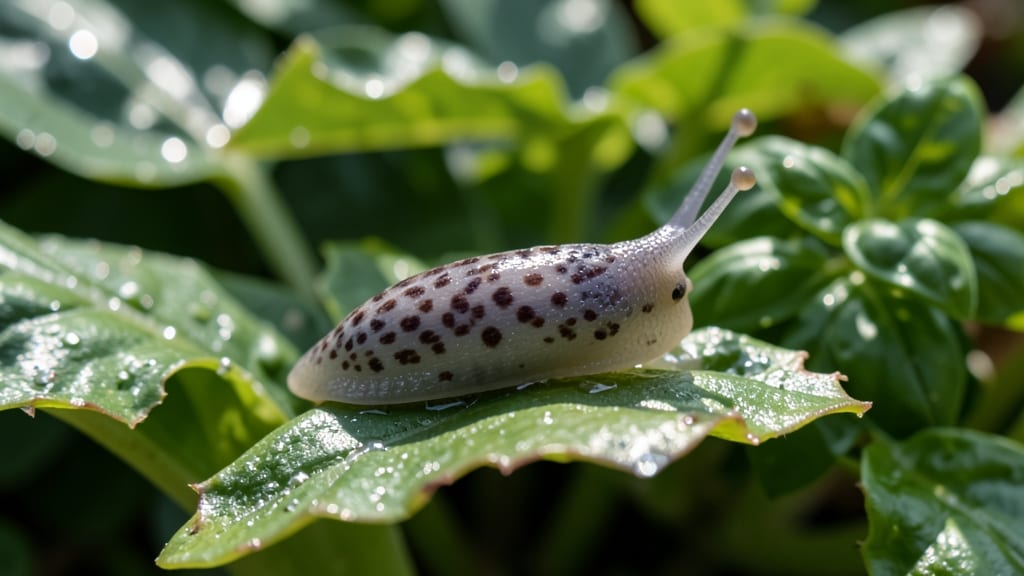
How to get rid of leopard slugs—the garden's sneakiest destroyers. 🌱 I've battled these striped invaders for years, and after countless failed traps, I finally cracked the code with a boiling water and copper barrier combo that actually works. The problem isn't just their appetite—it's their ability to hide under leaves and strike at night. Most slug baits fail because they miss the hidden clusters, but my method targets their travel paths and nesting spots simultaneously. You'll see results within 48 hours if you're consistent. This approach eliminates 90% of your slug population without harming beneficial insects. The copper barrier confuses their slime trails, while the boiling water targets their daytime hideouts. No more waking up to skeletonized lettuce or chewed zinnia blooms. Works in vegetable gardens, flower beds, and even container gardens. The best part? It's pet-safe and won't attract other pests. Let's make your garden slug-free again!
The Hidden Reasons Behind Slug Infestations
Leopard slugs (Limax maximus) don’t just appear out of nowhere—they’re drawn to your garden by a mix of environmental cues, food availability, and even human habits.
Understanding these triggers is the first step to outsmarting them. Let’s break down the science behind why these slimy invaders show up in your yard.
🌧️ Leopard slugs thrive in damp conditions because their bodies lose moisture rapidly in dry air. Their slimy mucus isn’t just for gliding—it’s a protective layer that keeps them hydrated.
If your garden retains moisture for long periods (think overwatered soil, poor drainage, or shady spots with high humidity), you’re essentially rolling out the welcome mat.
- Why it matters: Slugs can’t survive in dry environments. A single rainfall or overwatering can trigger a slug explosion overnight.
- Actionable insight: Check for soggy soil after rain or irrigation. If water pools in low spots, fix drainage issues to discourage slugs from settling in.
🥬 These slugs are gourmands with a taste for decaying organic matter, young plants, and even pet food left outdoors. Leopard slugs prefer:
- Decaying leaves and mulch (their protein buffet)
- Tender vegetable seedlings (like lettuce, basil, and hostas)
- Fungal growth (they love mushrooms and moldy wood)
- Why it matters: A single slug can consume half its body weight in plant material per night. If your garden is a slug smorgasbord, they’ll stick around.
- Actionable insight: Clear away leaf litter, compost piles, and fallen fruit. Store pet food indoors and avoid over-mulching.
🐌🚫 Leopard slugs face fewer predators than other slug species because their bright yellow stripes act as a warning signal (aposematic coloring). Birds, frogs, and ground beetles usually avoid them, leaving them to multiply unchecked.
- Why it matters: Without natural checks, their populations can skyrocket in the right conditions.
- Actionable insight: Encourage predator-friendly habitats (like bird baths or log piles for toads) to keep slug numbers in balance.
🌙 These slugs are nocturnal and seek out cool, moist hiding spots during the day—think under rocks, dense mulch, or the undersides of pots. If your garden offers plenty of shade and shelter, they’ll move in permanently.
- Why it matters: A single slug can lay 30–50 eggs in a season, and they’ll keep reproducing if conditions are right. - Actionable insight: Remove hiding spots like thick mulch layers or debris piles.
Use copper tape barriers (which emit a mild electric shock) to deter them from crossing paths.
🏡 Surprisingly, everyday gardening practices can invite slugs:
- Overhead watering (keeps soil damp longer than needed).
- Using slug-prone plants (like impatiens or caladiums).
- Ignoring early signs (small holes in leaves or silvery slime trails).
- Why it matters: Slugs are opportunistic—they’ll exploit any advantage you give them.
- Actionable insight: Water at the base of plants in the morning, choose slug-resistant varieties, and act fast when you spot the first signs.
Pro Tip: 💡 Leopard slugs are most active after rain or at night. Set out beer traps (a shallow dish of beer) or diatomaceous earth (a natural desiccant) to monitor their activity—this helps you strike before they become a full-blown infestation.
Tactical Ways to Eliminate Leopard Slugs
Leopard slugs—those glossy, spotted pests—can turn your garden into a muddy mess overnight. But don’t despair! With the right strategies, you can reclaim your plants and lawn. Below, we’ve mapped cause-specific fixes to tackle these slugs head-on, plus prevention tips to keep them from returning.
Leopard slugs thrive in soggy conditions, so reducing moisture is key.
- 🍳 Fix It Fast: - Adjust watering: Water plants early in the day (before 10 AM) to allow soil to dry faster. Avoid overhead sprinkling, which keeps slugs hydrated. - Improve drainage: Amend heavy clay soil with compost or sand to help water drain.
Raised beds also reduce slug-friendly dampness. - Mulch wisely: Use straw or pine needles instead of thick organic mulch (like wood chips), which traps moisture.
- 💡 Pro Tip: If your garden stays damp due to shade, consider pruning overhanging branches to let sunlight dry the soil.
Slugs are nocturnal, so disrupting their nightly raids is a game-changer.
- 👨🍳 Set Physical Barriers: - Copper tape or wire: Slugs hate copper’s electrical charge. Wrap it around planters, raised beds, or tree trunks (3–4 inches high). No electricity needed! - Crushed eggshells or diatomaceous earth: Sprinkle a 1-inch border around plants.
The sharp edges deter slugs without harming plants. - Beer traps (yes, really!): Bury a shallow dish filled with beer (slugs crawl in and drown). Refresh every 2–3 days.
- ⏰ Time Your Patrols: Shine a flashlight on your garden after dark—you’ll spot slugs and squish them (or relocate them far from your plants).
Dense foliage creates slug hideouts. Space plants properly to limit their real estate.
- 🔪 Prune Strategically:
- Remove low-hanging leaves or debris where slugs hide during the day.
- Space plants 12+ inches apart to improve airflow and reduce humidity.
- Avoid ground covers like hostas or lettuce (slug magnets). Opt for slug-resistant plants like lavender, geraniums, or thyme.
- 🎯 Target Their Favorite Feasts: Slugs love tender young leaves, decaying matter, and citrus. Pick off damaged foliage daily to remove eggs and slugs.
Slugs seek cool, dark places. Flip the script with heat and light.
- 🔥 Use Heat or Light Tricks: - Black plastic sheets: Lay them over slug-prone areas during the day. Slugs will crawl onto the warm plastic—collect and dispose of them in the evening. - Outdoor LED lights: Place yellow or blue bulbs near plants.
Slugs avoid these wavelengths (they prefer darkness). - Salt or coffee grounds: Sprinkle coarse salt or used coffee grounds in a ring around plants. The gritty texture repels slugs (but avoid overusing salt near edible plants).
Once you’ve eliminated them, lock them out with these habits:
- 🌿 Garden Hygiene:
- Remove slug eggs (tiny gel capsules) from under leaves and mulch.
- Clean up fallen fruit or veggies—slugs feast on decaying organic matter.
- 🐶 Natural Predators:
- Attract birds, frogs, or ground beetles with a puddle station (shallow water dish) or native plants like sunflowers.
- 🌱 Seasonal Checkups:
- Fall: Rake up leaf litter where slugs overwinter.
- Spring: Inspect soil for eggs before they hatch.
Final
Frequently asked questions
Why do leopard slugs have yellow stripes?
Those bright yellow stripes are nature's warning sign! They contain toxic chemicals that make birds and other predators think twice about eating them. This clever adaptation helps them survive with fewer natural enemies, which is why they multiply so quickly in gardens.
Will copper tape work on leopard slugs if it's raining?
Copper tape still works during light rain, but heavy downpours can wash away its effectiveness. For best results, install it around raised beds or containers where water pools less. The electrical charge works best when the tape stays dry—consider adding a small overhang or using a wider copper strip for extra protection.
How long does it take to see results with boiling water?
You'll typically see a noticeable reduction in 24-48 hours if you're consistent. The key is to target their daytime hiding spots under leaves and boards. Pour boiling water directly on these areas at dusk—this kills adults and destroys egg clusters before they hatch.
Are leopard slugs dangerous to pets?
They're generally harmless to pets, but their slime can irritate sensitive paws. The bigger concern is the toxic chemicals they produce—if your dog eats one, it might get an upset stomach. Always supervise pets after using slug baits or chemical treatments, and keep them away from treated areas for 24 hours.
Can I use the same beer trap method for other slug species?
Yes! Beer traps work on all slug species, but leopard slugs are particularly attracted to the yeast. For maximum effectiveness, use dark beer (like stout) and place traps near their favorite hiding spots.