
How To
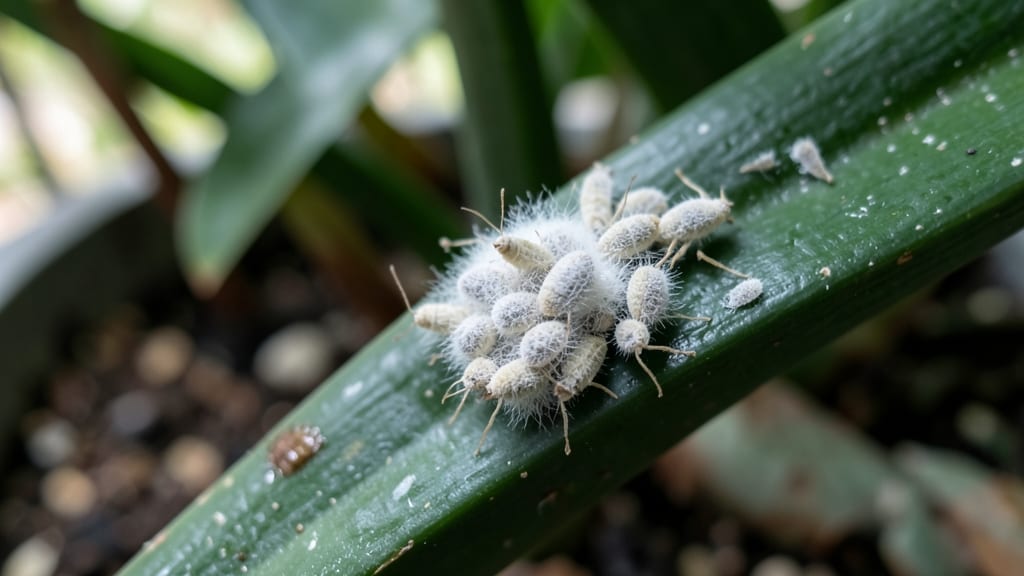
How to get rid of mealybugs on dumb cane—those cottony pests are ruining your plant’s vibe. 🌿 I’ve battled these pests for years, and neem oil isn’t just a spray—it’s a game-changer that starves their life cycle while keeping your plant safe.
Most store-bought sprays kill mealybugs but leave sticky residue that harms leaves. Neem oil disrupts their feeding and reproduction—no harsh chemicals needed. You’ll need 70% alcohol (to dissolve oils), 1 teaspoon neem oil, and 1 teaspoon mild dish soap per quart of water.
Mix it right, and you’ll see them vanish within 3-5 days of consistent spraying.
The first spray knocks them out, but the real magic happens when you repeat it every 7 days for 3 weeks. That’s how you break their cycle—no more fluffy white clusters hiding in leaf crevices.
Your dumb cane’s glossy leaves will bounce back faster than you’d expect, and the air in your space stays fresh without that sickly-sweet pest smell.
Pro tip: Wipe down leaves with a damp cloth after spraying to remove residue, and keep your plant in bright, indirect light—mealbugs hate that. If they return, it’s time to check for hidden infestations in soil or stems. Here’s how to make it work the first time.
Root Causes of Mealybug Infestations
Mealybugs may seem like a mysterious nuisance, but their presence on your Dumb Cane (Dieffenbachia) is rarely random. These tiny, cotton-like pests thrive under specific conditions, and understanding why they target your plant is the first step to stopping them.
Let’s break down the science behind their invasion—so you can outsmart them before they multiply.
Mealybugs are opportunistic pests—they love plants that are already stressed. When your Dumb Cane’s defenses are down, it becomes an all-you-can-eat buffet for these sap-suckers.
- Overwatering or Poor Drainage 💦 Soggy soil creates the perfect breeding ground for mealybugs. Excess moisture weakens the plant’s roots, making it harder to fend off pests. Additionally, damp foliage provides a sticky, sugary environment (thanks to honeydew) that attracts mealybugs like a neon sign.
- Nutrient Deficiencies 🌱 A Dumb Cane starving for essential nutrients (like nitrogen, phosphorus, or potassium) can’t produce enough sap or defensive compounds. Mealybugs detect these deficiencies and zero in on vulnerable spots, especially on new growth where tender leaves are easier to penetrate.
- Physical Damage or Stress ⚔️ Pruning wounds, temperature fluctuations, or sudden changes in light expose the plant’s inner tissues. Mealybugs exploit these openings, inserting their proboscises (mouthparts) to drain nutrients directly from the plant’s vascular system.
Mealybugs aren’t picky—they’ll infest your Dumb Cane if the environment suits their survival. These pests prefer:
- Warm, Humid Climates 🌡️ Mealybugs thrive in temperatures between 70–85°F (21–29°C) and high humidity (60%+). If your home or greenhouse mimics a tropical rainforest, you’ve essentially rolled out the welcome mat.
- Low Light or Shade 🌑 While Dumb Canes tolerate low light, mealybugs love it. Dim conditions slow the plant’s growth, reducing its ability to heal or resist pests. Plus, shaded leaves accumulate more dust and honeydew—meal for mealybugs.
- Crowded or Dirty Leaves 🍃 Mealybugs hide in the nooks and crannies of dusty, curled, or overlapping leaves. They’re masters of camouflage, blending into the white, fluffy residue left by honeydew or old sap. Regular cleaning disrupts their hiding spots, but neglect invites them in.
Here’s the sneaky part: mealybugs don’t just consume your Dumb Cane—they also create the perfect conditions for more mealybugs to move in.
- Sticky Honeydew Attracts Ants and Fungus 🐜🍯 Mealybugs excrete honeydew, a sugary waste product that:
- Lures ants, which protect mealybugs in exchange for food (ants will even carry mealybugs to new plants).
- Promotes sooty mold, a black fungal growth that blocks sunlight and further weakens the plant.
- Secondary Pests Follow 🐛 Once mealybugs establish a colony, they pave the way for other pests like scale insects, aphids, or spider mites, all of which thrive in the same chaotic environment.
Sometimes, the problem isn’t the plant—it’s us. Common mistakes that invite mealybugs include:
- Bringing Infested Plants Home 🛒 Mealybugs often hitch a ride on new houseplants. Always quarantine and inspect purchases for white cottony clusters or sticky residue before introducing them to your collection.
- Over-Fertilizing 💥 Too much fertilizer (especially nitrogen-heavy mixes) can burn roots and create weak, sugary growth—both of which mealybugs adore. Always follow label instructions and flush soil occasionally.
- Ignoring Early Signs 🚨 Mealybugs start as tiny, immobile nymphs that look like tiny grains of rice. By the time you spot the classic cottony adults, the infestation is often well underway. Catch them early, or they’ll catch your plant.
In nature, mealybugs have predators—ladybugs, lacewings, and parasitic wasps—that keep their populations in check. But indoors?
- No natural predators = mealybugs reproduce unchecked.
- No wind or rain = honeydew and pests accumulate without dilution.
Solution? Introduce beneficial insects (like Cryptolaemus montrouzieri beetles) or use neem oil to mimic their natural enemies’ effects—disrupting their life cycle before they take over.
Key Takeaway: Mealybugs don’t just appear—they’re drawn to weak, stressed, or neglected Dumb Canes in ideal hiding conditions. By addressing these root causes, you’re not just treating the symptoms; you’re starving the problem at its source. 🚀
Beat Mealybugs on Dumb Cane
Mealybugs may seem like a stubborn pest, but with the right approach, you can reclaim your dumb cane’s health—and fast. Below are targeted solutions based on the root cause of your infestation, from quick fixes to long-term prevention.
Each method is designed to be effective, easy, and plant-safe, so you can tackle the problem without harming your beloved houseplant.
Cause: Early-stage infestations or localized clusters. Fix: Grab a cotton swab, dip it in 70% isopropyl alcohol (or soapy water), and dab each mealybug until they’re gone. This works best for small outbreaks where bugs are visible but haven’t spread.
How to do it right:
- 👨🍳 Wrap your hands in gloves to avoid skin irritation from sap or alcohol.
- 🔪 Focus on crevices—mealybugs love hiding under leaves, along stems, and in leaf axils.
- ⏰ Repeat every 2–3 days for 2 weeks to catch any stragglers (their eggs hatch slowly!).
Pro tip: 💡 Don’t crush them! Squished mealybugs release a sticky honeydew that attracts mold and other pests.
Cause: Moderate to severe infestations (eggs, nymphs, or adults). Fix: Neem oil is a powerhouse because it disrupts mealybugs’ feeding, reproduction, and growth. It’s also systemic, meaning it works internally as the plant absorbs it.
DIY Neem Oil Recipe:
| Ingredient | Amount | Purpose |
|---|---|---|
| Cold-pressed neem oil | 1 tbsp | Active ingredient |
| Dish soap (mild) | ½ tsp | Helps oil stick to bugs |
| Water | 1 quart (32 oz) | Diluent |
| Spray bottle | 1 (8–16 oz) | Application tool |
How to apply:
- 🍳 Mix ingredients in the spray bottle and shake well.
- 🌡️ Test on a leaf first to ensure no sensitivity (neem can be strong for some plants).
- 🌧️ Spray thoroughly—focus on undersides of leaves, stems, and leaf joints.
- ⏰ Reapply every 5–7 days for 3–4 weeks (this covers egg hatching cycles).
Pro tip: ✨ Boost effectiveness by spraying in the early evening—mealybugs are less active then, and the oil has time to work overnight.
Cause: General infestations where neem isn’t available. Fix: Insecticidal soap (or homemade version) suffocates mealybugs on contact. It’s fast-acting but must be reapplied frequently.
Homemade Soap Spray Recipe:
- 1 tsp mild liquid soap (like Castile soap)
- 1 quart water
- Spray bottle
How to use:
- 🔥 Mix gently (don’t create suds—this can harm leaves).
- 👨🍳 Spray until dripping on both sides of leaves.
- ⏰ Apply every 2–3 days for 2 weeks (soaps break down quickly).
Warning: 🚨 Avoid systemic soaps (like those with synthetic pyrethroids)—they can harm beneficial insects and may not be safe for indoor plants.
Cause: Heavy infestations where mealybugs have penetrated plant tissue. Fix: Systemic insecticides (like dinotefuran or imidacloprid) are absorbed into the plant’s vascular system, killing bugs from the inside out.
How to use:
- 💡 Follow label instructions—these are stronger chemicals, so use sparingly.
- 🌱 Mix with water and apply to soil or foliage (some require soil drenching).
- ⏰ Wait 1–2 weeks before repotting or consuming plant parts (if edible).
Pro tip: 🌡️ Combine with neem oil for a two-pronged attack—systemic for adults, neem for eggs.
Once your dumb cane is mealybug-free, lock in its health with these long-term strategies:
- 🌿 Isolate new plants for 2–4 weeks before introducing them to your collection. - 💦 Water at the base—avoid overhead watering, which creates a mealybug-friendly humid microclimate. - 🍃 Prune regularly—remove yellowing or damaged leaves where pests hide. - 🕷️ Encourage natural predators: Ladybugs, lacewings, and parasitic wasps love mealybugs—invite them with companion plants like marigolds or basil. - 🌡️ Monitor humidity—mealybugs thrive in dry, dusty conditions.
Use a pebble tray or humidifier to keep air moving.
| Step | Action | Frequency |
|---|---|---|
| Inspect | Check leaves/stems for sticky residue or cottony clusters | Weekly |
| Treat | Apply neem/soap spray or systemic solution | Every 5–7 days (or as directed) |
| Remove debris | Wipe leaves with damp cloth, trim dead growth | Biweekly |
| Quarantine | Isolate infested plants until clear | Until no signs for 4+ weeks |
Remember: Patience is key—mealybugs are persistent, but consistent treatment will win. Your dumb cane will bounce back greener and stronger with the right care! 🌱✨
Frequently asked questions about mealybugs on dumb cane
How do I know if my dumb cane has mealybugs?
Look for white, cottony clusters on stems, leaf joints, or undersides of leaves. You might also spot tiny, oval-shaped bugs that look like grains of rice. Check for sticky honeydew residue or black sooty mold—a sign of an active infestation.
Can I use rubbing alcohol on mealybugs?
Yes! Dip a cotton swab in 70% isopropyl alcohol and dab each mealybug directly. This kills them on contact, but wear gloves—alcohol can irritate skin. For severe cases, combine with neem oil spray for better coverage.
Why do mealybugs keep coming back after treatment?
Mealybugs lay hundreds of eggs hidden in crevices. If you stop treatment early, new nymphs emerge. Apply neem oil or insecticidal soap every 5-7 days for 3-4 weeks to break their life cycle completely.
Is neem oil safe for my dumb cane?
Neem oil is generally safe when used correctly. Always test on a small leaf first—some plants may show sensitivity. Dilute properly (1 tsp neem oil + ½ tsp mild soap per quart of water) and avoid direct sunlight after spraying.
How can I prevent mealybugs from spreading to other plants?
Isolate your infested dumb cane immediately and quarantine new plants for 2-4 weeks. Wipe down leaves with a damp cloth regularly, and avoid overwatering—damp conditions attract these pests.