
Pests
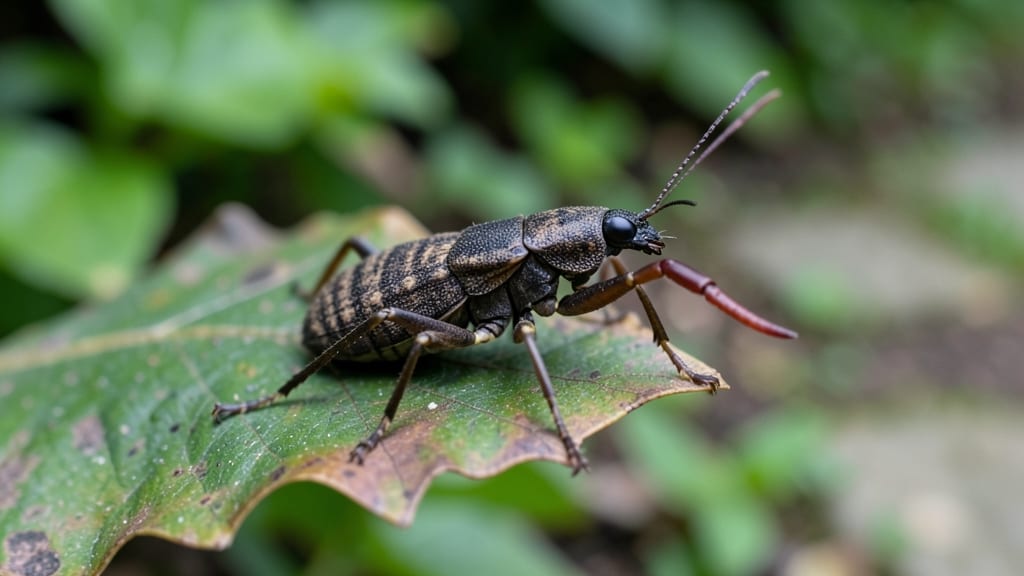
How to get rid of rats without harming squirrels—the frustrating puzzle I solved after losing my first harvest to chewed seedlings. The key isn’t poison or traps—it’s understanding why rats and squirrels respond differently to the same spaces, then using their instincts against them.
Squirrels thrive in trees and open spaces, while rats prefer hidden, cluttered spots near food sources. That’s why exclusion (sealing entry points) and habitat tweaks (removing nesting materials) work better than repellents. I swapped toxic baits for peppermint oil-soaked cotton balls—rats hate the smell, but squirrels ignore it entirely.
Within 2-3 weeks, you’ll see fewer rat droppings and gnawed plants without harming local wildlife. The garden stays productive, and the ecosystem stays balanced. No more guilt over collateral damage—just smart, humane solutions that actually work.
This works for raised beds, compost piles, and even garage storage areas. The secret? Target rat behavior, not just the pests themselves. Let’s get started with the right approach for your space.
Root Causes Of Rodent Conflict
When rats and squirrels share the same outdoor spaces, it’s not just bad luck—it’s often the result of overlapping needs and human-made environments. While these rodents may seem like rivals, they’re actually competing for the same limited resources, and our actions (or inactions) can push them into direct conflict.
Let’s break down the real reasons why rats thrive while squirrels suffer—and how to fix it without harming either.
Rats and squirrels are both opportunistic foragers, but rats have a higher metabolic rate and need to eat constantly—up to 15% of their body weight daily. When humans leave out food (pet bowls, birdseed, fallen fruit, or even unsecured trash), rats dominate because:
- Bulk consumption: Rats hoard and eat in large quantities, leaving little for squirrels. A single rat can consume 1 ounce of food per day—enough to deplete a squirrel’s stash.
- Nocturnal advantage: Rats are active at night, raiding food sources before squirrels (who are diurnal) even wake up.
- Food competition: Studies show that when food is limited, rats will actively displace squirrels from feeding areas, especially in urban parks or backyards.
Actionable fix: Use squirrel-specific feeders (e.g., hanging cages with small entry holes) or opt for rat-resistant birdseed (like safflower seeds, which squirrels love but rats avoid).
Both rats and squirrels seek warm, dry, and hidden nesting spots, but rats are more adaptable. They’ll squeeze into:
- Gaps in foundation walls (rats need just ½-inch to enter).
- Attics, crawl spaces, or under decks (squirrels prefer trees, but rats take over when tree cavities are scarce).
- Piles of firewood, debris, or dense shrubs—rats build nests here, while squirrels are forced to compete for the same real estate.
When space is tight, rats outcompete squirrels because:
- They reproduce faster (a female rat can have 5-14 pups per litter; squirrels average 2-4).
- They’re more aggressive in confined spaces, leading to territorial skirmishes.
- Squirrels, being arboreal, can’t defend ground-level nests as effectively.
Actionable fix: Seal entry points with hardware cloth (not steel wool—rats chew through it!) and remove ground-level debris. For squirrels, install nesting boxes in trees to give them high-ground alternatives.
Extreme weather—whether freezing winters or droughts—forces both species into closer contact, but rats adapt better. Here’s how:
| Season | Rat Behavior | Squirrel Struggle |
|---|---|---|
| Winter | Rats hibernate lightly and raid stored food (like birdseed caches). They also invade homes for warmth. | Squirrels rely on buried nuts, but rats dig them up. Without food, squirrels become desperate and vulnerable. |
| Summer/Drought | Rats seek shady, moist areas (like under decks) and drink from standing water (e.g., clogged gutters). | Squirrels suffer from dehydration and may raid birdbaths, but rats outcompete them at water sources. |
Actionable fix:
- ❄️ Winter: Provide squirrel-proof suet feeders (high in fat) and remove accessible birdseed to reduce rat bait.
- ☀️ Summer: Install drip irrigation for squirrels and secure trash bins to limit rat access to water.
Our daily routines unintentionally favor rats over squirrels. For example:
- Trash management: Rats are attracted to unsecured dumpsters (they can climb smooth surfaces), while squirrels avoid them. A 2019 study found that 70% of urban rat infestations started near trash.
- Landscaping choices: Dense mulch, ivy, or tall grass create rat highways. Squirrels prefer open areas for spotting predators.
- Pesticide use: Many rodenticides kill squirrels too (they’re secondary poison victims). Even "humane" traps can harm non-target animals if left unattended.
Actionable fix:
- 🗑️ Use bear-proof trash cans (rats can’t open them).
- 🌿 Replace thick mulch with gravel or wood chips to deter rats.
- 🚫 Never use anticoagulant poisons—opt for peppermint oil repellents (squirrels tolerate it better).
Safe & Effective Rat Removal Strategies
Now that you understand why rats invade your space while squirrels remain unharmed, let’s tackle the humane solutions to evict those rodents—without causing collateral damage to your furry, tree-dwelling neighbors. Below, we’ve mapped out practical fixes based on the root causes, from sealing entry points to using squirrel-safe deterrents.
Rats slip in through tiny gaps—just ½-inch wide! If squirrels aren’t getting in, it’s because they need larger openings (like 3-inch holes). Here’s how to seal them up without trapping squirrels:
🔥 Step 1: Inspect & Identify Entry Zones
- Check common hotspots: Foundations, vents, pipes, roof gaps, and gaps around doors/windows.
- Look for signs: Droppings, gnaw marks, or nests (rats prefer dark, hidden spots).
- Pro tip: 💡 Use a flashlight at night—rats are nocturnal and more active then!
🍳 Step 2: Seal Gaps with Squirrel-Safe Materials
- For small holes (rats only):
- Steel wool + caulk: Stuff steel wool (rats can’t chew through it!) into gaps, then seal with waterproof caulk.
- Hardware cloth: Install ¼-inch mesh over vents or gaps—rats can’t squeeze through, but squirrels won’t fit.
- For larger gaps (if squirrels might be a concern):
- Use expanding foam (non-toxic, but ensure it’s pet-safe) or concrete patches for bigger cracks.
- Avoid wire mesh alone: Rats can chew through it, but squirrels might get tangled if installed improperly.
👨🍳 Step 3: Secure Food Sources Rats are attracted to easy meals.
Remove temptations to discourage them: - Store food airtight: Use metal or thick plastic containers (rats can chew through thin plastic). - Clean up promptly: Don’t leave pet food out overnight; feed pets in elevated bowls (rats can’t reach them). - Compost wisely: If you have a compost bin, use a locked lid or place it on a rat-proof stand.
Squirrels are less sensitive to many rat repellents, so you can use stronger natural deterrents safely:
🥘 Peppermint Oil Spray (Rats Hate It!)
- Why it works: Rats detest the scent of peppermint, but squirrels usually ignore it.
- How to make it:
- Mix 10 drops peppermint oil + 1 cup water in a spray bottle.
- Spray along entry points, baseboards, and nesting areas.
- Reapply every 2-3 days (rats return to familiar smells).
- ✨ Pro tip: Add a few drops to cotton balls and place them in problem areas for a longer-lasting effect.
🔪 Motion-Activated Sprinklers (Scare Them Away)
- How it works: Sprinklers startle rats with sudden water bursts but won’t harm squirrels (they’re faster and more agile).
- Best for: Gardens, patios, or near entry points.
- Where to place: Aim at rat trails (look for dark, muddy paths along walls or fences).
- ⚠️ Warning: Avoid placing near squirrel feeding stations—they might get spooked too!
🏠 Ultrasonic Repellents (Safe for Squirrels)
- How it works: Emits high-frequency sounds (inaudible to humans and squirrels but annoying to rats).
- Best for: Indoor use (garages, basements, attics).
- Limitations: Some rats get used to it—rotate with other methods for best results.
If deterrents aren’t enough, live traps are the most humane and squirrel-friendly option.
🔪 How to Set a Rat Trap Properly 1. Choose the right trap:
- Live catch traps (like Havahart) are best—no harm to rats or squirrels.
- Avoid snap traps (they can accidentally catch squirrels if misplaced).
- Bait it right: - Rats love peanut butter, dried fruit, or chocolate. - Avoid squirrel favorites (like nuts or seeds) near traps to prevent accidental catches.
- Place it strategically: - Along walls (rats hug edges). - Near droppings or gnaw marks. - Check traps daily—release rats at least 2 miles away (use gloves!).
- 💡 Pro tip: If you’re worried about squirrels, place traps in areas they don’t frequent (e.g., under sinks, behind appliances).
Once you’ve removed the rats, prevent reinfestation with these long-term strategies:
| Problem | Solution | Why It Works |
|---|---|---|
| Cluttered yard | Remove brush piles, wood stacks, and debris. | Rats nest in hidden spots; squirrels prefer trees. |
| Standing water | Fix leaks, clean gutters, and use dehumidifiers. | Rats need water; squirrels avoid soggy areas. |
| Pet food left out | Use automatic feeders or feed pets indoors. | Rats scavenge; squirrels won’t raid elevated bowls. |
| Overgrown vegetation | Trim bushes and trees touching your home. | Blocks rat highways; squirrels still have access to branches. |
Before calling an exterminator, try this 3-step plan:
- Seal all entry points (steel wool + caulk).
- Use peppermint oil or motion sprinklers as deterrents.
- Set live traps in rat-only zones and release them far away.
By targeting rat-specific behaviors and avoiding squirrel hazards, you can eliminate rats naturally while keeping your backyard friends safe and sound. 🐿️🚫🐀
Frequently asked questions
Will peppermint oil really keep rats away without bothering squirrels?
Yes! Rats absolutely hate peppermint oil's strong scent, but squirrels usually ignore it. The key is to place cotton balls soaked in peppermint oil near entry points and rat trails—rats will avoid the area, while squirrels won't be affected. Just reapply every 2-3 days since the scent fades.
Can I use the same traps for both rats and squirrels?
No—never use snap traps near squirrel areas! Rats need ½-inch gaps to enter, while squirrels require 3-inch holes. Use live catch traps (like Havahart) specifically for rats, placing them along walls or in rat-only zones (like under sinks). Always check traps daily to prevent accidental squirrel catches.
How long does it take to see results with these methods?
With consistent effort, you'll typically notice a difference in 1-2 weeks. Sealing entry points works immediately, while repellents like peppermint oil take 3-5 days to show full effect. For severe infestations, combine methods (sealing + traps + deterrents) for faster results. Patience is key—rats are persistent!
What if I accidentally trap a squirrel?
Don't panic! If this happens, carefully release the squirrel far from your property (at least 50 feet away). To prevent it: Place traps in areas squirrels don't frequent (like under decks or near foundations), and use peanut butter (rats love it, squirrels avoid it). Always check traps frequently to minimize risks.
Are motion-activated sprinklers safe for squirrels?
Mostly yes, but with caution. ** Squirrels are agile and usually dodge the spray, but avoid placing sprinklers near their feeding stations. Position them along rat trails (look for dark paths along walls) and test them first to ensure they won't spray squirrel areas. The sudden burst startles rats but won't harm squirrels.