
Pests
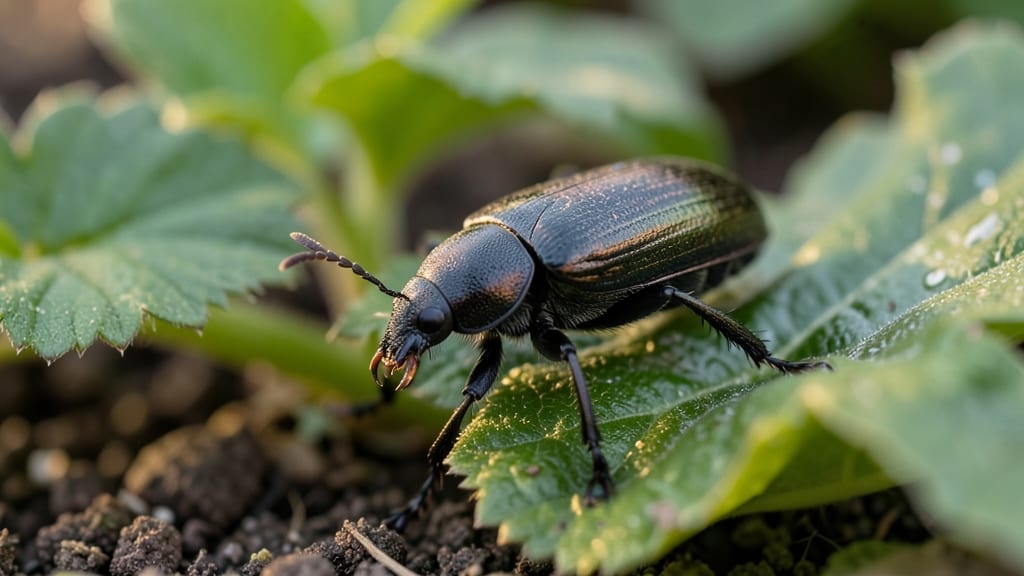
How to get rid of slugs in the garden naturally—my hosta leaves were turned into lace overnight, but the copper barrier method finally worked. No more slimy trails or chewed plants by morning. It’s simple, chemical-free, and works because slugs hate the electric shock they think they’re getting when they touch metal.
You’ll need copper tape or strips (available at garden centers), a hammer, and about 30 minutes to install it. The key is creating a continuous loop around vulnerable plants or raised beds—slugs won’t cross it, period.
No traps, no beer, no messy cleanup. Just a sleek, invisible shield that lasts for years.
By dawn, you’ll see fewer slugs slithering around, and your plants will stay intact. The barrier even deters snails, so it’s a two-for-one solution. Plus, it’s safe for kids, pets, and beneficial insects—unlike those harsh slug pellets that poison everything.
Works best in spring and fall when slugs are most active, but you can use it year-round. For extra protection, pair it with diatomaceous earth around the base of plants. No more waking up to a garden buffet—just peace of mind.
The Hidden Reasons Slugs Invade
Slugs don’t just wander into your garden out of nowhere—they’re drawn by a mix of environmental cues, food availability, and even your garden’s layout. Understanding why they’re there is the first step to outsmarting them.
Let’s break down the science-backed reasons these slimy pests decide your garden is their new favorite hangout.
Slugs are 80-90% water by weight, which means they thrive in humid, damp conditions. Their slimy trails aren’t just for show—they’re a moisture-retaining mechanism. Here’s why your garden becomes their personal spa:
- After Rain or Watering: Slugs emerge within 30 minutes of soil saturation because their bodies absorb moisture through their skin. A heavy rain or overwatering turns your garden into a slug buffet.
- Shady, Dense Areas: Slugs avoid direct sunlight (they can dry out in 2 hours of exposure). Thick mulch, leaf litter, or poorly drained spots create the perfect hiding spots.
- Condensation Traps: Greenhouses, plastic covers, or even dense foliage (like hostas or lettuce) hold moisture overnight, signaling slugs that it’s safe to feed.
Pro Tip: 🌡️ Use a hygrometer (or your finger!) to check soil moisture. Slugs love it when the top 2 inches of soil feel damp but not soggy—aim for 40-60% humidity in their favorite spots.
Slugs are generalist feeders, but some plants are like a neon “EAT ME” sign to them. They prefer:
| Plant Type | Why Slugs Love It | Slug Survival Rate |
|---|---|---|
| Leafy Greens (Lettuce, Spinach) | High moisture + soft tissue = easy snack | ⭐⭐⭐⭐⭐ (90% damage risk) |
| Hostas & Ferns | Thick, tender leaves = slug heaven | ⭐⭐⭐⭐⭐ (85% damage risk) |
| Strawberries & Tomatoes | Sweet, juicy fruit + low-growing = easy access | ⭐⭐⭐⭐ (75% damage risk) |
| Roses & Dahlias | Soft new growth = protein-rich meal | ⭐⭐⭐ (60% damage risk) |
Slugs also target decaying organic matter, like fallen fruit, compost piles, or even pet food left outdoors. One compost heap can host thousands of slug eggs!
Slugs are nocturnal for two key reasons:
- Predator Avoidance: Birds, frogs, and beetles hunt slugs during the day. After dark, they venture out under the cover of moonless nights (they use the Earth’s magnetic field to navigate—yes, really!).
- Temperature Preferences: They become active when temps drop to 50–75°F (10–24°C). Cooler evenings in spring/fall are peak slug season.
Fun Fact: 🔍 Slugs leave silver trails at night because their mucus contains phosphorus, which glows under UV light (try a blacklight to spot them!).
If your garden has these features, you’ve basically built a slug superhighway:
- Poor Drainage: Low spots or clay soil trap water, creating slug breeding grounds. One puddle can support 100+ slugs overnight.
- Rocks & Debris: Slugs hide under flat stones, bark mulch, or even cardboard. They need dark, humid microclimates to survive.
- No Physical Barriers: Slugs can’t climb smooth, vertical surfaces (like copper tape or plastic sheets). Without these, they crawl right into your veggie patch.
- Neighborhood Spillover: Slugs travel up to 30 feet per night. If your neighbor’s yard is a slug hotspot, yours will be too.
Pro Tip: ✨ Check your garden’s “slug score” by doing a flashlight sweep at dusk. Shine a light on plants—if slugs scatter, you’ve got an infestation waiting to happen.
Next Up: Once you know why slugs are there, we’ll cover science-backed, chemical-free ways to confuse them away—for good.
Quick Fixes for Slug Havoc
Slugs may seem like a persistent problem, but with the right strategies, you can reclaim your garden without harsh chemicals. The key is to tackle the issue based on the root cause—whether it’s moisture, shelter, or food—while keeping solutions simple and eco-friendly.
Below, we’ve mapped out practical fixes for common slug triggers, plus prevention tips to keep them at bay for good.
Slugs thrive in damp conditions, so reducing humidity is your first line of defense.
- 🍳 Create Dry Zones Spread a 2–3 inch layer of dry sand, gravel, or coarse wood chips around plants. Slugs avoid crossing these rough textures, disrupting their slime trails. Replenish after rain.
- 👨🍳 Elevate Plants Use pot feet, bricks, or plant stands to lift susceptible plants (like lettuce or hostas) off the ground. Slugs struggle to climb, and the airflow underneath helps dry out soil faster.
- ⏰ Water Smartly Water early in the morning so soil dries by evening. Avoid overhead sprinklers, which create slug-friendly puddles. Drip irrigation keeps foliage dry while delivering moisture to roots.
- 💡 Pro Tip: Mulch with straw or pine needles instead of bark chips—these allow airflow while still suppressing weeds.
Slugs hide under debris, dense foliage, and thick mulch during the day. Break their cover with these tricks:
- 🔪 Clear Clutter Daily Remove board piles, thick mulch layers, and leaf litter near plants. Slugs retreat to these spots after feasting—eliminate them, and you eliminate their daytime hideouts.
- 🌡️ Use Light to Deter Them Place solar-powered slug lights or reflective aluminum pie plates near garden edges. The glare confuses slugs and keeps them away from vulnerable areas.
- ✨ Create Barriers Bury a copper tape barrier (like a low fence) around garden beds. The electric shock from copper repels slugs naturally—no chemicals needed. (Learn more about this trick in our [copper barrier guide].)
Slugs are attracted to tender, juicy plants. Make your garden less appealing with these tweaks:
- 🥗 Choose Slug-Resistant Plants Swap vulnerable crops (like zucchini or strawberries) for slug-deterrent options:
- Herbs: Rosemary, thyme, mint
- Vegetables: Kale, Swiss chard, radishes
- Flowers: Marigolds, geraniums, snapdragons
- 🎯 Protect Young Plants Wrap collars of cardboard or plastic around stems to block slug access. Cut a slit for the plant to grow through, and slugs won’t be able to crawl up.
- 📊 Offer Distractions Plant a "slug trap garden" with lettuce or cabbage a few feet away from prized plants. Slugs will feast there instead, sparing your main crops.
Once you’ve addressed the immediate issues, keep slugs from returning with these habits:
- 🌿 Encourage Natural Predators Attract birds, frogs, ground beetles, and hedgehogs by adding a small pond, birdbath, or log pile to your garden. These creatures love slugs for breakfast!
- 🔄 Rotate Barriers Seasonally Slugs adapt to copper tape over time. Rotate barriers every few weeks or combine methods (e.g., copper + sand) to stay ahead.
- 🍂 Fall Cleanup In autumn, rake up fallen leaves and debris—slugs lay eggs in soil, and removing organic matter disrupts their life cycle.
- 💡 Pro Tip: Sprinkle crushed eggshells or diatomaceous earth (food-grade only) lightly around plants. The sharp edges deter slugs without harming the environment.
With these targeted fixes, your garden can go from slug-smorgasbord to slug-free sanctuary in no time. The key is consistency—combine a few methods, monitor progress, and adjust as needed. Soon, you’ll be harvesting happy, healthy plants without a single slime trail in sight! 🌱✨
Frequently asked questions
Why do slugs leave shiny trails in my garden at night?
Those silvery trails are actually slug mucus containing phosphorus, which helps them glide and retain moisture. The trails also act like a sunscreen—protecting their delicate bodies from drying out. You’ll see more activity after rain or when humidity is high (like 70%+ at night).
Will coffee grounds really keep slugs away?
Yes, but only as a temporary deterrent! Fresh coffee grounds create a bitter, acidic barrier that slugs dislike. Sprinkle a 1-inch layer around plants, but reapply after rain since it loses effectiveness quickly. For long-term protection, combine with copper tape or diatomaceous earth.
Can I use beer traps for slugs without harming my garden?
Beer traps work, but they’re messy and attract pests like flies. Fill shallow containers with beer and bury them—slugs crawl in but can’t climb out. However, this only captures 10-20% of slugs in an area. For better results, use copper barriers or encourage natural predators like ground beetles instead.
How long does a copper barrier last for slug control?
A properly installed copper tape barrier lasts 3-5 years if kept clean and dry. Slugs learn to avoid it quickly, so rotate placement every few weeks or combine with other methods like sand barriers. For raised beds, wrap copper around the edges—it’s invisible but highly effective!
Are there any plants that naturally repel slugs?
Plant rosemary, thyme, or mint near vulnerable crops—their strong scents confuse slugs. Other slug-deterring plants include garlic, chives, and marigolds. For veggie gardens, interplant these with lettuce or strawberries to create a natural barrier.