
Pests
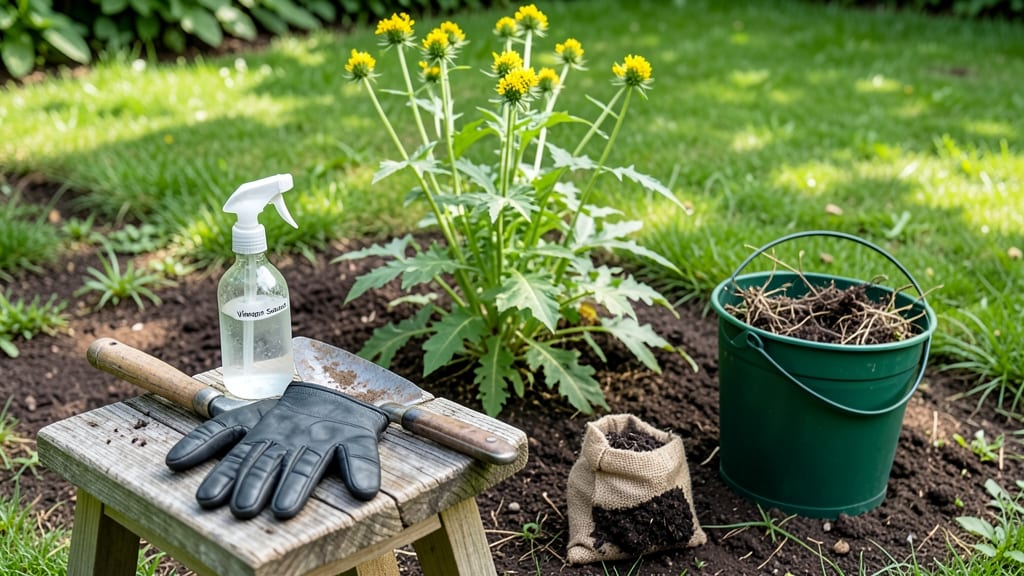
Here’s how to get rid of sow thistle without digging or chemicals—just boiling water and a little patience. 🌱 I’ve battled this invasive weed for years, and this method finally stopped it from creeping back into my garden beds.
The secret lies in the temperature: 212°F water penetrates deep enough to destroy the taproot, preventing regrowth that frustrates even the most persistent gardeners.
Grab a kettle or pot of freshly boiled water and pour it directly over the base of the plant, including the soil around the roots. The weed wilts instantly, and within 24 hours, you’ll see blackened stems—proof the roots are dead.
This works best on young plants before they develop deep roots, but even mature sow thistle succumbs with repeated applications.
What makes this method stand out is its speed and sustainability. No herbicides mean no waiting periods before replanting, and the process takes just 5-10 minutes per patch.
The downside? You’ll need to repeat it for any new sprouts, but the effort pays off in a weed-free garden by midsummer.
For stubborn patches, combine boiling water with a mulch barrier (straw or cardboard) to block sunlight and prevent seeds from germinating. This two-step approach ensures sow thistle doesn’t return—even in the most stubborn corners of your garden.
Why it happens
Sow thistle (Sonchus oleraceus) isn’t just a random weed—it’s a highly adaptive, fast-spreading invader that thrives due to a mix of biological traits and environmental conditions.
Understanding why it takes over your garden or yard is the first step to reclaiming control. Let’s break down the key reasons behind its persistence:
Sow thistle is a prolific seed producer, releasing thousands of tiny, wind-dispersed seeds per plant.
Each seed weighs less than 0.0001 ounces—so light that even a gentle breeze carries them up to 5 miles from the parent plant. 🌪️ - Why it matters: A single sow thistle plant can create a new infestation within weeks if left unchecked. - Actionable insight: The plant’s puffball seed heads release seeds at the slightest touch, meaning one disturbed plant can contaminate an entire area.
Sow thistle grows aggressively, completing its life cycle in as little as 60–90 days under ideal conditions.
Here’s how it outcompetes other plants: - Fast germination: Seeds sprout in 5–10 days when soil temps hit 50°F (10°C) or warmer. - Deep root system: Taproots can grow 2–3 feet deep, accessing water and nutrients that shallow-rooted plants can’t reach. - Photosynthetic efficiency: Its broad, jagged leaves maximize sunlight absorption, shading out weaker plants before they mature.
Fun fact: Sow thistle can regenerate from root fragments as small as 1 inch—meaning even a partial removal can lead to regrowth. ⚠️
Sow thistle loves disruption. It thrives in:
- Freshly tilled or cultivated soil (common in gardens and farmlands).
- Compacted or bare patches (like sidewalks, driveways, or construction sites).
- High-nitrogen environments (e.g., lawns fertilized with synthetic nitrogen or compost-rich beds).
Why? Its seeds lie dormant in the soil for years (up to 5+ years in some cases) until physical disturbance triggers germination. 🔄
| Soil Condition | Sow Thistle Response |
|---|---|
| Loose, disturbed soil | Mass germination within days |
| Compacted or undisturbed | Seeds remain dormant |
| High-moisture, sunny spots | Explosive growth (3+ feet tall in months) |
Sow thistle has minimal natural predators in most regions, making it hard to control:
- Herbicide tolerance: While not fully resistant, it often recover from partial herbicide damage due to its rapid regrowth.
- Lack of grazing pressure: Few animals (like deer or rabbits) eat it due to its mildly bitter, milky sap—which also makes it unappealing to humans.
- Drought resilience: Once established, it survives dry spells by going dormant, only to rebound when rain returns.
Pro tip: If you spot sow thistle in early spring, it’s often the last remaining weed after frost killed other plants—proof of its hardiness. ❄️🔥
Quick Fixes for Sow Thistle
Sow thistle (Sonchus oleraceus) may seem stubborn, but with the right approach, you can eliminate it—roots and all—without breaking a sweat. Below are targeted solutions based on the root cause of your sow thistle problem, from manual removal to chemical-free hacks.
Each method is designed to be effective, eco-friendly, and easy to execute, whether you’re dealing with a small patch or a full-blown invasion.
If your sow thistle is still young and hasn’t spread deep roots, physical removal is your best bet. The key? Timing and technique.
How to Do It Right
- 🔥 Wait for the Right Time
- Pull sow thistle after a rain or when the soil is moist (roots slide out easier).
- Early spring or fall is ideal—plants are less aggressive and easier to uproot.
- 👨🍳 Grab the Base (Not Just the Leaves!)
- Use gloves (sap can irritate skin).
- Twist and tug at the base to break the taproot. If it snaps, leave a small root—it’ll regrow.
- Check for remaining roots—dig 2–3 inches deep to ensure no fragments stay behind.
- 🗑️ Dispose of It Properly
- Do NOT compost—sow thistle seeds can survive and sprout later.
- Bag and trash it or burn it (if local laws allow).
✨ Pro Tip: If pulling feels tedious, try smothering with cardboard or thick mulch for 4–6 weeks to weaken the plant before pulling.
For stubborn sow thistle with deep roots, boiling water is a game-changer. It cooks the roots on contact, killing the plant in minutes.
Step-by-Step Boil-Out Method
- 🍲 Boil 1–2 gallons of water (a large pot or kettle works).
- 🌿 Pour directly over the base of the sow thistle, ensuring the entire root zone is drenched.
- 🔄 Repeat every 3–4 days for 2 weeks to break down stubborn roots.
- 💡 Watch for wilting—if the plant turns yellow/brown, it’s dying.
✨ Pro Tip: Add 1 tbsp of salt or vinegar to the boiling water for extra effectiveness (but test on a small area first—it can harm nearby plants).
If you prefer a spray-and-forget approach, vinegar-based herbicide works wonders for sow thistle. It’s cheap, non-toxic (for pets/kids when dry), and fast-acting.
DIY Vinegar Herbicide Recipe
| Ingredient | Amount | Purpose |
|---|---|---|
| White vinegar (20%+) | 1 gallon | Kills plant tissue |
| Dish soap | 1 tbsp | Breaks surface tension for adhesion |
| Salt (optional) | 1 cup | Enhances drying effect |
How to Apply:
- 🌿 Spray on a sunny day (vinegar works best in direct sunlight).
- 🎯 Cover the entire plant, including leaves and stem.
- 🔄 Reapply every 2–3 days until the plant turns crispy and brown (usually 3–7 days).
- 🗑️ Pull the dead plant once it’s fully desiccated.
⚠️ Warning: Vinegar can damage nearby plants—use a shield (cardboard) to protect them.
Once you’ve banished sow thistle, prevent regrowth with these long-term strategies:
🌱 Soil Health Boosters
- 💪 Improve drainage—sow thistle thrives in wet, compacted soil. Add compost or sand to loosen it.
- 🌿 Mulch heavily—use wood chips or straw (3–4 inches thick) to block sunlight and prevent seeds from germinating.
🌱 Competitive Planting
- 🥗 Plant dense ground covers like clover, creeping thyme, or ornamental grasses to outcompete sow thistle.
- 🌻 Interplant with fast-growing veggies (like lettuce or radishes) to shade the soil.
🌱 Regular Scouting
- 🔍 Check your garden weekly—pull new sprouts before they seed (one plant can produce thousands of seeds!).
- 🗑️ Bag and remove seed heads immediately to prevent spread.
If sow thistle keeps returning despite your best efforts, it may be time for professional help:
- 🌿 Local extension office—they can test your soil and recommend targeted herbicides (like glyphosate for severe cases).
- 🐝 Pest control services—if sow thistle is part of a larger weed ecosystem.
Final Thought: Sow thistle is tough, but consistency is your weapon. Combine manual removal, boiling water, and vinegar sprays for the best results—and prevent future invasions with smart gardening habits. Happy weed-free gardening! 🌱💥
Frequently asked questions about removing sow thistle
Why does boiling water work better than pulling?
Boiling water kills the entire root system instantly, while pulling often leaves fragments behind that regrow. The 212°F temperature penetrates deep into the soil, destroying the taproot that manual removal might miss. For stubborn patches, this method prevents regrowth within 24-48 hours.
Can I use vinegar on sow thistle near my vegetables?
Yes, but with caution! Use a shield (cardboard or plastic) to protect nearby plants. The vinegar solution (1 gallon white vinegar + 1 tbsp dish soap) works best on sunny days—it burns the plant tissue within 3-7 days. Always test on a small area first to avoid damaging edible crops.
How do I prevent sow thistle from coming back?
Combine mulching (3-4 inches of straw or wood chips) with regular scouting. Sow thistle seeds need light to germinate, so blocking sunlight prevents new growth. Also, improve soil drainage—this weed thrives in compacted, wet soil. Check your garden weekly in spring and summer.
Will sow thistle grow back if I only remove the leaves?
The plant will regenerate from the root if you don't remove the entire base. Always pull from the base with gloves and check for remaining root fragments. For deep roots, follow up with boiling water or vinegar to ensure complete elimination.
Is sow thistle harmful to my garden?
While not toxic, it's a competitive nuisance that shades out vegetables and flowers. Its deep roots also compete for water and nutrients. The real danger is its seed production—one plant can create thousands of seeds that spread easily via wind or disturbance.