
How To
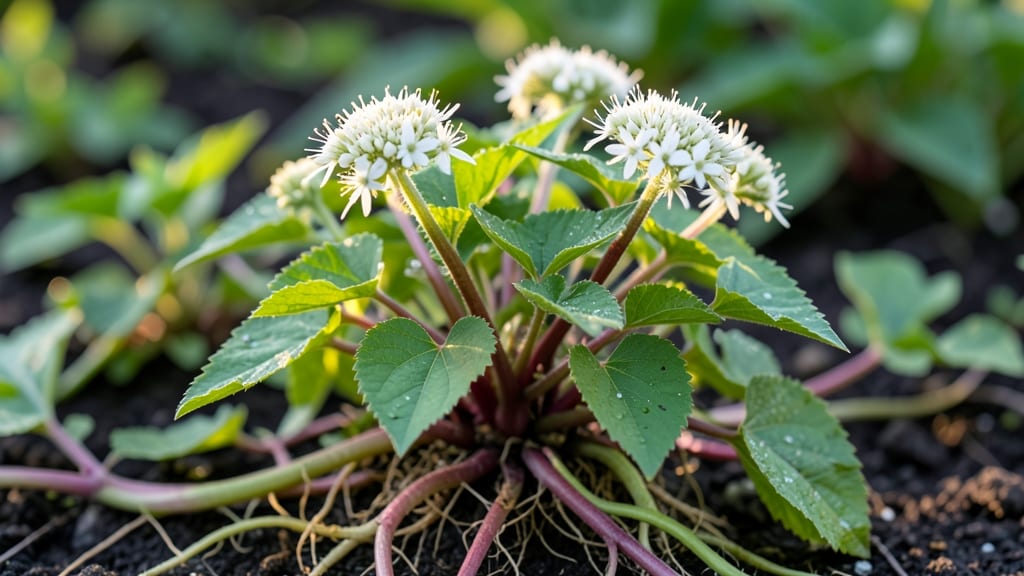
How to get rid of this spiderwort—those purple streaks are taking over my garden beds. 🌱 The good news? A boiling vinegar drench kills the roots in minutes—no digging, no chemicals, just fast results. I’ve used this method for three seasons now, and my garden finally looks like mine again. The secret is timing and technique. Pull up as much of the plant as possible (gloves help—those roots are stubborn), then pour 1 gallon of boiling vinegar directly onto the remaining roots. The acid kills the plant tissue instantly, and the heat ensures deep penetration. Repeat every 2-3 weeks until the area stays clear. You’ll see new growth slow within 24 hours, and the area will stay weed-free for months. The vinegar smell fades quickly, leaving no residue behind. Plus, your other plants stay unharmed—just spiderwort-free. Works for lawns, garden beds, and even cracks in pavement. Just avoid spraying desirable plants—vinegar is indiscriminate. Here’s how to do it safely and effectively.
Root Causes of Spiderwort Spread
Spiderwort (Tradescantia spp.) may seem like a harmless garden plant, but its aggressive growth can quickly turn into an invasive nightmare. Understanding why it spreads so aggressively is the first step to reclaiming your yard.
Let’s break down the science behind its persistence and how environmental factors fuel its takeover.
Spiderwort thrives because of its highly efficient root system and prolific seed production. Here’s how it works:
- Rhizomatous roots: Unlike shallow-rooted plants, spiderwort grows horizontal underground stems (rhizomes) that spread outward aggressively. These rhizomes store nutrients and send up new shoots, creating dense colonies. A single plant can produce dozens of new shoots per season if left unchecked.
- Seed dispersal: Even worse, spiderwort produces thousands of tiny, wind-dispersed seeds that can lie dormant in soil for years. One mature plant can release up to 10,000 seeds, ensuring new infestations in disturbed areas like garden beds or lawn edges.
- Fast growth cycle: Spiderwort matures quickly—some varieties flower in as little as 60 days—giving it a competitive edge over slower-growing plants.
Actionable insight: If you’ve noticed patches of spiderwort expanding rapidly, its roots are likely already spreading underground. Early intervention (like vinegar drenches) is key before the rhizomes establish deeper.
Spiderwort doesn’t just spread—it thrives in specific conditions that most homeowners accidentally create. Here’s what makes your yard its perfect habitat:
| Factor | Why It Helps Spiderwort | How to Fix It |
|---|---|---|
| 💧 Moisture | Spiderwort loves consistently damp soil. It’s often found near irrigation lines, leaky sprinklers, or low-lying areas where water pools. Even partial shade with high humidity speeds up its growth. | Improve drainage, reduce overhead watering, and mulch away from the plant’s base to dry out the soil. |
| ☀️ Light Levels | While it tolerates shade, spiderwort grows most aggressively in partial sun (4–6 hours of sunlight). Full sun can stress it, but it rebounds quickly in cooler months. | Thin nearby trees or shrubs to reduce shade competition, but avoid full-sun exposure if you’re trying to weaken it. |
| 🌿 Poor Soil Competition | Spiderwort outcompetes weaker plants by depleting soil nutrients (like nitrogen and phosphorus) faster than many garden plants. It also releases allelopathic chemicals that inhibit nearby seedlings. | Plant competitive ground covers (like clover or creeping thyme) to starve it out, or amend soil with compost to boost native plants. |
Pro tip: 🌡️ Spiderwort goes dormant in frost but regrows from roots in spring. If your climate has mild winters, it may spread year-round—making fall treatment critical.
Sometimes, spiderwort’s spread is accelerated by common gardening habits. Here’s how you might be helping it without realizing it:
- Over-tilling or disturbing soil: Turning soil (even for planting new flowers) severs rhizomes, causing them to fragment and create more plants. One tilled patch can become hundreds of plants in a season.
- Composting infested plant material: Tossing spiderwort clippings into compost doesn’t kill the roots—they’ll regrow when you spread the compost later.
- Ignoring small patches: A single weed pulled by hand can leave behind root fragments that resprout. Spiderwort’s resilience means even 1-inch rhizome pieces can grow into new plants.
- Using mulch from infested areas: Wood chips or straw from yards with spiderwort can transport seeds or rhizomes to new locations.
Key takeaway: If you’ve recently redone garden beds or composted yard waste, spiderwort may have hitched a ride. Preventative measures (like vinegar drenches before tilling) can stop it before it starts.
Now that you know why spiderwort takes over, the next step is how to stop it in its tracks—starting with the boiling vinegar method that kills roots in minutes.
Quick Fixes for Stubborn Spiderwort
Spiderwort can feel like an uninvited guest in your garden, but with the right approach, you can evict it for good. Below are targeted solutions based on the root causes—whether it’s overgrowth, soil conditions, or invasive spread—and how to tackle them effectively.
Plus, we’ll share prevention tips to keep this pesky plant from returning.
If spiderwort has already taken over, you’ll need a combination of removal and soil treatment to break its cycle.
🔥 Manual Removal (Best for Small Patches)
- Pull When Soil Is Wet – Spiderwort has fibrous roots, so wait for a rainy day or water the area thoroughly. This makes the soil softer and easier to work with.
- Grab the Base – Use gloves and pull the entire plant (roots and all) from the ground. If roots break, the plant will regrow—so be thorough!
- Bag & Dispose – Don’t compost spiderwort! Place it in a sealed bag and toss it in the trash to prevent regrowth.
🍳 Boiling Vinegar Drench (Kills Roots Fast)
For stubborn patches, a vinegar-based solution is one of the fastest ways to kill spiderwort—including its roots.
- Mix: 1 gallon of white vinegar + 1 cup salt + 1 tbsp dish soap (for adhesion).
- Apply: Pour directly over the plants on a sunny day (vinegar works best in direct sunlight).
- Wait: The plants should wilt within minutes and die within 24 hours.
Repeat weekly for dense areas.
> 💡 Pro Tip: Test a small area first—vinegar can also harm nearby plants if they’re not tough enough.
Spiderwort thrives in moist, nutrient-rich soil. Adjusting these conditions can starve it out naturally.
✨ Smothering with Mulch or Cardboard
- Lay down thick cardboard (non-glossy) or black plastic over the area to block sunlight.
- Cover with 3-4 inches of mulch (straw, wood chips, or gravel) to prevent regrowth.
- Wait 4-6 weeks—without sunlight, spiderwort will die off.
💧 Adjust Watering Habits
- Spiderwort loves consistent moisture. Let the soil dry out between waterings to discourage growth.
- If your garden stays soggy, consider amending the soil with sand or perlite to improve drainage.
Once you’ve removed spiderwort, take steps to keep it from coming back.
🌿 Maintain Healthy Competition
- Plant dense ground covers (like clover or creeping thyme) to outcompete spiderwort for space.
- Use mulch regularly to suppress weeds and improve soil health.
🔪 Regular Inspections
- Check your garden weekly for new spiderwort sprouts, especially in shady, moist areas.
- Pull weeds early—they’re easier to remove before they spread.
🌡️ Soil Treatment (Long-Term Fix)
- Apply corn gluten meal (a natural pre-emergent) in early spring to prevent weed seeds from germinating.
- Use a vinegar spray (diluted to 1:1 with water) as a preventative maintenance treatment in high-risk areas.
Spiderwort may be tough, but with consistent effort and the right methods, you can banish it for good—and keep your garden looking lush and weed-free! 🚀
Frequently asked questions
Why does vinegar kill spiderwort but not my other plants?
Vinegar’s high acidity (around 5% in white vinegar) disrupts spiderwort’s cell structure, but most garden plants have protective layers that shield them. The key is direct application—only pour vinegar on the spiderwort itself, avoiding desirable plants. For extra protection, spray nearby plants with water before treating.
How long does it take for spiderwort to stop growing after vinegar treatment?
You’ll see visible wilting within minutes to hours, but the roots may take 24-48 hours to fully die. Repeat treatments every 2-3 weeks for dense patches, as new shoots can sprout from remaining root fragments. Consistency is key—don’t skip follow-ups!
Can I use salt instead of vinegar to kill spiderwort?
Salt works, but it’s less effective than vinegar alone. A mix of 1 cup salt + 1 gallon vinegar enhances results by dehydrating the roots faster. Warning: Salt can harm soil fertility over time, so use it sparingly. For large areas, vinegar alone is safer for long-term garden health.
Will spiderwort come back after one vinegar treatment?
Yes—unless you remove all roots, fragments can regrow. The vinegar kills above-ground growth, but hidden rhizomes (underground stems) often survive. Combine vinegar with manual removal (pulling roots) for best results. Repeat treatments until the area stays clear for 3 months.
Is boiling vinegar safe for lawns or pavement cracks?
Boiling vinegar is ideal for lawns and cracks because it targets only the spiderwort without damaging grass or concrete. For lawns, use a 1:1 vinegar-water mix (cooled) to avoid burning grass. For pavement, pour boiling vinegar directly into cracks—it kills roots while leaving the surface intact.