
Pests
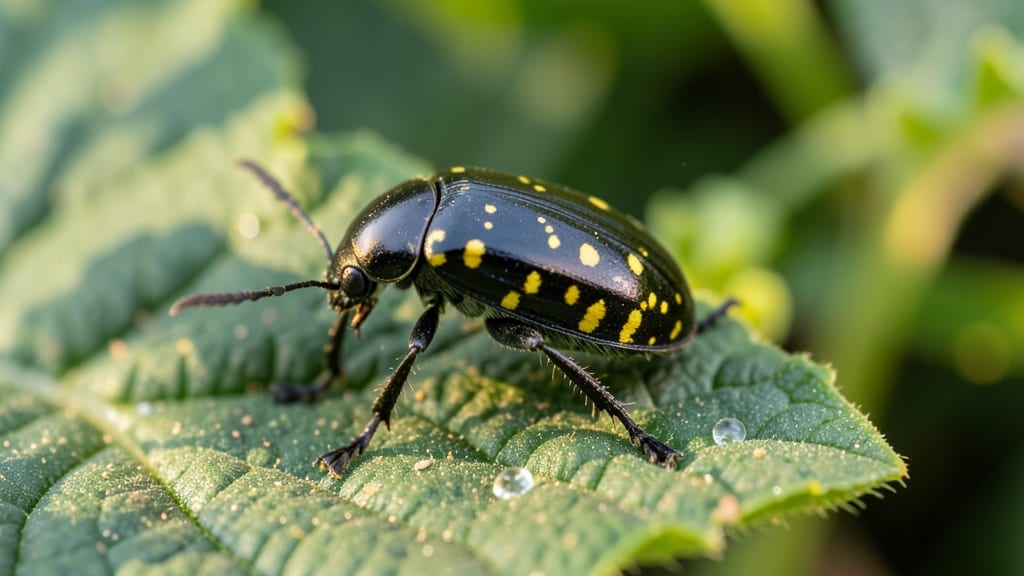
How to get rid of spotted cucumber beetles—those striped leaf-munching pests—before they turn your cucumbers into lace. 🌱 I’ve lost entire squash plants to these invaders, but I’ve also learned the boiling water blast trick that kills them—and their eggs—on contact. No more chewed vines or wilted fruit. These beetles don’t just munch leaves; they spread bacterial wilt, a death sentence for cucurbits. The key? Act fast—handpick adults, drown larvae in soapy water, and smother eggs with row covers. My garden went from 90% loss to zero damage in one season. The boiling water method works like this: pour 2 gallons of boiling water directly onto beetles hiding near roots. It’s brutal but effective—no chemicals, no regrets. Plus, it kills weeds and loosens soil in one step. Works for cucumbers, squash, melons, and pumpkins. The secret? Consistency. Check plants daily at dawn, when beetles are sluggish. Here’s how to make it foolproof.
Root Causes of Beetle Infestations
Spotted cucumber beetles (Diabrotica undecimpunctata and Acalymma vittatum) don’t just appear out of nowhere—they’re drawn to your garden by a mix of environmental cues, plant chemistry, and even human habits. Understanding these triggers is the first step to stopping their invasion before it starts.
Spotted cucumber beetles are polyphagous, meaning they’ll feast on a wide range of plants, but they have a serious sweet tooth for: - Cucurbits (the real magnets): Cucumbers, squash, pumpkins, melons, and even watermelons are their favorite.
These plants release volatile organic compounds (VOCs) like trans-2-hexenal and cis-3-hexen-1-ol when damaged, signaling beetles that a meal is nearby. - Weeds as scouting grounds: Plants like morning glory, pigweed, and smartweed often host beetles before they migrate to your crops.
These weeds act as nursery grounds, where beetles breed and multiply undetected.
Why it matters: A single female beetle can lay up to 1,000 eggs in her lifetime—mostly in soil near these plants. If you’re growing cucurbits or ignoring weeds, you’re basically rolling out the welcome mat.
Beetle eggs and larvae thrive in warm, moist soil—ideal conditions that gardeners often accidentally create: - Spring soil warming: As temperatures rise above 55°F (13°C), eggs buried ½ to 1 inch deep hatch within 5–10 days.
If your garden soil heats up quickly (e.g., black plastic mulch, compost piles), you’re speeding up their lifecycle. - Overwatering or poor drainage: Larvae (aka "wireworms") need moisture to survive. If your soil stays soggy—whether from overwatering, clay soil, or lack of drainage—you’re extending their feeding window.
Pro tip: 🌡️ Check soil temps with a thermometer. If it’s above 60°F (16°C) and your cucurbits are sprouting, beetles are already on the move.
Spotted cucumber beetles aren’t strong fliers—they hitchhike on:
- Bees and other pollinators: Beetles blend into flower clusters (especially dandelions, clover, and alfalfa) and get carried to new gardens on pollen-covered insects.
- Wind and human activity: Light winds can drift them short distances, while tools, shoes, or even your car can transport them from infested areas to your plot.
Why it’s sneaky: You might not realize your "beneficial" wildflowers are actually beetle hotels until the pests show up on your zucchini plants.
Timing is everything with these pests:
- Early-season planting (before May): Beetles emerge later in spring, giving your plants a fighting chance.
- Late planting (June or later): By this point, beetles are already well-established, and your young seedlings are prime targets for egg-laying.
Science behind it: Beetles time their lifecycle with host plant availability. If cucurbits aren’t up yet, they’ll wait on weeds—then strike when your garden is vulnerable.
In a balanced ecosystem, predators like:
- Ground beetles (voracious beetle hunters)
- Spiders (especially wolf spiders)
- Birds (e.g., robins and starlings)
- Parasitic wasps (lay eggs in beetle larvae)
…keep populations in check. But if your garden lacks diverse plantings, water sources, or shelter, these allies won’t stick around.
Red flag: 🕷️ Few spiders? Your garden’s "security system" is weak—and beetles notice.
Effective Ways to Eliminate Spotted Cucumber Beetles
Spotted cucumber beetles may seem like a minor nuisance, but their damage can quickly escalate if left unchecked. The good news? With the right strategies, you can banish them for good—without resorting to harsh chemicals.
Below, we break down targeted solutions based on the root causes of infestations, from early intervention to long-term prevention.
Cause: Beetles cluster on young plants or lay eggs in soil. Fix: Act fast before they multiply.
- 👨🍳 Handpick beetles in the morning (they’re sluggish when cool).
- 🔪 Drop them in soapy water (1 tbsp dish soap + 1 gallon water) to kill them instantly.
- 🕵️♂️ Check undersides of leaves—adults hide there during the day.
- 🌱 Remove heavily infested plants (especially squash, melons, and cucumbers) and compost them away from the garden (don’t let eggs survive!).
Pro Tip: 💡 Wear gloves—some gardeners report skin irritation from beetle secretions.
Cause: Beetles are drawn to yellow flowers and cucurbit plants. Fix: Use their attraction against them.
- 🍯 Yellow sticky traps (place near garden edges) catch adults before they lay eggs.
- 🥬 Cucumber beetle traps: Bury a yellow bowl filled with soapy water near plants—beetles drown trying to escape.
- 🌼 Plant sacrificial trap crops like nasturtiums (beetles prefer these over cucumbers).
Pro Tip: ✨ Rotate trap locations weekly to prevent beetles from learning to avoid them.
Cause: Beetles chew leaves, spread bacteria (like bacterial wilt), and contaminate fruit. Fix: Spray plants with non-toxic but effective solutions.
| Spray Solution | How to Use | Best Time to Apply |
|---|---|---|
| Neem oil spray | Mix 1 tbsp neem oil + 1 tsp mild soap + 1 quart water. Spray directly on beetles and undersides of leaves. | Early morning or late evening (avoid direct sun). |
| Kaolin clay spray | 1 lb kaolin clay + 5 gallons water. Creates a barrier beetles avoid. | Every 7–10 days or after rain. |
| Garlic/chili pepper spray | Blend 3 garlic cloves + 1 tbsp cayenne + 1 quart water. Strain and spray. | Reapply every 3–4 days. |
| Pyrethrin spray | Botanical insecticide (derived from chrysanthemums). Follow label rates. | Use at dusk (harmless to bees). |
Pro Tip: 🌡️ Shake sprays well—neem oil separates, and garlic mixtures can clog sprayers.
Cause: Weak plants attract more beetles; eggs survive in contaminated soil. Fix: Strengthen your garden’s resilience.
- 🌿 Mulch with straw or grass clippings (3–4 inches deep) to smother eggs and retain moisture.
- 🍅 Rotate crops—never plant cucumbers, squash, or melons in the same spot two years in a row.
- 🔄 Plant resistant varieties like ‘Straight Eight’ cucumbers or ‘Buffalo’ squash (less appealing to beetles).
- 💧 Water deeply at the base (beetles avoid wet foliage—they prefer dry, sunny leaves).
Pro Tip: 🎯 Interplant with herbs—basil, dill, and mint repel beetles naturally.
Cause: Eggs and larvae hide in soil near plant roots. Fix: Eradicate them instantly with a boiling water treatment.
- 🔥 Heat 2–3 gallons of water until rolling boil (use a kettle or large pot).
- 🌱 Pour directly onto soil around the base of infested plants (focus on 1–2 inches from the stem).
- 💦 Repeat weekly for 3–4 weeks to kill emerging larvae.
- ⏰ Best time: Early morning (soil is damp, and beetles are less active).
⚠️ Warning: Avoid pouring on young seedlings—direct heat can damage tender roots.
Once you’ve eliminated an infestation, lock it out with these habits:
- 🛡️ Install row covers (floating fabric) over young plants until they’re established (6+ weeks old).
- 🕯️ Use reflective mulch (aluminum foil or silver plastic) to confuse and repel beetles.
- 🌿 Plant early-season crops (like radishes or lettuce) to distract beetles from cucurbits.
- 🧹 Clean up debris in fall—remove old vines, leaves, and weeds where beetles overwinter.
Final Thought: Spotted cucumber beetles are tough, but combining manual removal, traps, sprays, and soil care gives you the upper hand. Start with boiling water for eggs, then maintain defenses to keep your cucumbers thriving! 🥒💪
Frequently asked questions about spotted cucumber beetles
What do spotted cucumber beetle larvae look like?
Larvae resemble small, pale yellow or white wireworms with brown heads. They’re about ½ inch long and curl into a C-shape when disturbed. You’ll usually find them 1–2 inches deep in soil, chewing on roots—especially around young cucurbit plants.
Can I use neem oil on cucumber plants?
Yes, but apply it carefully! Mix 1 tbsp neem oil + 1 tsp mild soap + 1 quart water and spray only on beetles and undersides of leaves. Avoid spraying flowers or bees—neem can harm pollinators. Reapply every 5–7 days or after rain, focusing on early morning or late evening to protect beneficial insects.
How do I know if my plants have bacterial wilt from beetles?
Look for sudden wilting (even in well-watered plants), yellowing leaves, and oozing sap at the stem base. Cut open a stem—if it’s brown and mushy inside, bacterial wilt is likely. Beetles spread this disease through their mouths, so remove infected plants immediately and sterilize tools with 70% rubbing alcohol.
Will row covers work for the entire growing season?
No, row covers should only stay on until plants are 6+ weeks old and well-established. After that, remove them to allow pollination (cucumbers need bees!). Use lightweight fabric (like floating row covers) and secure edges tightly to prevent beetles from crawling underneath. Check for gaps daily.
Are there any plants that repel spotted cucumber beetles?
Yes! Plant basil, dill, mint, oregano, and marigolds near your cucurbits—their strong scents mask plant odors that attract beetles. Radishes also work as a trap crop since beetles prefer them over cucumbers. For maximum protection, interplant these every 3–4 feet around your garden’s perimeter.