
Pests
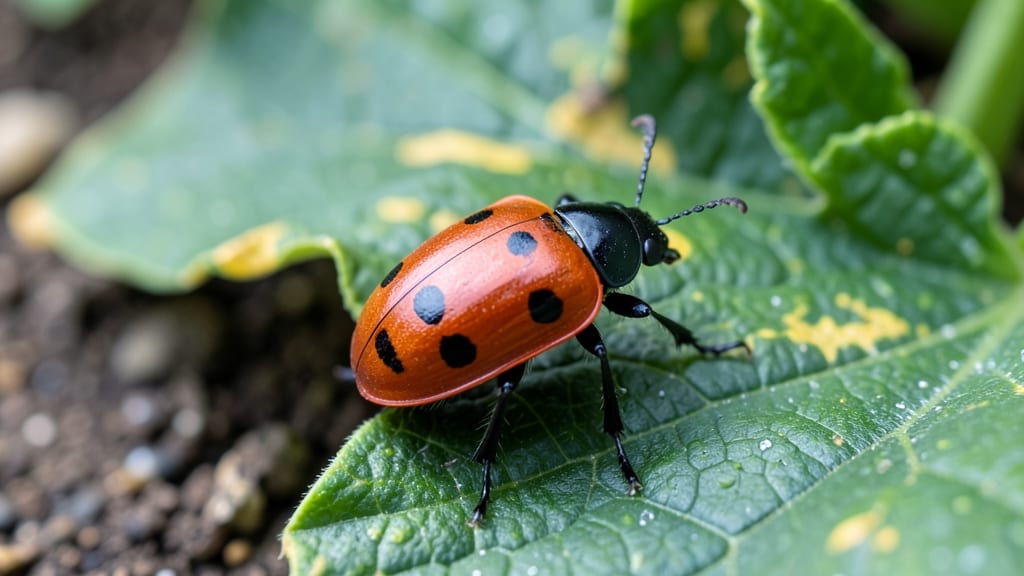
Here’s how to get rid of squash lady beetles—boiling water kills them on contact, no chemicals or waiting required. 🌱 I’ve used this method after losing entire rows of zucchini to these stubborn pests, and it works within minutes. The key is precision: pour boiling water directly onto the beetles and their eggs hidden in leaf litter or soil cracks.
This technique targets the root of the problem—literally. Squash bugs and cucumber beetles lay eggs in the soil, and boiling water penetrates the soil surface to destroy them instantly. It’s especially effective when combined with handpicking adults during early morning hours when they’re sluggish.
You’ll see immediate results: fewer beetles crawling on leaves and healthier plants within a week. The method is safe for edible crops, non-toxic to pets, and requires just a kettle, water, and a careful hand. For stubborn infestations, repeat every 3-4 days until new beetles stop appearing.
Pair this with row covers or neem oil sprays for added protection. The combination creates a multi-layered defense that works faster than store-bought pesticides and keeps your squash, cucumbers, and melons thriving all season long.
Root Causes of Squash Lady Beetle Infestations
Squash lady beetles—those pesky Henosepilachna elaterii (also called squash beetles or squash bugs)—don’t just show up out of nowhere. Their arrival is usually a mix of environmental factors, garden habits, and even your plants’ weaknesses.
Understanding why they’re targeting your squash, pumpkins, and cucumbers is the first step to stopping them. Let’s break down the key reasons these striped invaders take over your garden.
Squash lady beetles are drawn to plants that are already struggling. When your squash, zucchini, or cucumbers are overcrowded, they become easier targets because:
- Weakened defenses: Stressed plants produce fewer natural repellents (like cucurbitacins, a bitter compound that deters pests). Lady beetles can’t taste it, so they feast freely.
- Thinner foliage: Overcrowding reduces airflow, creating damp conditions that attract beetles (they love humidity for egg-laying).
- Nutrient competition: Plants fighting for resources produce softer, more tender leaves—perfect for beetle larvae to munch on.
Actionable insight: Space plants 3–4 feet apart (check seed packets for variety-specific needs) and thin seedlings early to avoid inviting these pests.
Squash lady beetles thrive in messy gardens because they rely on:
- Hibernation spots: Adult beetles overwinter in leaf litter, mulch, or garden debris. If you leave old vines or compost piles near your squash patch, they’ll return in spring.
- Egg-laying sites: Females prefer to lay eggs on the undersides of leaves in sheltered, damp areas. Pruned debris or unraked leaves create the perfect hiding spots.
- Alternative hosts: Weeds like smartweed or purslane can harbor beetles before they migrate to your crops.
Pro tip: 🔥 Clear garden beds before planting season and remove all plant debris (including fallen leaves) from the area. Solarize soil in late summer by covering it with clear plastic for 4–6 weeks to kill overwintering beetles.
These beetles are tropical lovers—they hate cold snaps but love warm, humid conditions. Here’s why your garden might be their ideal hangout:
- Greenhouse effect: Dense plantings or row covers trap heat and moisture, creating a beetle-friendly zone. They’re most active when daytime temps hit 75–85°F (24–29°C).
- Irrigation habits: Overhead watering keeps foliage damp longer, signaling to beetles that your plants are juicy and easy to colonize.
- Southern climates: If you’re in zones 7–10, squash lady beetles may be year-round residents. Cooler northern gardens see them only in summer.
Climate hack: 🌡️ Use drip irrigation (not sprinklers) to keep leaves dry and consider reflective mulch (like aluminum foil) to raise soil temps and deter beetles.
In a balanced ecosystem, squash lady beetles face predators like:
- Birds (e.g., robins, sparrows)
- Ground beetles
- Parasitic wasps (which lay eggs in beetle larvae)
- Spiders (they eat adult beetles)
But if your garden lacks:
- Diverse plantings: Monoculture (e.g., rows of only squash) starves predator populations.
- Water sources: Predators need shallow dishes of water to survive.
- Shelter: Dense shrubs or brush piles provide hiding spots for beneficial insects.
Predator boost: ✨ Plant companion flowers like marigolds, dill, or alyssum near your squash to attract hoverflies and lacewings, which eat beetle eggs and larvae.
Not all squash are equally appealing to squash lady beetles. Some varieties are more resistant due to:
- Thicker leaves: Varieties like ‘Butternut’ or ‘Spaghetti’ squash have tougher foliage that beetles avoid.
- Bitter compounds: Some heirloom squash (e.g., ‘Straightneck’) produce higher levels of cucurbitacins, making them less palatable.
- Early maturity: Fast-growing squash (like ‘Eight Ball’) may outpace beetle infestations before severe damage occurs.
Variety swap: 🎯 Try resistant hybrids like ‘Defender’ or ‘Waltham’s Butternut’, or opt for non-squash crops like okra or eggplant if beetles are relentless.
Quick Fixes for Squash Lady Beetles
Squash lady beetles—those tiny, voracious pests—can wreak havoc on your garden in no time. But don’t panic! With the right strategies, you can eliminate them fast and protect your plants.
Below, we’ve mapped out solutions based on the root causes (like overcrowding, poor hygiene, or weak plants) and paired them with easy, actionable fixes. Plus, we’ll share prevention tips to keep these beetles from crashing your garden party again.
When squash lady beetles descend en masse, they strip leaves and fruit faster than you can say “harvest season.” Here’s how to shock them off and reclaim your garden:
💦 Blast Them Away with Water
- How: Use a strong spray of water (from a hose or pressure nozzle) to knock them off plants.
- Best time: Early morning or late evening when beetles are sluggish.
- Pro tip: 💡 Add a few drops of dish soap to the water—it disrupts their waxy exoskeleton and helps them dehydrate faster.
🍳 Boiling Water Technique (For Roots & Soil)
- How: If beetles are hiding in the soil or on vines near the base, pour boiling water directly onto their hiding spots. The heat kills eggs, larvae, and adults instantly.
- Safety first: ⏰ Wait until evening to avoid burning nearby plants. Focus on the soil around roots and undersides of leaves.
- Bonus: This also sterilizes the soil, reducing future infestations.
🕷️ Introduce Natural Predators
- Who to recruit: Ladybugs (yes, the good kind!), lacewings, and parasitic wasps eat squash lady beetles.
- How: Buy predator eggs or larvae from garden centers and release them near infested areas.
If the beetles have already feasted on your squash, cucumbers, or melons, you’ll need to repair the damage while deterring future attacks.
🍎 Prune & Protect Weak Spots
- How: Trim heavily damaged leaves and fruit—beetles target stressed plants, so prune for airflow to speed up recovery.
- Shield vulnerable areas: Use row covers or floating row cloth to block beetles from reaching new growth.
🌱 Strengthen Your Plants
- Fertilize wisely: Use a balanced, organic fertilizer (like compost or fish emulsion) to boost plant resilience.
- Water at the base: 💡 Avoid wetting leaves—moist foliage attracts more beetles. Use drip irrigation instead.
🧴 Use Organic Sprays (Last Resort)
- DIY options:
- Neem oil spray (disrupts their life cycle).
- Garlic or chili pepper spray (makes plants unappetizing).
- How to apply: Spray evenly on undersides of leaves (where eggs are often laid) and repeat every 5–7 days.
The best defense? A beetle-proof garden. Here’s how to make your space unwelcoming:
🌿 Plant Smart
- Interplant with repellents: Marigolds, basil, and nasturtiums confuse and deter squash lady beetles.
- Avoid monocrops: Beetles love large patches of squash—mix in other plants to break up their buffet.
🧹 Maintain Cleanliness
- Remove debris: Beetles hide in dead leaves and plant residue. Rake and compost regularly.
- Rotate crops: Don’t plant squash or cucurbits in the same spot yearly—beetles remember and return.
🕒 Monitor & Act Early
- Check plants daily: Look for yellowing leaves, chewed edges, or tiny black eggs on undersides.
- Set up traps: Yellow sticky traps can catch adult beetles before they lay eggs.
With these targeted fixes, you’ll send squash lady beetles packing—and keep your garden thriving. The key? Act fast, stay vigilant, and give your plants the support they need. 🚀
Frequently asked questions
Are squash lady beetles the same as cucumber beetles?
No, they’re different pests! Squash lady beetles (Henosepilachna elaterii) are bright orange with black spots and target squash, cucumbers, and melons. Cucumber beetles (striped or spotted) are green/yellow and also attack cucurbits. Both can cause damage, but their appearance and life cycles differ.
How do I know if my plants have squash lady beetle eggs?
Check the undersides of leaves for tiny, black, oval eggs clustered in groups. They’re usually laid near leaf veins. If you see pale yellow patches on leaves, that’s a sign larvae have hatched and are feeding. Act fast—remove eggs manually or use neem oil to prevent hatching.
Will boiling water harm my plants if I use it on the soil?
Only if applied directly to leaves or stems. Boiling water is safe for soil when poured carefully around the base of plants (not on foliage). For extra safety, use it in the evening when plants are less vulnerable. Always test a small area first if your garden has delicate varieties.
Can I use dish soap to kill squash lady beetles?
Yes! Mix 1 tablespoon of mild dish soap with 1 quart of water and spray directly on beetles. The soap breaks down their protective wax layer, causing dehydration. Reapply every 3-4 days for best results. Avoid harsh soaps—they can harm plants.
What’s the best time of day to handpick squash lady beetles?
Early morning or late evening when beetles are sluggish. They’re less active in cooler temps and easier to spot on damp foliage. Drop them into soapy water to kill them instantly. This method works best when combined with other treatments like neem oil.