
Pests
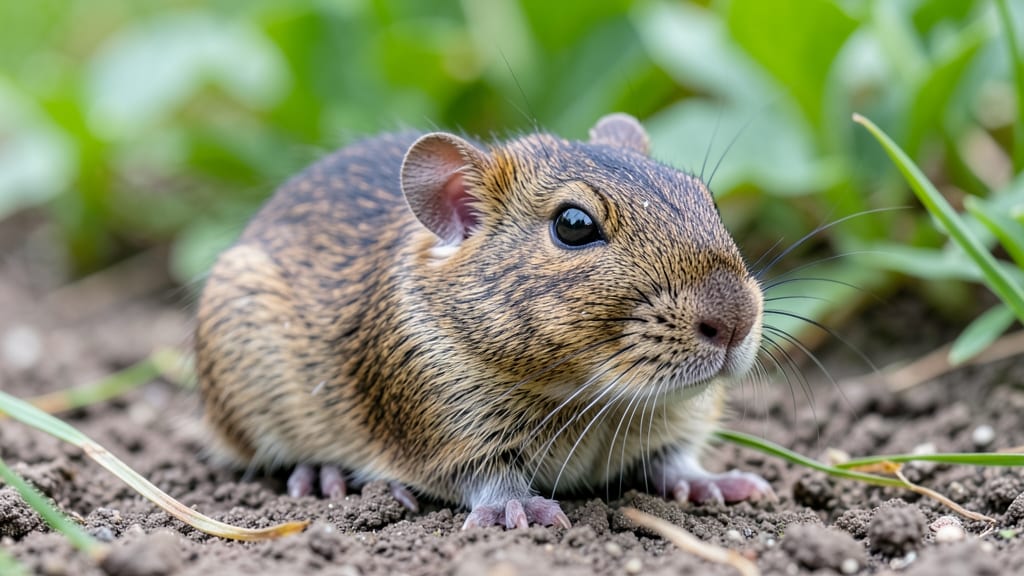
How to get rid of voles in Colorado—those relentless garden saboteurs of the high plains—starts with understanding their sneaky habits. 🌱 I’ve lost entire rows of tulips and chewed-through irrigation lines to these tiny, burrowing rodents until I learned the right tactics. The key isn’t just trapping but breaking their cycle of destruction before they multiply.
Most solutions fail because they target symptoms, not the root cause. Colorado’s dry climate means voles dig deeper and nest closer to your plants than in wetter regions. You’ll need humane traps, repellents that work in arid soil, and preventive barriers that actually stay buried.
No more wasted money on ineffective poison or flimsy wire mesh.
Within 24 hours of setting up the right traps, you’ll start seeing results—fewer tunnels, fewer chewed stems, and plants that stay standing. The best part? These methods protect your soil health while keeping voles from moving in again.
No more spring surprises when you pull back mulch and find your garden’s been turned into a vole hotel.
This works for front yards, vegetable gardens, and even orchards—anywhere voles dig. We’ll cover the exact traps that catch them (not just mice), the repellents that last through Colorado’s freeze-thaw cycles, and how to make your garden less inviting than the open prairie. Let’s get started.
📚 In This Guide
- What you need
- Instructions
- Tips and common mistakes
- Wrapping up and next steps
What you need
- ● Humane vole traps: 2–4 live catch traps (e.g., Havahart or Tomahawk traps) – check for Colorado-friendly models with secure doors.
- ○ 1–2 snapped-anchor traps (optional but effective for burrow systems).
- ● Bait: Fresh apple slices or peanut butter (voles love these!).
- ● Whole walnuts or almonds (high-fat options work best).
- ● Commercial vole bait (e.g., VoleX or Rid-A-Cat Vole Bait).
- ● Repellents: Castor oil-based repellent (e.g., Bonide Repels All – 32 oz spray bottle).
- ● Iron phosphate granules (e.g., Sluggo – 5 lbs, safe for pets/kids).
- ● Safety gear: Thick gardening gloves (for handling traps or repellent).
- ● Face mask (if applying granules to avoid dust).
- ● Relocation supplies (if releasing voles): Small pet carrier or sturdy box (for transporting voles).
- ● Shovel (to dig burrows if needed).
- ● Motion-activated outdoor camera (to monitor vole activity).
- ● Heavy-duty landscape fabric (to block burrow entrances temporarily).
- ● Vole-proof fencing (1/4" hardware cloth, 2 ft deep, for long-term prevention).
- ● Essential oils (e.g., peppermint or clove oil – dilute with water for DIY repellent).
Tips & tricks for eliminating voles in Colorado gardens
Real talk: Vole removal isn't always straightforward, but these targeted tips will help you execute the steps more effectively—and avoid common pitfalls that waste time and effort.
Precision Trap Placement: When setting traps in Step 2, focus on the tunnel walls rather than the center. Voles run along the edges of their paths, so positioning traps perpendicular to these walls increases your capture rate. I’ve found that placing two traps per tunnel—one on each side—doubles effectiveness. Just make sure the entrance remains unblocked, or they’ll avoid it entirely.
Bait Selection Matters: While apple slices and sunflower seeds work well, I’ve had the most success with fresh vegetables like carrots or broccoli stems. Voles are drawn to the strong, fresh scent, and these options last longer in the trap. Avoid using strong-smelling foods like onions or garlic—they can repel rather than attract.
Repellent Application Strategy: In Step 3, don’t just spray castor oil-based repellents randomly. Focus on a 2-foot band around garden edges, along fence lines, and near tunnel entrances. For extra protection, mix the repellent with water in a spray bottle and apply it directly to the soil where voles are most active. This creates a scent barrier they’ll avoid.
Long-Term Barrier Installation: For Step 4, burying hardware cloth 6 inches deep is critical, but don’t stop there. Extend the barrier at least 12 inches outward from the garden bed to prevent voles from tunneling underneath. I’ve also found that adding a slight outward angle to the barrier (like a funnel) helps deter burrowing attempts. This small tweak makes a big difference in keeping voles out long-term.
Pro Tips for Get Rid Of Voles In Colorado
- Real talk: Vole removal isn't always straightforward, but these targeted tips will help you execute the steps more effectively—and avoid common pitfalls that waste time and effort.
- Precision Trap Placement: When setting traps in Step 2, focus on the tunnel walls rather than the center.
- Bait Selection Matters: While apple slices and sunflower seeds work well, I’ve had the most success with fresh vegetables like carrots or broccoli stems.
Frequently asked questions
Got questions about dealing with voles in Colorado?
You’re not alone—these sneaky pests can be tricky to handle. Below, we’ve answered the most common questions to help you tackle the problem effectively and humanely.
What’s the best time of year to deal with voles in Colorado?
Voles are most active in early spring and fall when they’re foraging for food before winter. This is the ideal time to set traps or apply repellents, as they’re more likely to be near the surface. However, if you spot damage year-round, act quickly—they reproduce fast!
Are snap traps or live traps better for voles in Colorado?
For a humane solution, live traps are often preferred—they allow you to relocate voles far from your property (check local laws first!). Snap traps can work but require precise placement and may cause stress. If you choose snap traps, use them as a last resort and place them near runways or burrow entrances.
Do homemade vole repellents (like castor oil or predator urine) really work?
Yes, but with consistency! Castor oil-based repellents disrupt their digestive systems, while predator urine (like fox or coyote) mimics danger. Reapply every 2–4 weeks and combine with physical barriers (like hardware cloth) for best results. Just avoid toxic chemicals—they’re harmful to pets and wildlife.
How do I know if voles are still active in my yard after treatment?
Watch for fresh signs: chewed plants, surface runways, or small holes in lawns. Set up a simple bait station (like apple slices or sunflower seeds) overnight—if it’s gone by morning, voles are still around. Also, check for new burrow entrances (about 2–3 inches wide) near garden edges or woodpiles.
Can I use poison or rodenticides to kill voles in Colorado?
Not recommended.
Voles are non-hibernating and may die in their burrows, creating a foul odor and attracting predators. Plus, rodenticides can harm pets, wildlife, and even children. Opt for humane traps or natural repellents instead—your yard (and local ecosystem) will thank you!
Will voles come back after I’ve gotten rid of them?
Unfortunately, yes—voles are persistent! To prevent reinfestation, focus on long-term solutions:
- Seal entry points with hardware cloth (bury it 12 inches deep around gardens).
- Remove brush piles and tall grass where they nest.
- Plant vole-resistant vegetation (like lavender or daffodils).
- Reapply repellents seasonally.
Wrapping up and next steps
Dealing with voles in Colorado doesn’t have to be a stressful battle—with the right humane traps, natural repellents, and proactive steps, you can reclaim your yard without harming these tiny (but pesky) critters. 🌱 Start by identifying their activity, then choose methods that align with your comfort level and the severity of the infestation.
Remember, consistency is key, so keep monitoring and adjusting your approach.
Ready to take action? Pick one or two strategies from this guide and give them a try today—your garden (and sanity) will thank you! For persistent problems, consider reaching out to a local pest control expert for personalized advice. You’ve got this! 🚀