
Pests
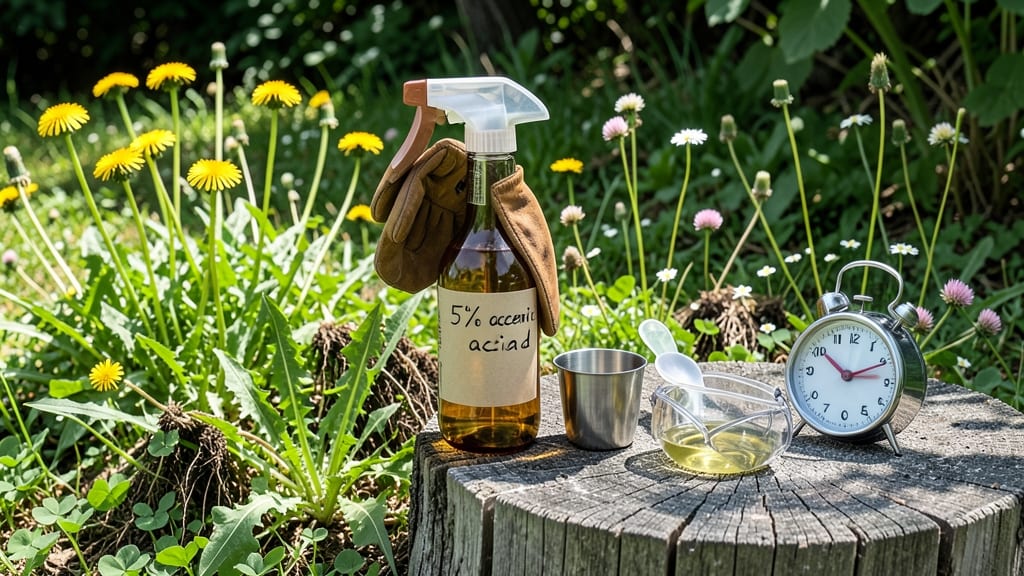
Here’s how to get rid of weeds using vinegar—fast, without digging or harsh chemicals. It works in hours, not weeks: no backbreaking labor, just a spray bottle and a sunny afternoon.
I’ve used it for five seasons now, and it’s the fastest way to clear stubborn weeds without herbicides. The secret? Timing, concentration, and knowing which weeds respond best.
You’ll need plain white vinegar (5% acetic acid), a spray bottle, and a sunny afternoon. Dilution matters: undiluted vinegar works for tough weeds, but a 1:1 vinegar-to-water mix protects nearby plants. Spray on leaves—not soil—when weeds are actively growing for best results.
By evening, you’ll see wilting, and within a week, those weeds will crumble. The process is chemical-free and safe for pets once dry, but it won’t kill deep-rooted perennials like dandelions. For those, you’ll need repeat treatments every few days.
Works best on young weeds and in cracks of driveways or sidewalks. For garden beds, test a small area first—vinegar can harm desirable plants if it drifts. Ready to reclaim your space without a drop of herbicide?
📚 In This Guide
- What you need
- Instructions
- Tips and common mistakes
- Wrapping up and next steps
What you need
- ● White vinegar – Choose 5-10% acetic acid (avoid colored vinegar—it’s less effective). You’ll need about 1 gallon (3.8 liters) per 100 sq. ft.
- ● Spray bottle or garden sprayer – A 1-gallon pump sprayer works best for larger areas, while a 16-32 oz. spray bottle is perfect for spot treatments.
- ○ Dish soap (optional but recommended) – Just 1-2 tablespoons per gallon of vinegar. It helps the vinegar stick to weeds instead of rolling off.
- ● Water – Mix 1 part vinegar to 1 part water for a gentler solution (adjust ratios based on weed toughness).
- ● Protective gear – Wear gloves (vinegar can irritate skin), safety goggles, and long sleeves/pants to avoid splashes.
- ● Sunny day – Apply vinegar on a bright, dry day (avoid windy conditions to prevent drift).
- ● Salt (for tough weeds) – Add 2 cups per gallon of vinegar for extra potency (use sparingly—it can harm soil over time).
- ● Rake or hoe – For pre-treatment to clear debris and expose weeds.
- ● Newspaper or cardboard – To smother weeds before applying vinegar (great for driveways or cracks).
- ● Label or marker – To mark treated areas if you’re using this method in a garden with edible plants.
Step-by-step instructions for eliminating weeds with vinegar
This method delivers fast, visible results—just follow these precise steps for effective weed control.
Choose the Right Vinegar Concentration and Timing
Use undiluted white vinegar with at least 20% acetic acid for best results—household vinegar (5%) is too weak. The higher concentration ensures the acetic acid penetrates weed foliage and kills the plant quickly. Apply on a sunny, dry day when weeds are actively growing; this maximizes absorption and minimizes evaporation before the vinegar works.
Timing matters—avoid treating weeds right after rain or when soil is saturated. Wet leaves repel vinegar, and damp conditions reduce its effectiveness. Instead, wait until morning dew has evaporated and soil is dry to the touch. This ensures the vinegar clings to leaves and soaks into the plant system efficiently.
Protect Surrounding Plants and Soil
Vinegar is non-selective, meaning it will kill any plant it touches. Before applying, cover nearby plants with cardboard or a thick layer of newspaper, securing edges with rocks or weights. For delicate perennials or young seedlings, create a physical barrier by pressing a strip of plastic or aluminum foil around their base—this prevents accidental drift.
Focus only on the weeds themselves, avoiding contact with soil or desirable plants. Use a paintbrush or sponge applicator for precision, especially around garden edges or borders. A spray bottle works for small patches, but larger areas benefit from a hose-end sprayer for even coverage. Always test a small, hidden area first to confirm the vinegar won’t discolor or damage nearby plants.
Apply Vinegar Directly to Weed Foliage
Pour or spray the vinegar directly onto the leaves until they’re fully saturated—look for a glossy sheen indicating complete coverage. Avoid the soil entirely; vinegar won’t harm roots directly, but it can alter soil pH and harm beneficial microbes if overused. For stubborn broadleaf weeds like dandelions or clover, reapply every 3-5 days until the plant wilts and turns brown.
Watch for immediate signs of stress: leaves will curl, yellow, and crisp within 24-48 hours. This is your cue that the acetic acid is working. If weeds regrow from the root, repeat the process—vinegar doesn’t provide long-term root kill like synthetic herbicides, but consistent applications weaken the plant over time. For deep-rooted weeds, dig them out after a few treatments for complete removal.
Monitor and Reapply as Needed
Weeds may take 5-10 days to fully die, depending on species and vinegar strength. Check treated areas daily for new growth—this is often the first sign of regrowth from surviving roots. Reapply vinegar to any remaining green foliage immediately. For persistent weeds like grass or creeping charlie, weekly applications may be necessary until the plant is completely eradicated.
This method works best on young, actively growing weeds. Older, woody weeds may require multiple applications or manual removal after softening. Always water the area 24 hours after treatment to help rinse away residual vinegar and prevent soil pH changes. Over time, consistent vinegar use can reduce weed seed germination, making your garden more manageable.
Prevent Future Weed Growth Naturally
Once weeds are eliminated, smother bare soil with 3-4 inches of mulch (straw, wood chips, or cardboard) to block sunlight and prevent new seeds from germinating. Vinegar alone doesn’t provide long-term weed suppression, so combine it with physical barriers and regular garden maintenance for best results. Hand-pull any new weeds immediately—they’re easier to remove before they establish deep roots.
For high-traffic areas, consider boiling water as a follow-up treatment—it kills remaining weed seeds and strengthens soil structure. Over time, you’ll notice fewer weeds returning as your garden’s natural balance shifts. This method is fast, chemical-free, and eco-friendly, but it requires patience and consistency to keep weeds under control long-term.
Tips & tricks for effective vinegar weed elimination
Here's what I wish I knew before tackling weeds with vinegar—these tricks will save you time and frustration while maximizing results.
Acetic Acid Concentration is Non-Negotiable: The instructions specify using undiluted white vinegar with at least 20% acetic acid, and this isn't optional. Household vinegar typically contains only 5% acetic acid, which is far too weak to effectively kill weeds. For stubborn weeds, you can even find concentrated vinegar with 30% acetic acid at garden centers—this will work faster but requires more careful handling. Always wear gloves when working with higher concentrations to protect your skin.
Weather Timing Makes All the Difference: The 24-48 hour window for visible results only works when you apply vinegar under ideal conditions. I learned this the hard way after treating weeds on a humid morning—my vinegar simply rolled off the leaves. For best absorption, apply between 10 AM and 4 PM on sunny days when temperatures are between 70-85°F. The heat helps the acetic acid penetrate faster, while sunlight prevents rapid evaporation. If you must treat in cooler weather, choose the warmest part of the day for maximum effectiveness.
Precision Application Prevents Accidents: Vinegar's non-selective nature means one accidental splash can ruin your garden. I've ruined perfectly good basil plants this way! For maximum control, use a paintbrush to apply vinegar directly to weed stems—this prevents overspray. For larger areas, a hose-end sprayer with a adjustable nozzle works well, but always keep it pointed away from desirable plants. The key is to saturate leaves completely while avoiding soil contact, which is why the instructions emphasize focusing only on the weeds themselves.
Monitoring is Your Secret Weapon: The instructions mention checking for regrowth daily, but what you're really watching for is the plant's response to the acetic acid. Within those critical 24-48 hours, you should see leaves curl at the edges first, then yellowing, and finally crisping. If you don't see these signs by 48 hours, it means either your vinegar concentration was too low or the weather conditions weren't ideal. This visual cue tells you exactly when to reapply—don't wait for the plant to completely die before taking action.
Pro Tips for Get Rid Of Weeds Using Vinegar
- Here's what I wish I knew before tackling weeds with vinegar—these tricks will save you time and frustration while maximizing results.
- Acetic Acid Concentration is Non-Negotiable: The instructions specify using undiluted white vinegar with at least 20% acetic acid, and this isn't optional.
- Weather Timing Makes All the Difference: The 24-48 hour window for visible results only works when you apply vinegar under ideal conditions.
Frequently asked questions
Will vinegar kill grass too?
Yes, vinegar is non-selective, meaning it can harm desirable plants like grass. Always apply it only to weeds and avoid overspray. For safety, use a targeted sprayer or a spoon for small weeds. If treating lawns, consider spot-treating weeds or using a vinegar-free alternative like corn gluten meal.
How long does it take for vinegar to kill weeds?
Most weeds show signs of damage within 6–24 hours, but complete death can take 3–7 days, depending on the weed type, vinegar strength, and weather. Hot, sunny days speed up the process, while rain may dilute the solution. For stubborn weeds, reapply every 2–3 days for a week.
Can I use white vinegar or do I need something stronger?
White vinegar (5% acetic acid) works but may require multiple applications for tough weeds. For faster results, opt for household cleaning vinegar (10–20% acid) or commercial horticultural vinegar (20–30% acid). Always dilute stronger vinegars (e.g., 1:1 with water) to avoid damaging soil or nearby plants.
What should I do if it rains after applying vinegar?
Rain can wash away vinegar before it works, reducing effectiveness. If rain is forecasted within 24 hours, wait to apply. For light rain, reapply the solution after the weather clears. Avoid treating weeds right before heavy rain—timing is key for best results!
Are there any weeds vinegar won’t kill?
Some weeds, like bindweed, nutsedge, or deep-rooted perennials, may survive vinegar treatment due to their resilience. For these, combine vinegar with boiling water or salt (for tough spots) or use a manual tool like a dandelion digger. Persistent weeds may require repeat treatments over weeks.
Is vinegar safe for pets or kids?
Vinegar itself is non-toxic but can irritate skin or eyes if splashed. Keep pets and children away from treated areas until the vinegar dries (30–60 minutes). Avoid using vinegar near vegetable gardens or edible plants, as it can alter soil pH. Always store vinegar securely and rinse tools thoroughly after use.
Wrapping up and next steps
Getting rid of weeds with vinegar is a simple, budget-friendly, and eco-conscious way to keep your garden thriving! 🌱 Whether you’re tackling stubborn dandelions, clover, or creeping grass, this method works fast without harsh chemicals. Just remember: consistency and safety (like avoiding desirable plants) are key to success.
Now that you’re armed with the know-how, grab that vinegar and get started! Try it on a small patch first, monitor results, and soon you’ll have a weed-free paradise. Happy gardening! 🌿