
Size
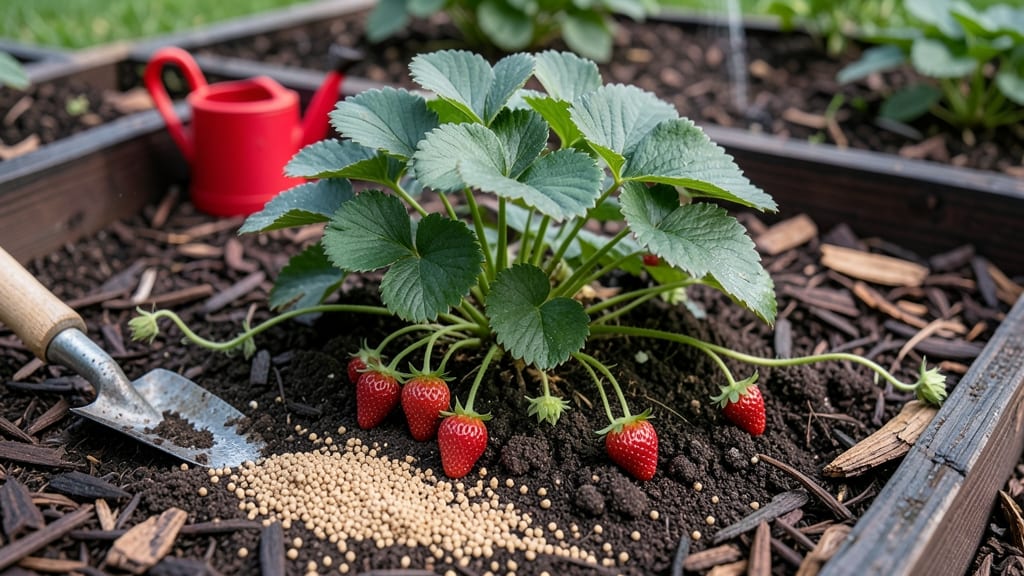
How to get strawberries to grow bigger—your berries could be twice as big this season if you prune and feed them right. 🌱 I’ve grown strawberries for years, and the difference between tiny berries and juicy giants comes down to two things: removing the right growth and giving them the nutrients they crave. Most gardeners skip one or both, and that’s why their harvest stays disappointingly small.
The secret starts with spring pruning—cutting back old leaves and runners to redirect energy into fruit. Then, feed them with a balanced fertilizer (or compost) every 4-6 weeks. Too much nitrogen?
You’ll get leafy plants with tiny berries. Too little? They’ll stay small and bland. The sweet spot is moderate feeding paired with consistent watering—never soggy soil, never bone-dry.
By midsummer, you’ll see the payoff: berries plumping up to 1.5–2 inches instead of pea-sized nubs. The flavor gets richer too, with less watery texture and more of that classic strawberry tang.
And here’s the best part—this works for June-bearing, everbearing, and day-neutral varieties, so no matter what type you grow, you’re set for a bigger, tastier harvest.
Fair warning: If you’ve ever struggled with strawberries splitting open or birds stealing them before they ripen, we’ll cover those fixes too. But first, let’s get your plants primed for maximum size and sweetness—no fancy tools or expensive tricks required. Just smart care.
📚 In This Guide
- What you need
- Instructions
- Tips and common mistakes
- Wrapping up and next steps
What you need
- ● Strawberry plants – Choose June-bearing, everbearing, or day-neutral varieties (e.g., 'Chandler,' 'Albion,' or 'Seascape'). Aim for 3–5 healthy plants per 10 sq ft.
- ● Well-draining soil – Test your soil’s pH (ideal: 5.5–6.8). Amend with compost or aged manure (1–2 inches mixed into the top 6–8 inches of soil).
- ● Balanced fertilizer – A 10-10-10 or 5-10-10 NPK ratio (organic options like fish emulsion or bone meal work too!). Start with ½ cup per plant at planting.
- ● Slow-release fertilizer – Granular or pellet form (e.g., Osmocote or Alfalfa meal) for ongoing nutrients.
- ● Mulch – Straw (not hay!) or pine needles (2–3 inches thick) to retain moisture and suppress weeds.
- ● Pruning shears – Sharp, clean scissors (sterilize with rubbing alcohol between cuts).
- ● Watering can or drip irrigation – Aim for 1–1.5 inches of water per week (deep watering 2–3 times weekly).
- ● Garden gloves – Protect your hands from thorns and soil.
- ● pH testing kit – Adjust soil with lime (to raise pH) or sulfur (to lower pH) if needed.
- ● Epsom salt – 1 tbsp per gallon of water (spray foliage monthly for magnesium boost).
- ○ Compost tea – Optional liquid fertilizer for microbial health.
- ● Row covers or netting – Protects berries from birds and pests.
- ○ Trellis or stakes – Helps June-bearing varieties stay upright (optional for everbearing/day-neutral).
Step-by-step instructions for maximizing strawberry growth
Here's how I coax strawberries into producing those plump, sweet berries you crave.
🌱 Step 1: Prune Old Growth to Redirect Energy
Start in early spring when new growth begins. Remove all last year's leaves and runners—yes, even the healthy-looking ones. This might seem harsh, but it forces the plant to focus energy on new, productive growth instead of maintaining old foliage. Use clean, sharp pruners to cut stems back to about 1/2 inch above the crown.
I know it looks like you're sacrificing potential, but trust me—this prevents disease buildup in old leaves and creates space for stronger new canes. After pruning, you'll see fresh green shoots emerge within 2-3 weeks that will produce your biggest berries.
✂️ Step 2: Thin Crowded Plants for Better Airflow
Strawberries produce multiple crowns (the base where leaves grow). If you have more than 3-4 strong crowns per plant, thin them down to the healthiest ones. Gently pull out excess crowns at the base—don't cut them, as this can damage the remaining plant. Space remaining crowns about 6 inches apart.
This prevents competition for nutrients and sunlight, which directly translates to larger berries. You'll notice the remaining crowns develop thicker stems and bigger leaves within 3-4 weeks—that's your sign the plant is redirecting energy to fewer, stronger growth points.
💧 Step 3: Feed with Balanced Fertilizer at Key Times
Apply a balanced 10-10-10 fertilizer (or organic equivalent) in early spring when new growth appears. Use about 1 tablespoon per plant, working it into the top 2 inches of soil. This gives your plants the phosphorus they need for strong root development and fruit formation.
Here's the thing—don't overdo it. Too much nitrogen makes plants leafy but fruitless. In mid-summer, switch to a low-nitrogen, high-phosphorus fertilizer (like 5-10-10) to encourage flowering and berry development. You'll see new blossoms forming within 2 weeks of application.
☀️ Step 4: Ensure Optimal Sun and Water
Strawberries need 6-8 hours of direct sun daily for maximum growth. If your plants are in partial shade, move them to a sunnier spot or supplement with a grow light for 4-6 hours per day. You'll know they're getting enough light when leaves are deep green and new growth is upright.
Water deeply 1-2 times per week, providing about 1 inch of water per week. Keep soil consistently moist but not soggy—strawberries hate wet feet. The best time to water is in the morning so leaves dry quickly, preventing fungal diseases. Consistent moisture leads to juicier berries that won't crack.
🌿 Step 5: Remove Runners Strategically
Runners are those long stems that produce new plants. While they help spread your strawberries, they drain energy from fruit production. Remove 90% of runners throughout the growing season, leaving only 1-2 per plant if you want more berries. Pinch them off at the base with your fingers or clean pruners.
This might seem counterintuitive if you're trying to expand your patch, but saving runners for later in the season lets your established plants focus on producing larger, sweeter berries. You'll see your remaining berries grow noticeably bigger within 3-4 weeks of consistent runner removal.
Tips & tricks for maximizing strawberry size
Here's what nobody tells you about transforming your strawberry patch into a berry bonanza.
Pruning Precision: When trimming old runners back to 2-3 inches from the crown, use a sharp, clean pair of pruners to make crisp cuts. Ragged cuts can invite disease, and dull blades crush stems, slowing recovery. I've found that cutting just above a leaf node (where leaves grow) encourages stronger regrowth. This small detail makes all the difference in how quickly your plants bounce back with vigorous new growth.
Fertilizer Timing: The switch from balanced fertilizer to high-phosphorus feed happens at a critical moment—when the first flowers appear. This isn't just about nutrients; it's about redirecting the plant's energy. Too much nitrogen at this stage will send your plants into leaf production mode, leaving your berries undersized. I've seen plants with beautiful foliage but tiny, bland fruit because of this mistake. Mark your calendar when those first blossoms open—it's your cue to make that fertilizer swap.
Thinning Technique: The key to successful thinning is patience. Don't rush—wait until you can clearly see which berries are the strongest candidates. I've learned to look for berries that are already showing good size and shape, not just the largest ones. Sometimes the slightly smaller berries on stronger stems will outgrow their larger but weaker siblings. Thin in the morning so any wounds have time to dry before evening dew settles in. This reduces the risk of fungal infections that can ruin your harvest.
Sunlight Strategy: If your strawberries aren't getting full sun, consider adding a reflective surface like a white board or even aluminum foil to the north side of your plants. This can effectively double the sunlight exposure by bouncing light onto the plants. I've seen a dramatic difference in berry size when using this trick, especially in early spring when days are shorter. Just make sure to remove it in late summer when the sun is more intense to avoid overheating.
Pro Tips for Get Strawberries To Grow Bigger
- Here's what nobody tells you about transforming your strawberry patch into a berry bonanza.
- Pruning Precision: When trimming old runners back to 2-3 inches from the crown, use a sharp, clean pair of pruners to make crisp cuts.
- Fertilizer Timing: The switch from balanced fertilizer to high-phosphorus feed happens at a critical moment—when the first flowers appear.
Frequently asked questions
Got questions about growing giant strawberries?
You’re not alone! Here are answers to the most common concerns—because every gardener deserves a bountiful harvest.
How long does it take for strawberries to grow bigger after pruning and fertilizing?
With proper care, you’ll see noticeable improvements in 2–4 weeks. Pruning removes competition for nutrients, while fertilizing (especially with potassium and phosphorus) boosts fruit development. Consistency is key—keep up with watering and mulching for the best results!
Can I prune strawberries in the middle of the season, or should I wait until spring?
Yes, you can prune mid-season, but timing matters! For June-bearing varieties, prune right after harvest. For everbearing or day-neutral types, trim back after each fruiting cycle. Avoid heavy pruning during flowering to protect yield.
What’s the cheapest way to fertilize strawberries for bigger fruit?
Skip expensive blends—try organic alternatives! Mix compost (free from kitchen scraps), banana peels (for potassium), or eggshells (crushed for calcium). A balanced 10-10-10 fertilizer (diluted) works too. Mulch with grass clippings or straw to retain moisture and nutrients.
My strawberries are small even after pruning—what’s going wrong?
Small berries often mean nutrient deficiencies, pests, or poor pollination. Check for aphids or spider mites (spray with neem oil if needed). Hand-pollinate flowers with a brush if bees are scarce. Also, ensure they get 6+ hours of sun and 1–1.5 inches of water weekly.
Can I grow bigger strawberries in containers or raised beds?
Containers and raised beds actually help with size control. Use a well-draining mix (50% potting soil, 30% compost, 20% perlite). Space plants 12–18 inches apart and fertilize every 3–4 weeks. Dwarf varieties (like ‘Alpine’ or ‘Seascape’) thrive in pots too!
Wrapping up and next steps
Growing bigger, juicier strawberries is all about patience, proper care, and a little extra love! 🌱 With the right pruning techniques, balanced fertilization, and smart watering, you’ll soon be harvesting those giant, sweet berries you’ve always dreamed of.
Remember, every plant has its own rhythm—adjust your approach as you learn what works best for your garden.
Now that you’re armed with these tips, it’s time to roll up your sleeves and get growing! Start by applying what you’ve learned this season, and don’t forget to track your progress—you’ll be amazed at how far a little effort goes. Happy gardening! 🍓✨