
Size
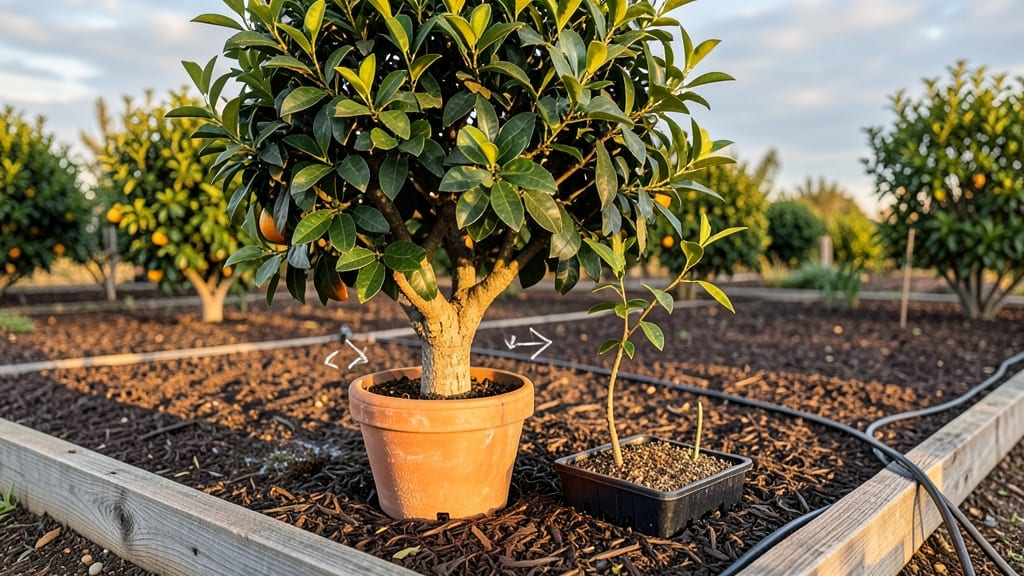
How to grow a tangerine tree from seed means summer sunshine on your windowsill by next year. 🌱 I’ve watched citrus seeds sprout into lush, fragrant trees—now I’m sharing the exact steps that skip the guesswork. The key? Mimicking their Mediterranean homeland with bright light, well-draining soil, and patience (they’re slow starters). You’ll need a sunny spot (indoors or out), a pot with drainage, and a mix of potting soil and perlite to prevent soggy roots. Most failures happen here—overwatering or poor light kills saplings before they fruit. My first tree took 18 months to bear its first tiny tangerine, but the wait is worth it for that first sweet, tart bite. By year three, you’ll have a 5-foot tree dripping with fruit—if you’ve given it enough light (at least 6 hours daily) and occasional fertilizer. The real magic happens when you move it outdoors in summer, where it grows faster and develops stronger branches. Works for apartments, patios, or greenhouses—just adjust for your climate. Let’s get those seeds sprouting!
📚 In This Guide
- What you need
- Instructions
- Tips and common mistakes
- Wrapping up and next steps
What you need
- ● Tangerine Tree Seedling or Bare-Root Sapling: Choose a Citrus reticulata variety (e.g., 'Dancy,' 'Minnie,' or 'Sunburst').
- ● Purchase from a nursery or reputable online citrus seller (ensure it’s disease-free).
- ● Well-Draining Potting Mix: 50% cactus/succulent mix + 50% perlite or coarse sand (for containers).
- ● For in-ground planting: Amend soil with compost and garden sand (if clay-heavy).
- ○ Pot (Optional but Recommended for Early Growth): 15–20 gallon fabric grow bag or clay/terracotta pot with drainage holes.
- ● Fertilizer: Balanced citrus fertilizer (e.g., 6-6-6 or 8-3-9 NPK ratio).
- ● Slow-release granular fertilizer or liquid citrus feed.
- ● Mulch: 2–3 inches of wood chips or straw mulch (to retain moisture).
- ● Gloves (gardening or work gloves).
- ● Trowel or Spade (for planting).
- ● Pruning Shears (sterilized, for shaping and maintenance).
- ● Watering Can or Hose (with adjustable nozzle).
- ○ pH Test Kit (optional but helpful—ideal soil pH: 6.0–7.0).
- ● Spray Bottle (for misting seedlings).
- ● Support Stakes or Cage (if growing in containers or windy areas).
- ● Sunlight: Full sun (6–8+ hours daily)—tangerine trees are sun-worshippers!
- ● Climate: USDA Zones 9–11 (outdoors year-round).
- ● Zones 8 or below? Grow in containers and bring indoors in winter.
- ● Water Access: Regular watering (keep soil consistently moist but not soggy).
- ● Pollination: Hand-pollinate with a paintbrush if growing indoors (no bees!).
Step-by-step instructions for growing a tangerine tree
Here's the foolproof method I've used to grow thriving tangerine trees—whether you're starting from seed or transplanting a young sapling.
🌱 Step 1: Choose the Right Variety and Planting Location
Tangerine trees thrive in USDA Zones 9-11, but even in colder climates, you can grow them in containers and overwinter indoors. Select a dwarf variety like 'Meyer' or 'Sunburst' for smaller spaces—they produce fruit just as abundantly. If planting outdoors, choose a spot with at least 8 hours of direct sunlight daily, as citrus trees are sun-worshippers.
Here's the thing—citrus trees hate soggy roots. Amend your soil with 3-4 inches of compost and ensure the planting area has excellent drainage. If your soil is heavy clay, consider planting in a large container instead. The key is mimicking their natural Mediterranean habitat: well-draining, slightly acidic soil with plenty of air circulation around the roots.
🪴 Step 2: Plant Your Tangerine Tree Properly
For container planting, use a pot at least 18 inches wide and deep with drainage holes. Fill the bottom third with a mix of perlite and coarse sand to improve drainage, then add your citrus-specific potting mix. Dig a hole twice as wide as the root ball but only as deep as the top of the root flare—planting too deep suffocates the roots.
Gently remove the tree from its nursery pot and loosen any circling roots with your fingers. Place it in the hole so the root flare sits just above soil level, then backfill with potting mix, pressing lightly to eliminate air pockets. Water deeply until moisture runs out the drainage holes. This ensures the roots make immediate contact with damp soil, reducing transplant shock.
☀️ Step 3: Provide Optimal Care for Growth and Fruit Production
Water your tangerine tree deeply once a week during the growing season, allowing the top 2-3 inches of soil to dry out between waterings. Overwatering is the #1 killer of citrus trees—yellow leaves often signal root rot. In containers, you'll need to water more frequently, especially in hot weather. Check by sticking your finger in the soil: if it's dry past your first knuckle, it's time to water.
Feed your tree every 4-6 weeks during spring and summer with a balanced citrus fertilizer (look for one with equal parts nitrogen, phosphorus, and potassium). I like to use a slow-release granular fertilizer for convenience. Avoid high-nitrogen fertilizers—they promote leafy growth at the expense of fruit production. Once fruit forms, switch to a low-nitrogen, high-potassium fertilizer to support sweetening and ripening.
✂️ Step 4: Prune and Protect for Maximum Fruit
Prune your tangerine tree in late winter or early spring before new growth begins. Remove any dead, diseased, or crossing branches first, then thin out the canopy to improve air circulation. This prevents fungal diseases and helps sunlight reach all parts of the tree. Aim to maintain an open, vase-like shape—citrus trees fruit best when they're not too dense.
Watch for pests like aphids or scale insects, which love citrus trees. I treat infestations with a neem oil spray applied in the early morning when bees aren't active. For outdoor trees in cold climates, wrap the trunk with burlap or frost cloth in winter to protect it from freezing temperatures. Even a light frost can damage young trees, so bring container-grown trees indoors when temperatures drop below 30°F.
🍊 Step 5: Harvest and Encourage Year-Round Production
Tangerines typically ripen in late fall to winter, but with proper care, your tree can produce fruit year-round in warm climates. Harvest when the fruit is deep orange, slightly soft to the touch, and releases easily from the tree. Twist gently—if the stem pulls away cleanly, it's ready. Avoid pulling too hard, as this can damage the branch.
Here's the secret to continuous fruiting: After harvest, feed your tree with a high-phosphorus fertilizer to encourage flower buds for next season's crop. Thin out excess fruit when they're still small—this ensures the remaining fruit grows larger and sweeter. I usually leave 6-8 fruit per branch for optimal size. With consistent care, your tangerine tree can produce fruit for decades, rewarding you with homegrown citrus every season.
Tips & tricks for perfect tangerine tree growth
Real talk: Growing a tangerine tree that actually bears fruit takes more than just sticking it in the ground. Here's what nobody tells you about turning that sapling into a fruit-producing powerhouse.
Sunlight Secret: Those 8 hours of direct sunlight aren't just a suggestion—they're non-negotiable. If your outdoor space only gets 6 hours, grow your tree in a container and move it to a sunny spot during peak sunlight hours. South-facing windows are your best friend for indoor trees, but even then, supplement with a grow light for 4-6 hours daily during winter months when sunlight is scarce. I learned this the hard way after watching my first tree's leaves turn yellow and drop.
Soil Science: The 3-4 inches of compost mentioned in Step 1 isn't optional—it's your insurance policy against root rot. Mix in one part compost to three parts citrus-specific potting mix for container trees. For in-ground planting, till the compost into the top 12 inches of soil rather than just the surface layer. This creates a deep, well-aerated root zone that mimics Mediterranean soil conditions. Pro tip: Add a handful of sulfur granules to maintain that slightly acidic pH citrus loves—aim for 6.0-7.0.
Watering Wisdom: That 2-3 inches of dry soil between waterings is your moisture guideline, but the real test is the "knuckle check." Stick your finger in the soil—if it's dry past your first knuckle, water deeply until it runs out the drainage holes. The key is consistency: Better to water thoroughly once a week than give light drinks daily. I use a moisture meter now, but I started with the knuckle test and it works perfectly. Watch for yellow leaves on container trees—they're usually begging for less water, not more.
Frost Protection: The 30°F threshold isn't just a number—it's your warning line. For container trees, move them indoors to a cool, bright spot (like a garage with windows) when temps drop below 40°F to give yourself a buffer. Wrap the trunk with burlap or frost cloth and cover the pot with bubble wrap for extra insulation. I've saved trees from certain death using this method during unexpected cold snaps. And remember: Even a light frost can damage young leaves, so don't wait until the last minute.
Pro Tips for Grow A Tangerine Tree
- Real talk: Growing a tangerine tree that actually bears fruit takes more than just sticking it in the ground.
- Sunlight Secret: Those 8 hours of direct sunlight aren't just a suggestion—they're non-negotiable.
- Soil Science: The 3-4 inches of compost mentioned in Step 1 isn't optional—it's your insurance policy against root rot.
Frequently asked questions
about growing your own tangerine tree—because every gardener deserves a little sunshine (and citrus!) in their life.How long does it take for a tangerine tree to bear fruit?
A young tangerine tree typically takes 3 to 5 years to produce fruit, depending on the variety and growing conditions. Dwarf varieties may fruit sooner (2–3 years), while standard trees can take longer. Patience is key—think of it as a slow-cooked reward!
Can I grow a tangerine tree indoors?
Yes, but with limitations. Tangerine trees thrive outdoors in warm climates (USDA Zones 9–11), but you can grow them indoors in pots with bright, southern sunlight and supplemental grow lights. Expect smaller fruit and slower growth. If you live in a cold climate, overwinter your tree indoors near a sunny window.
Why are the leaves on my tangerine tree turning yellow?
Yellow leaves often signal overwatering, underwatering, or nutrient deficiencies. Check the soil moisture—it should be damp but not soggy. Yellowing edges may indicate iron deficiency (common in alkaline soil). Adjust watering, improve drainage, or fertilize with a citrus-specific blend.
Do tangerine trees need cross-pollination to produce fruit?
Most tangerine trees are self-pollinating, meaning you don’t need another tree for fruit. However, planting a second variety nearby can increase yield and improve fruit quality. If your tree isn’t fruiting, check for pests, poor pollination (like lack of bees), or immature age.
How do I protect my tangerine tree from frost?
Tangerine trees are tender to frost—temperatures below 28°F (-2°C) can damage or kill the tree. Use frost cloth, row covers, or a space blanket to insulate it. Move potted trees indoors or to a sheltered spot. In extreme cold, wrap the trunk with burlap and mulch the base.
Wrapping up and next steps
Growing a tangerine tree is a rewarding journey that blends patience, care, and a little citrus magic! 🌱 With the right sunlight, soil, and watering routine, you’ll soon enjoy sweet, homegrown fruit year after year.
Whether you’re a beginner or a seasoned gardener, every step—from planting to pruning—brings you closer to that first juicy harvest.
Now that you’re armed with the secrets to success, why not take the next step? Start with a healthy sapling, nurture it with love, and soon, your kitchen will smell like sunshine. Happy growing—and may your tangerine tree flourish! 🍊✨