
Propagation
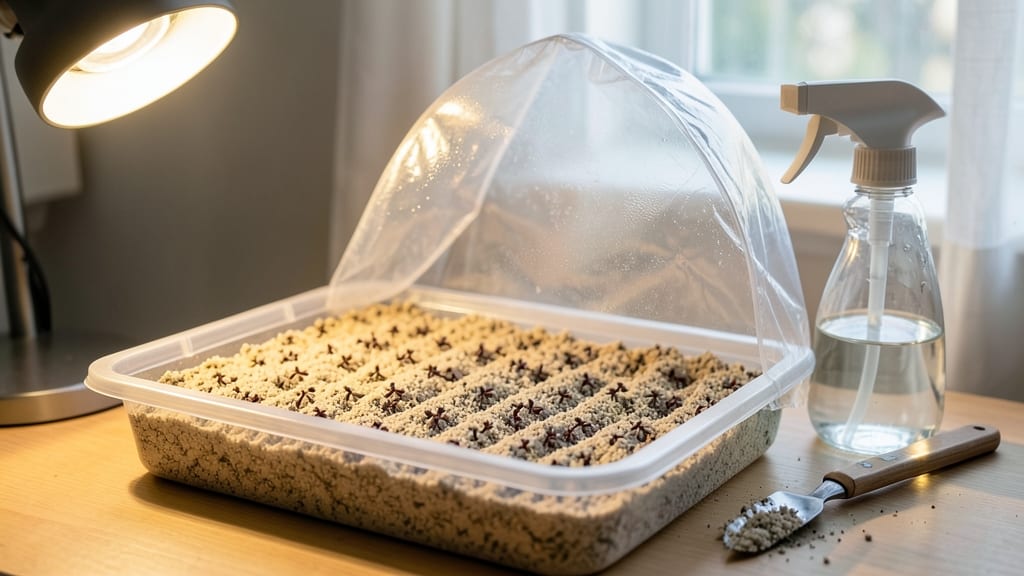
How to grow forget-me-nots from seed indoors unlocks a world of delicate blue blooms by spring. 🌱 I’ve started these tiny seeds in February for years, and the secret lies in patience—these little plants need just the right balance of moisture, warmth, and light to break dormancy. The first true leaves appear in about 3-4 weeks, but the real magic happens when they’re ready to transplant outdoors in late spring.
You’ll need a shallow tray, seed-starting mix, and a sunny windowsill or grow light—no fancy equipment required. Forget-me-nots are finicky about moisture; overwatering is their biggest enemy, so keep the soil barely damp.
A clear plastic dome or plastic wrap helps create the humid conditions they crave until germination. Once sprouted, thin seedlings to 2 inches apart to avoid competition.
By early summer, you’ll have sturdy young plants with clusters of tiny blue buds forming. The fragrance alone makes it worth the wait—like a whisper of a spring meadow in your hands.
These hardy annuals thrive in partial shade, making them perfect for woodland gardens or containers where they’ll spread effortlessly.
Fair warning: Forget-me-nots self-seed aggressively, so plan to either relocate volunteers or enjoy a carpet of blue blooms next year. The key to success? Start early, stay consistent with moisture, and resist the urge to rush their transition outdoors—these little survivors reward patience with weeks of cheerful color.
📚 In This Guide
- What you need
- Instructions
- Tips and common mistakes
- Wrapping up and next steps
What you need
- ● Forget-me-not seeds: A packet of fresh, high-quality seeds (look for Myosotis sylvatica or Myosotis alpestris). Aim for at least 20-30 seeds to ensure good germination.
- ● Seed-starting trays or small pots: Use 2-3 inch pots or a seed tray with individual cells. Ensure they have drainage holes to prevent root rot.
- ● Seed-starting mix: A lightweight, sterile mix designed for seedlings (avoid garden soil—it’s too dense!). A 50/50 blend of peat moss and perlite works well.
- ● Clear plastic domes or plastic wrap: To create a humidity tent and retain moisture while seeds germinate.
- ● Spray bottle with water: A fine-mist setting is ideal for gently watering seeds without disturbing them.
- ● Grow lights or a sunny windowsill: Forget-me-nots need 12-16 hours of light daily. A full-spectrum LED grow light is perfect if natural light is limited.
- ○ Fertilizer (optional but helpful): A balanced, water-soluble fertilizer (e.g., 10-10-10) diluted to half-strength for young seedlings.
- ● Tweezers or a pencil: For gently pressing seeds into the soil (seeds are tiny—handle with care!).
- ● Small hand shovel or spoon: To transplant seedlings without damaging roots.
- ○ Humidity tray or pebble tray: Optional but helpful for maintaining moisture levels in dry climates.
- ○ Heat mat (optional): If your home is chilly (60°F or below), a seedling heat mat can speed up germination.
- ● Labels and markers: To track seed varieties and planting dates (forget-me-nots look similar to other tiny seedlings!).
Step-by-step instructions for growing forget-me-nots from seed indoors
Here's how I transform delicate forget-me-not seeds into lush, blooming plants—no greenhouse required.
🌱 Step 1: Prepare the Seed Starting Mix and Containers
Fill your 4-inch seed trays with a sterile seed-starting mix (never garden soil—it's too dense for these tiny seeds). Forget-me-nots need a light, airy medium to germinate properly. Moisten the mix with room-temperature water until it feels like a wrung-out sponge—damp but not dripping. I like to press it down gently so the surface is firm but not compacted. This prevents seeds from floating or sinking too deep.
Forget-me-not seeds are so small they look like dust. I use a fine-mesh sieve to distribute them evenly across the surface. Sprinkle them lightly—don't press them in. The goal is to have them barely covered by the mix. A light misting with water ensures they stay in place without being buried. Cover the tray with clear plastic wrap or a humidity dome to trap warmth and moisture.
💧 Step 2: Create Ideal Germination Conditions
Forget-me-not seeds germinate best at 65-70°F. Place the tray on a seedling heat mat or in a warm spot like the top of your fridge (not inside—just above). Without heat, germination can take 3-4 weeks instead of the usual 10-14 days. Check daily for moisture—condensation should form on the plastic. If it disappears, mist the surface lightly again.
Here's the thing—don't remove the plastic until you see 50% of seeds sprouted. The humidity prevents the mix from drying out, which is critical for these delicate seedlings. Once you spot the first tiny green shoots, uncover them immediately. Too much trapped moisture afterward causes damping-off, a fungal disease that turns stems to mush overnight.
☀️ Step 3: Provide Gentle Light and Prevent Legginess
Move the tray to a bright, indirect light spot as soon as sprouts appear. Forget-me-nots need 12-14 hours of light daily, but direct sun at this stage burns their tender leaves. A south-facing window with sheer curtains works well. If your light is weak, supplement with a grow light kept 4-6 inches above the seedlings.
Watch for leggy growth—those long, pale stems with leaves spaced far apart. This happens when seedlings stretch toward light. If you see this, lower the grow light or move the tray closer to the window. Strong seedlings have short, thick stems and dark green leaves. Pinch off the tallest stems to encourage bushier growth—this redirects energy to the sides.
🌿 Step 4: Thin Seedlings and Harden Off
When seedlings have 2-3 sets of true leaves (the second pair after the initial cotyledons), it's time to thin. Use scissors to snip the weakest stems at soil level—pulling risks disturbing the roots of remaining plants. Space the strongest seedlings 2-3 inches apart in the tray. This prevents overcrowding, which leads to weak stems and poor air circulation.
Two weeks before your last frost, start hardening off the seedlings. Place them outside in a sheltered spot for 1-2 hours the first day, gradually increasing time over 10-14 days. Forget-me-nots are hardy but appreciate this slow transition. On the final day, leave them out overnight if temperatures stay above 40°F. You'll know they're ready when they bounce back from a full day outside without wilting.
🪴 Step 5: Transplant and Maintain for Continuous Blooms
Transplant seedlings to their final location in well-draining soil enriched with compost. Forget-me-nots thrive in partial shade, so choose a spot with 3-5 hours of morning sun and afternoon shade. Space them 6-8 inches apart—they'll spread gently over time. Water deeply at the base after planting to settle the roots, then keep the soil consistently moist but never soggy.
Deadhead spent blooms regularly to encourage more flowers. Forget-me-nots bloom prolifically from early summer until frost if given consistent moisture and partial shade. Divide mature plants every 2-3 years to prevent overcrowding. The key to their longevity is keeping the soil rich and the stems supported—they're delicate but reward patience with those iconic blue blooms.
Tips & tricks for growing forget-me-nots indoors
These subtle details make all the difference with delicate forget-me-nots—trust me, I've learned them the hard way with my own windowsill experiments.
Seed Distribution Secret: Forget-me-not seeds are so tiny that even a gentle breeze can scatter them. I've found that using a fine-mesh sieve (like those for flour) gives you the most even coverage. Tap the sieve gently over the tray at a 45-degree angle—this ensures seeds land on the surface rather than getting buried. For extra precision, I lightly mist the tray after distributing seeds to help them settle without pressing them into the mix.
Germination Temperature Matters: The 65-70°F range is critical—any cooler and germination slows dramatically to 3-4 weeks instead of the ideal 10-14 days. If you don't have a heat mat, try placing the tray on top of your refrigerator (not inside) where it stays consistently warm. Pro tip: I place a small thermometer near the tray to monitor temperature—fluctuations can delay germination. Once you see those first green shoots, remove the plastic immediately to prevent damping-off, a fungal disease that attacks seedlings when humidity stays too high.
Lighting Strategy: Forget-me-nots need 12-14 hours of bright, indirect light daily, but direct sun burns their tender leaves. I've had success with a simple LED grow light kept 4-6 inches above the seedlings on a timer. Watch for leggy growth (long, pale stems)—this means they're stretching toward light. If you notice this, either move the light closer or increase natural light exposure. Strong seedlings should have short, thick stems and dark green leaves. Pinching off the tallest stems encourages bushier growth by redirecting energy to the sides.
Harden Off Gradually: The 1-2 hour outdoor acclimation on the first day might seem short, but forget-me-nots are sensitive to sudden temperature changes. I start with a sheltered spot like under a tree or on a covered porch. Over those 10-14 days, I increase exposure by 30-60 minutes each day. On the final day, if temperatures stay above 40°F, leave them out overnight. You'll know they're ready when they bounce back from a full day outside without wilting—this resilience means they're prepared for transplanting.
Pro Tips for Grow Forget Me Nots From Seed Indoors
- These subtle details make all the difference with delicate forget-me-nots—trust me, I've learned them the hard way with my own windowsill experiments.
- Seed Distribution Secret: Forget-me-not seeds are so tiny that even a gentle breeze can scatter them.
- Germination Temperature Matters: The 65-70°F range is critical—any cooler and germination slows dramatically to 3-4 weeks instead of the ideal 10-14 days.
Frequently asked questions
Got questions about growing forget-me-nots from seed indoors? Here are some common ones—and their answers—to help you succeed!
How long does it take for forget-me-not seeds to germinate?
Forget-me-not seeds typically germinate in 14–21 days under ideal conditions (consistent moisture, warmth, and indirect light). Patience is key—some seeds may take up to 30 days. Avoid overwatering, which can cause rot. A heating mat can speed up germination if your home stays cool.
Can I grow forget-me-nots indoors year-round?
Yes! Forget-me-nots thrive indoors with proper care, but they need bright, indirect light (a south- or west-facing window or grow lights). If your space is dim, supplement with 12–14 hours of light daily. They’re cool-season plants, so avoid overheating (ideal temps: 60–70°F). A sunny windowsill keeps them happy year-round.
Why aren’t my forget-me-not seedlings growing?
Slow growth often stems from low light, overcrowding, or weak seedlings. Thin seedlings to 2–3 inches apart to reduce competition. Check for yellowing leaves (overwatering) or stunted stems (underwatering). If leaves look pale, boost light or fertilize lightly with a balanced, diluted solution (half-strength).
Do forget-me-nots need deadheading for indoor growth?
Deadheading (removing faded blooms) isn’t critical indoors but encourages longer flowering. Snip spent flowers just above a set of leaves to redirect energy into new blooms. If you’re growing them for foliage (like in a hanging basket), skip deadheading—it’s all about aesthetics! Just keep an eye on pests like aphids that love tender new growth.
Are there faster-growing alternatives to forget-me-nots?
If you want quicker blooms, try snapdragons, pansies, or sweet alyssum—they germinate in 7–14 days and thrive indoors. Forget-me-nots are slow but rewarding! For a pop of color faster, opt for bachelor’s buttons (another cool-season favorite) or calendula, which germinates reliably and blooms in 8–10 weeks.
Wrapping up and next steps
Growing forget-me-nots from seed indoors is a rewarding journey that brings delicate blooms into your life—one tiny sprout at a time! 🌱 With the right patience, light, and care, you’ll soon enjoy their charming blue (or pink!) flowers, perfect for brightening up pots or gardens.
Once your seedlings are thriving, don’t stop there—transplant them outdoors in spring or share the joy by gifting cuttings to fellow plant lovers!
🌟 Next Step: Watch Them Grow!
Keep an eye on those little green heroes—soon, you’ll be pinching back stems and admiring clusters of blooms. Ready to dive deeper? Explore our guide on outdoor care or troubleshooting common issues to keep your forget-me-nots happy year-round!