
Size
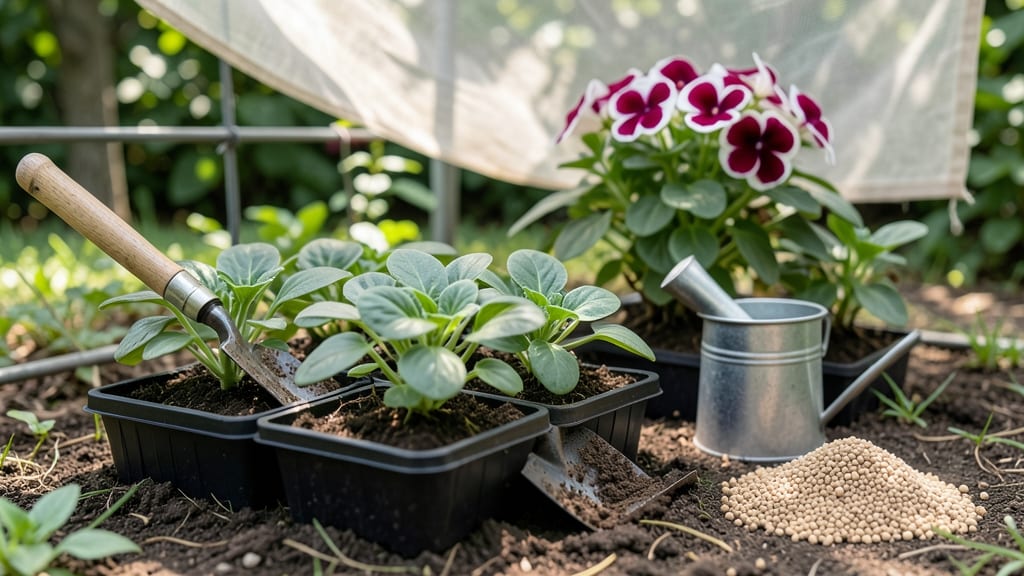
How to grow New Guinea impatiens turns shady spots into rainbow explosions. 🌈 I’ve grown them for years, and they’re the secret weapon for adding bold color where sunflowers and marigolds refuse to thrive. The key? Mimicking their natural tropical habitat—rich soil, consistent moisture, and bright indirect light.
You’ll need well-draining potting mix (they hate soggy roots), a spot with 4-6 hours of morning sun, and regular watering—never let them dry out completely. Feed them every 2 weeks with a balanced liquid fertilizer, and watch those glossy leaves and vibrant blooms multiply.
These plants are hungry but worth every drop of water.
Pruning spent blooms keeps them flowering nonstop, and pinching leggy growth encourages bushier plants. Within 6-8 weeks, you’ll have a lush, football-sized plant bursting with color—perfect for containers, hanging baskets, or garden beds. The best part? They’re beginner-proof once you get the basics right.
Common issues like yellow leaves or powdery mildew are easy to fix with better airflow and less water. These impatiens thrive in zones 10-11 but can be overwintered indoors in cooler climates. Let’s get those roots growing!
📚 In This Guide
- What you need
- Instructions
- Tips and common mistakes
- Wrapping up and next steps
What you need
- ● New Guinea Impatiens plants: 3–5 healthy nursery starts (choose varieties like ‘Super Elfin’ or ‘Mini Jazz’ for compact growth).
- ● Well-draining potting mix: 10–20 lbs of high-quality, peat-based or coconut coir mix (ensure it’s moisture-retentive but aerated).
- ● Containers or garden bed: Containers: 5–7-inch pots (1 per plant) with drainage holes, or a hanging basket (12+ inches deep) for 3–5 plants.
- ● Garden bed: A semi-shaded spot with loose, fertile soil (amend with compost if needed).
- ● Slow-release fertilizer: 1–2 tbsp per plant of balanced 10-10-10 or 20-20-20 (apply at planting).
- ● Watering can or hose with gentle spray: For consistent moisture (avoid soggy roots!).
- ○ Mulch (optional but helpful): 1–2 inches of pine bark fines or shredded leaves to retain moisture.
- ○ Gloves: To protect hands from prickly stems (optional but handy!).
- ● Pruning shears: For trimming leggy stems or deadheading (sterilize with rubbing alcohol).
- ● Spray bottle: For misting leaves if humidity is low (New Guinea Impatiens love humidity!).
- ● Shade cloth (30–50% coverage): If your garden gets hot afternoon sun (critical for preventing leaf scorch!).
- ○ Liquid fertilizer (optional): Diluted fish emulsion or 20-20-20 for mid-season feeding (every 4–6 weeks).
Step-by-step instructions for growing New Guinea impatiens
Here’s how to coax those bold, velvety blooms into thriving—no fuss, just vibrant results.
🌱 Step 1: Choose the Right Location and Prepare Soil
New Guinea impatiens crave bright, indirect light—think dappled shade or morning sun with afternoon shade in hotter climates. A spot with 4-6 hours of filtered light keeps foliage lush and prevents scorching. Avoid harsh midday sun, which turns leaves yellow and blooms crispy.
Amend your well-draining soil with 2-3 inches of compost to enrich it—these plants are heavy feeders. If your soil is heavy clay, mix in 1 part perlite or sand per 3 parts soil to improve aeration. The ideal soil stays moist but not soggy, so test it by squeezing a handful: it should crumble slightly when pressed, not stick together.
🪴 Step 2: Plant with Care and Spacing
Dig holes twice as wide as the root ball but only as deep—planting too deep suffocates roots. Gently tease apart any circling roots before placing the plant in the hole. Space 18-24 inches apart for full, bushy growth; closer spacing leads to crowded stems and fewer blooms.
Water deeply right after planting to settle the soil around roots. Press lightly around the base to eliminate air pockets, but don’t compact the soil. Mulch with 2-3 inches of shredded bark or pine needles to retain moisture and suppress weeds—this is non-negotiable in hotter months.
☀️ Step 3: Water and Feed for Continuous Blooms
Keep soil evenly moist—never let it dry out completely, but avoid soggy conditions. Water at the base in the morning to reduce fungal risks. You’ll know it’s time to water when the top inch of soil feels dry to the touch. Overhead watering can spot leaves and encourage powdery mildew, so use a soaker hose or drip irrigation for best results.
Feed every 2-3 weeks with a balanced liquid fertilizer (10-10-10 or 20-20-20) diluted to half-strength. These plants respond dramatically to feeding—you’ll see new blooms within a week of fertilizing. Stop feeding in late summer to encourage dormancy if growing as an annual.
✂️ Step 4: Prune and Deadhead for Long-Lasting Color
Pinch back leggy stems to encourage bushier growth, especially when plants are young. Use clean, sharp scissors to snip just above a leaf node—this redirects energy to lateral branches. Regular pruning prevents woody stems and keeps plants compact.
Deadhead spent blooms weekly by cutting the stem back to the next set of leaves. This trick forces the plant to produce more flowers instead of setting seed. Watch for buds forming at leaf axils—these are your next blooms, so protect them from harsh weather or pests.
🌿 Step 5: Overwinter or Reset for Next Season
If growing as a tender perennial in mild climates, trim back by one-third in early spring to remove damaged growth. New Guinea impatiens often self-seed in frost-free zones, so let a few plants go to seed if you want next year’s crop for free.
For colder regions, treat as an annual. Take basal cuttings in early fall before frost by snipping 4-inch stem tips just below a leaf node. Root in sphagnum moss or water until spring, then replant. This ensures you’ll have vibrant plants ready to bloom again the following season.
Tips & tricks for perfect New Guinea impatiens
These game-changing strategies will help you sidestep common pitfalls and transform your garden into a nonstop floral display.
Lighting Strategy: That 4-6 hour filtered light window is critical—think of it as their "golden hours." If you're in a hotter climate, use sheer curtains or lattice to filter midday sun. I've seen impatiens scorch in as little as 2 hours of direct afternoon sun, so position them where they get morning sun and afternoon shade. A simple test: if you can read a book comfortably in the spot, it's likely ideal.
Soil Science: The 2-3 inches of compost recommendation isn't just about nutrients—it's about creating the perfect moisture-retaining environment. For clay-heavy soils, I recommend mixing in one part perlite to three parts soil to prevent compaction. Pro tip: Add a handful of worm castings to the planting hole—they'll boost microbial activity around roots, helping your plants absorb nutrients more efficiently. This makes all the difference in heat waves.
Watering Wisdom: The "top inch dry" test is your best friend, but here's what nobody tells you: water in the morning so foliage has all day to dry before evening. This dramatically reduces fungal risks. I've seen powdery mildew appear within 48 hours when overhead watering was done in the evening—don't make that mistake. For container growing, use self-watering pots with saucers to maintain consistent moisture without soggy roots.
Fertilizer Timing: That 2-3 week feeding schedule works wonders, but here's the secret: split your fertilizer dose into two applications—half in the morning and half in the evening. This mimics natural nutrient cycles and prevents salt buildup from concentrated applications. I've noticed plants fed this way develop deeper root systems and more vibrant blooms. And remember, those new blooms appearing within a week? That's your reward for proper feeding!
Pro Tips for Grow New Guinea Impatiens
- These game-changing strategies will help you sidestep common pitfalls and transform your garden into a nonstop floral display.
- Lighting Strategy: That 4-6 hour filtered light window is critical—think of it as their "golden hours."
- Soil Science: The 2-3 inches of compost recommendation isn't just about nutrients—it's about creating the perfect moisture-retaining environment.
Frequently asked questions
Got questions about growing New Guinea Impatiens? You’re not alone! Here are answers to the most common queries to help you cultivate lush, blooming plants with confidence.
How long does it take for New Guinea Impatiens to bloom after planting?
With proper care, these vibrant beauties typically start blooming 8–12 weeks after planting seeds or transplanting seedlings. If you’re growing from cuttings, expect flowers in 6–8 weeks. Patience pays off—once established, they reward you with continuous blooms!
Can New Guinea Impatiens survive winter, or do I need to bring them indoors?
These tropical darlings are not frost-tolerant and will perish in cold weather. If you live in a chilly climate, treat them as annuals or overwinter them indoors near a bright window. Alternatively, take cuttings in fall to propagate for next year’s garden!
Why are my New Guinea Impatiens leaves turning yellow or dropping?
Yellowing leaves often signal overwatering or poor drainage. Ensure the soil stays moist but not soggy and use well-draining pots. Check for pests like aphids or spider mites too—spray with neem oil if needed. If leaves drop suddenly, it could also mean root stress from transplant shock.
Are there any low-maintenance alternatives to New Guinea Impatiens for shady spots?
If you want easy-care shade lovers, try fuchsias (drought-tolerant once established), heucheras (stunning foliage), or begonias (similar blooms, slightly more resilient). Caladiums are another great option for dramatic foliage with minimal fuss!
How often should I fertilize New Guinea Impatiens for the best blooms?
Feed your plants every 2–4 weeks during the growing season (spring to fall) with a balanced liquid fertilizer (10-10-10) or a bloom-specific formula. Cut back to monthly in winter if growing indoors. Pro tip: Avoid over-fertilizing—it can lead to lush leaves but fewer flowers!
Wrapping up and next steps
Growing New Guinea Impatiens is a rewarding way to add bold, year-round color to your garden with minimal effort!
Ready to dive in? Start by gathering your supplies—then pick a sunny spot and get planting! Your future garden will thank you.