
Propagation
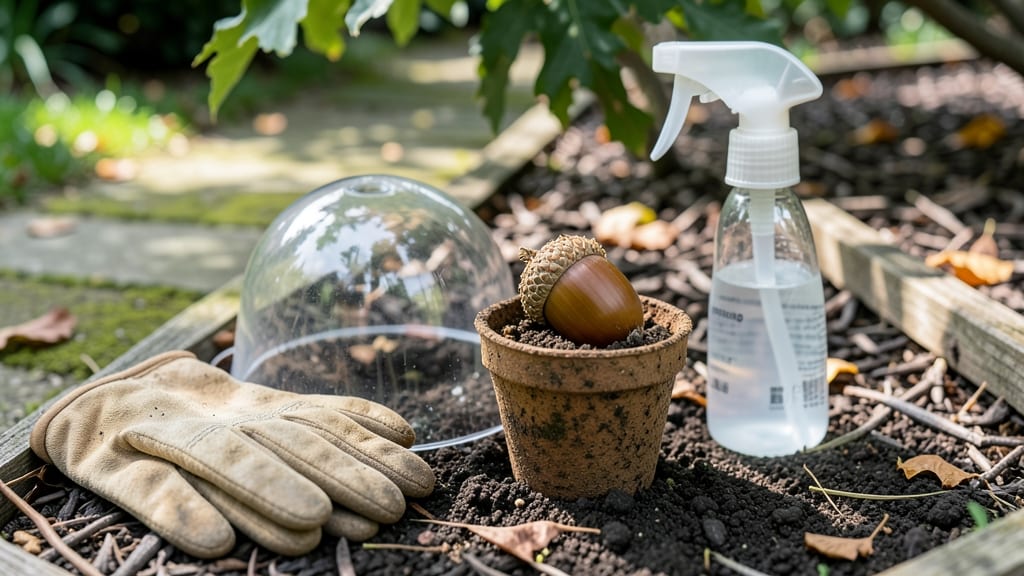
How to grow oak from seed feels like planting a future forest. 🌳 The process demands years—not months—but the reward is a towering, centuries-long legacy in your yard. I’ve watched acorns sprout into sturdy saplings over a decade, and the patience pays off in shade, wildlife habitat, and timeless beauty.
The first challenge is sourcing viable acorns—collect them fresh in fall from mature, healthy oaks. Not all acorns germinate, so gather more than you think you’ll need.
Then comes stratification: mimicking winter’s cold to break dormancy. A simple mix of moist sand and a refrigerator works wonders, waking seeds after 90-120 days.
By spring, you’ll see tiny roots and shoots—the first sign of success. Transplant seedlings carefully, giving them full sun and well-draining soil. Oak trees grow slowly, but with consistent care, they’ll outlast generations. The real magic happens when you step back and watch them thrive.
This method works for red, white, and bur oaks, though some species (like live oaks) prefer warmer climates. Start small, but think big—your future shade tree begins with just one acorn. Let’s get those seeds ready!
📚 In This Guide
- What you need
- Instructions
- Tips and common mistakes
- Wrapping up and next steps
What you need
- ● Oak acorns: Fresh, mature acorns (preferably from Quercus species like white oak or red oak). Aim for 10–20 seeds to increase success rates.
- ● Stratification supplies: Moist peat moss or coconut coir (1–2 cups) for cold stratification.
- ● A ziplock bag or airtight container to hold the mix.
- ● Refrigerator (set to 34–40°F) for 60–90 days.
- ● Potting mix: A well-draining blend (e.g., 50% peat moss + 50% perlite or sand). You’ll need about 1–2 gallons per seedling.
- ● Containers: Small pots or seed trays (3–4 inches deep) for germination.
- ● Larger nursery pots (5+ gallons) for young saplings (1–2 per seedling).
- ● Garden tools: Small hand trowel for transplanting.
- ● Spray bottle for gentle watering.
- ● Pruning shears (for future maintenance).
- ● Growth hormone gel (e.g., Rootone) to boost root development.
- ● Humidity dome or plastic wrap to retain moisture during germination.
- ● pH test kit (ideal soil pH: 6.0–7.0 for oaks).
- ● Mulch (e.g., wood chips) for outdoor planting.
- ● Tree stake and ties for support as saplings grow.
Step-by-step instructions for growing oak trees from acorns
Here's how I've grown sturdy oak saplings from scratch—no nursery shortcuts, just nature's method.
🌱 Step 1: Collect and Stratify Acorns for Winter
Gather acorns in late fall when they've fallen naturally. The best specimens are plump, round, and free of cracks or holes. I store them in a breathable container with slightly damp peat moss or sand, then refrigerate for 90-120 days to mimic winter conditions. This cold stratification breaks dormancy—without it, acorns won't germinate.
Check them monthly. If any acorns sprout during storage, remove them immediately and plant separately—they'll outpace the rest. Real talk: some years I've had 80% germination, others barely 20%. Don't stress over low numbers; even one strong sapling is worth the wait.
💧 Step 2: Plant Stratified Acorns in Containers
Fill 4-inch diameter pots with a mix of 50% potting soil and 50% perlite for drainage. Plant each acorn 1 inch deep, pointy end up, in its own pot. I use biodegradable pots so I can transplant without disturbing roots later. Water gently until moisture reaches the bottom.
Place the pots in a warm, bright spot (65-75°F) but out of direct sun. You'll see sprouts in 4-8 weeks, though some stubborn acorns take twice as long. Here's the thing—don't overwater now. The soil should stay lightly moist, never soggy. I check by sticking my finger in; if the top inch feels dry, that's your watering cue.
☀️ Step 3: Transition Seedlings to Outdoor Conditions
Once seedlings have 3-4 true leaves and reach 6 inches tall (usually spring of the following year), move them outdoors to a shaded, sheltered spot. I harden them off gradually by increasing outdoor time daily—start with 1 hour on day one, then add 1 hour each day until they're out full-time.
After two weeks of full outdoor exposure, transplant into 1-gallon containers with fresh potting mix. Oak seedlings need room to grow; crowded roots will stunt their development. Watch for yellowing leaves—they're telling you the soil's too wet or the light's too harsh. Move them to partial shade if needed.
🪴 Step 4: Nurture Saplings for 2-3 Years Before Planting
Keep saplings in containers for 2-3 growing seasons to build strong root systems. I fertilize lightly in spring with a balanced 10-10-10 formula (just a pinch mixed into the soil). Water deeply when the top 2 inches of soil dry out, but never let them sit in water. Oak trees hate soggy roots.
By year three, your saplings should be 3-4 feet tall with a sturdy trunk. This is when they're ready for permanent planting. Choose a location with full sun and space them 30-50 feet apart—oaks grow into giants. The first winter outdoors is critical; mulch heavily around the base to protect roots from temperature swings.
⏰ Step 5: Monitor Growth and Prune Strategically
Young oaks grow slowly—12-24 inches per year is normal. Prune only to remove dead or crossing branches; never "shape" them. I use clean, sharp shears to make cuts just above a bud or branch collar. Avoid heavy pruning in the first five years—it stresses the tree and invites disease.
Watch for signs of stress: wilting leaves, yellowing, or stunted growth. These often mean the tree's outgrowing its spot or needs more water. Oak trees are tough but not indestructible. If you see borer holes or fungal spots, act fast—treat with neem oil or copper fungicide as needed. With patience, your saplings will become the majestic oaks you imagined.
Tips & tricks for growing oak trees from seed
Nature doesn't rush, and neither should you—these insights will help you nurture strong oak saplings from the start.
Acorn Selection Matters: Beyond just checking for cracks, tap the acorn against your palm—it should sound hollow, not dull. A hollow sound means it's full of viable seed. I've found that white oak acorns germinate slightly faster than red oak, though both require the same cold stratification. Confession: I skipped this step for years and wondered why some batches underperformed.
Stratification Timing Secret: The 90-120 day refrigeration period mimics winter's natural dormancy break. Here's what nobody tells you—if your fridge runs cooler than 40°F, extend the stratification by 10-15 days. I use a small plastic bin with ventilation holes for airflow, and I check moisture weekly by squeezing a handful of peat moss—it should feel like a damp sponge, not dripping wet.
Transplanting Technique: When moving seedlings outdoors in Step 3, I water them thoroughly the night before hardening off. This prevents transplant shock from dehydration. For the gradual 1-hour daily increments, I use a small garden flag to mark each day's progress—visual cues help me stay consistent when life gets busy.
Winter Protection Strategy: The first outdoor winter is critical. I've learned to double up on mulch—first a 3-inch layer of straw, then 2 inches of shredded leaves. This insulation protects roots from freezing and thawing cycles. In extremely cold climates, I wrap the pot in burlap for added protection against windburn.
Pro Tips for Grow Oak From Seed
- Nature doesn't rush, and neither should you—these insights will help you nurture strong oak saplings from the start.
- Acorn Selection Matters: Beyond just checking for cracks, tap the acorn against your palm—it should sound hollow, not dull.
- Stratification Timing Secret: The 90-120 day refrigeration period mimics winter's natural dormancy break.
Frequently asked questions
Got questions about growing oak trees from seed?
You’re not alone—this process takes time, care, and a little know-how. Here are answers to the most common queries to help you succeed!
How long does it take for oak seeds to germinate?
Oak seeds are notoriously slow to sprout! In ideal conditions (moisture, warmth, and stratification), germination can take 6 to 12 months. Some may even take 2 years—patience is key. Keep them consistently damp and in a cool, dark place (like your fridge) until you see tiny roots emerge.
Why do I need to cold-stratify oak seeds?
Oak seeds have a hard outer shell that blocks water and oxygen, preventing germination. Cold stratification (30–40°F for 60–90 days) mimics winter, breaking dormancy. Without this step, your seeds might never sprout—so don’t skip it!
Can I grow an oak tree from a store-bought acorn?
Yes, but with a catch: Only fresh, mature acorns (from healthy trees) work best. Store-bought acorns are often dried or treated to prevent sprouting. If you’re unsure, ask the seller or collect your own from a local oak tree in fall.
What if my oak seedlings get pests or diseases?
Watch for aphids, spider mites, or fungal spots on young leaves. Treat mild issues with neem oil or insecticidal soap. Ensure good airflow and avoid overwatering to prevent rot. Strong seedlings are less vulnerable—keep them healthy with proper light and soil!
How big should my oak tree be before transplanting outdoors?
Wait until your seedling has 2–3 sets of true leaves and is at least 6–12 inches tall. Harden it off (acclimate to outdoor temps) for 1–2 weeks before planting. Spring or early fall is best—avoid extreme heat or frost.
Wrapping up and next steps
Growing an oak tree from seed is a rewarding journey that blends patience with the joy of nurturing life from the ground up. 🌱 From gathering acorns to nurturing seedlings, each step builds a stronger connection to nature—and your future forest. Remember: the wait is worth it! Once your sapling is strong, consider transplanting it to its forever home in your yard or sharing the gift of oak trees with others.
🌿 Next Steps:
- Monitor growth and adjust care as needed.
- Research local oak varieties to choose the best fit for your climate.
- Spread the love—share your newfound knowledge with fellow gardening enthusiasts!