
Size
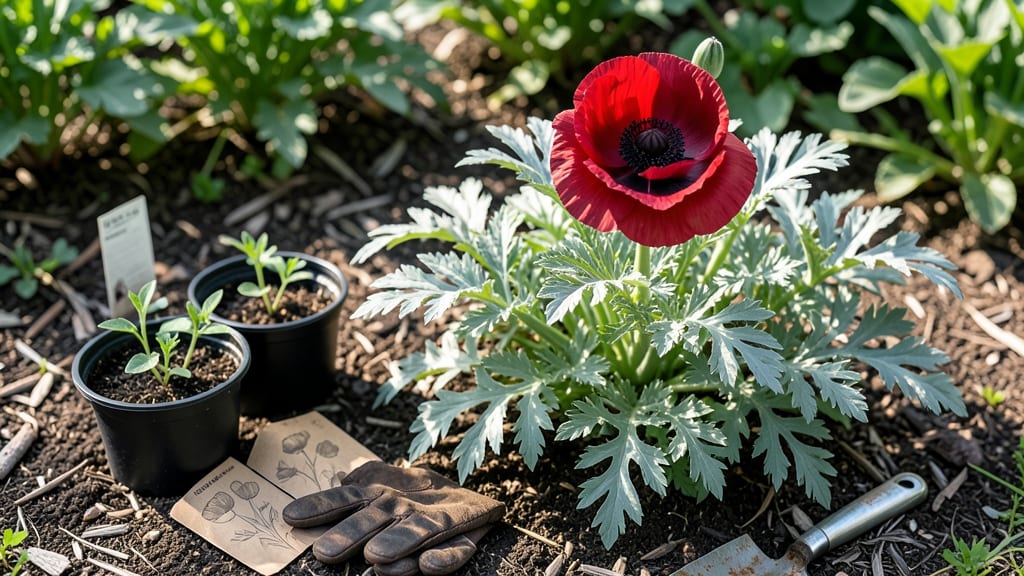
Those velvety black-red blooms make oriental poppies the star of late-spring gardens—and here’s how to grow them easily. 🌸 I’ve grown them for years, and they’re easier to start than most people think—once you know their quirks. The key? Patience with germination and understanding their love for dry summers.
You’ll need a sunny spot (at least 6 hours of light daily), well-draining soil, and a head start indoors 8-10 weeks before frost. Oriental poppies hate soggy roots, so raised beds or sandy loam work best. Seeds germinate slowly—sometimes weeks—so don’t panic if nothing happens fast.
By summer, you’ll have 3-foot-tall plants with papery buds that open into showy, 4-inch blooms. The trade-off? They go dormant in fall, but with proper care, they’ll return year after year. Deadheading spent flowers keeps them blooming longer, and dividing clumps every 3-4 years prevents overcrowding.
Perfect for cottage gardens, cutting arrangements, or as a dramatic backdrop for perennials. Just avoid rich soil—they bloom best when slightly stressed. Here’s how to get them thriving from the first seedling to their grand finale.
📚 In This Guide
- What you need
- Instructions
- Tips and common mistakes
- Wrapping up and next steps
What you need
- ● Seeds: Oriental poppy seeds (choose heirloom or hybrid varieties for vibrant colors). Quantity: 10–20 seeds per plant (or pre-started seedlings).
- ● Well-draining soil: Mix of 50% garden soil, 30% compost, and 20% coarse sand or perlite (critical for preventing rot!).
- ○ Containers (optional for starting): 3–4" deep pots with drainage holes (1–2 seeds per pot).
- ● Watering can or hose: With a gentle spray nozzle (poppies hate soggy roots!).
- ● Fertilizer: Low-nitrogen, phosphorus-rich fertilizer (e.g., 5-10-10 or bone meal) for blooms. Apply sparingly!
- ○ Gloves (optional): Poppy seeds and foliage can irritate skin.
- ● Trowel or small shovel: For transplanting seedlings.
- ○ Mulch (optional): Straw or shredded leaves to retain moisture (keep 2–3" away from stems).
- ○ Stakes or cages (optional): For tall varieties (3–4 ft) to prevent flopping.
- ○ Pruners (optional): For deadheading spent blooms (encourages reblooming!).
- ● Sunlight: Full sun (6+ hours daily)—no compromises!
- ● Climate: Cold-hardy (zones 3–8); plant in early spring or fall (avoid summer heat).
- ● Spacing: 18–24" apart (they’ll spread!).
Step-by-Step instructions for growing oriental poppies
Here's the foolproof method I've used to grow Oriental poppies with bold, long-lasting blooms—no guesswork, just reliable results.
🌱 Step 1: Start Seeds Indoors at the Right Time
Oriental poppies need a cold stratification period to germinate properly, so I start seeds 8-10 weeks before the last frost date in my zone. Use sterile seed-starting mix (never garden soil—it’s too dense and can harbor diseases). Fill small seed trays or 2-inch pots with the mix, leaving ½ inch of space at the top.
Press the soil down lightly to remove air pockets, then moisten it until it feels like a slightly damp sponge. Plant 2-3 seeds per pot at a depth of ⅛ inch—they’re tiny, so I use a toothpick to create small holes. Cover them with a thin layer of mix, mist gently with water, and place the trays in a cool, dark spot (around 60-65°F).
💧 Step 2: Provide Moisture and Light for Germination
Keep the soil consistently moist but never soggy—Oriental poppy seeds rot if overwatered. I use a spray bottle to avoid disturbing them, misting every 2-3 days until germination. Poppies can take 2-4 weeks to sprout, so patience is key. Once the first true leaves (not the tiny cotyledons) appear, move the trays to a bright, sunny window or under grow lights for 12-14 hours daily.
If seedlings look leggy or pale, they need more light. I adjust the grow light to 2-3 inches above the plants and raise it as they grow. Leggy seedlings won’t recover well, so act fast if you see them stretching toward the light.
☀️ Step 3: Harden Off and Transplant Outdoors
About 4-6 weeks before the last frost, start hardening off the seedlings. Place them outside in a sheltered spot for 1-2 hours the first day, gradually increasing exposure over 7-10 days. Oriental poppies hate transplant shock, so I wait until the soil is warm (at least 50°F) before moving them to the garden.
Choose a sunny location with well-draining soil—poppies will not tolerate soggy roots. Space seedlings 12-18 inches apart in rows 2 feet apart to give them room to mature. Dig holes slightly deeper than the root ball and water deeply after planting to settle the soil.
✂️ Step 4: Maintain Soil and Support for Strong Blooms
Oriental poppies thrive in poor, dry soil—too much fertilizer leads to floppy stems and fewer blooms. I skip fertilizer entirely and instead mulch lightly with compost to improve drainage. Water deeply but infrequently, aiming for 1 inch per week—more often leads to weak stems and disease.
As the plants grow, they’ll need stakes or cages (I use 5-foot bamboo stakes) to support their top-heavy blooms. Install supports early—poppies grow fast, and waiting until they’re tall makes staking difficult. Deadhead spent blooms to encourage more flowers and prevent self-seeding if you don’t want volunteers popping up everywhere.
🌿 Step 5: Enjoy and Extend the Season
The payoff comes in late spring to early summer when those bold, papery blooms open. Oriental poppies are short-lived perennials, so I treat them as biennials—they’ll often self-seed for a second year. To prolong blooms, I cut back faded flowers and water deeply during dry spells.
If you want to save seeds for next year, let some pods mature—they’ll dry and split open when ready. Collect the seeds and store them in a cool, dry place until planting time. With proper care, your poppies will be the showstopper of the garden!
Tips & tricks for growing oriental poppies
These game-changing insights will transform your poppy-growing journey from uncertain to spectacular.
Timing Secret: The 8-10 week indoor start window is non-negotiable for Oriental poppies—this cold stratification period mimics their natural dormancy cycle. To avoid confusion, calculate your last frost date, then count backward. I always mark this on my calendar with a bright sticker so I don't miss it. If you start too late, germination rates plummet dramatically.
Seedling Support: In Step 2, when you notice those first true leaves, it's time to upgrade their lighting situation. I've found that a simple LED grow light on a timer (set for 12-14 hours) makes all the difference. Position it just 2-3 inches above the seedlings—any closer and you'll scorch them. Watch for that classic "leggy" growth pattern as your red flag that they need more light immediately.
Transplanting Strategy: Oriental poppies despise soggy roots, so when you're preparing the garden bed in Step 3, take an extra 10 minutes to test your soil's drainage. Dig a hole, fill it with water, and if it doesn't drain completely within an hour, amend with coarse sand or perlite. I also recommend planting on a slight mound—this natural elevation prevents water pooling around the roots during those inevitable spring rains.
Bloom Extension: For maximum floral impact, implement this two-step deadheading technique: First, remove the entire spent bloom stem down to the first set of leaves (this encourages new side shoots). Then, for the showiest display, leave one mature seed pod per plant to dry completely—this ensures you'll have fresh seeds for next season while still maintaining your garden's aesthetic. The key is timing: do this immediately after blooms fade but before the pods turn brown.
Pro Tips for Grow Oriental Poppies
- These game-changing insights will transform your poppy-growing journey from uncertain to spectacular.
- Timing Secret: The 8-10 week indoor start window is non-negotiable for Oriental poppies—this cold stratification period mimics their natural dormancy cycle.
- Seedling Support: In Step 2, when you notice those first true leaves, it's time to upgrade their lighting situation.
Frequently asked questions
Got questions about growing oriental poppies? You’re not alone—these dramatic blooms can be finicky but rewarding! Here are answers to the most common queries to help you cultivate showstopping poppies with confidence.
How long does it take for oriental poppies to grow from seed?
Patience is key! Oriental poppies typically take 120–150 days to bloom from seed. Start indoors 8–10 weeks before your last frost for a summer display. If sown directly in spring, expect blooms late summer to fall (or even the following year for biennials).
Can oriental poppies survive winter? How do I protect them?
Most oriental poppies are hardy to USDA zones 3–8 but struggle with soggy soil. In colder climates, mulch heavily with straw or leaves after the first frost. In mild winters, they may self-seed—just thin seedlings in spring. If your winters are harsh, treat them as annuals or lift tubers in fall.
Why aren’t my oriental poppy seeds germinating? Troubleshooting tips!
Cold stratification is critical! If seeds aren’t sprouting, try this:
- Chill them: Place seeds in a damp paper towel in the fridge for 4–6 weeks before planting.
- Check moisture: Keep soil consistently moist (not soggy) during germination.
- Avoid depth: Plant seeds ¼ inch deep—they need light to sprout.
- Patience: Germination can take 2–4 weeks in ideal conditions.
Are oriental poppies toxic to pets or humans?
Yes, all parts of the poppy plant—leaves, stems, and seeds—contain alkaloids like morphine (though in non-lethal amounts). While ingestion may cause mild stomach upset, keep pets away from chewed foliage. Never consume poppy seeds in large quantities unless from food-grade sources (like baking).
Can I grow oriental poppies in containers? What’s the best setup?
Choose a large pot (12+ inches deep) with drainage holes and use a well-draining mix (60% potting soil, 30% perlite, 10% compost). Place in full sun and water deeply but infrequently to prevent root rot. Dwarf varieties like ‘Peach Blush’ thrive in containers—just stake tall stems to prevent flopping!
Will oriental poppies come back every year? How to encourage self-seeding?
Most are biennials, meaning they bloom the second year and may self-seed afterward. To encourage returns:
- Let some seed pods mature on the plant before deadheading.
- Avoid disturbing soil where they grow—poppies dislike transplanting.
- Mulch lightly in fall to protect overwintering seedlings.
Wrapping up and next steps
Growing oriental poppies is a rewarding journey that brings bold, vibrant blooms to your garden with minimal fuss—once you master their quirks! 🌸 From selecting the right seeds to giving them space and patience, these showstoppers thrive when you follow their simple needs.
With a little care, you’ll soon be enjoying their dramatic, papery petals in shades of pink, red, and white.
Ready to level up your garden? Start small—try a few seeds in a sunny patch this spring—and let their magic unfold. Before you know it, you’ll be sharing your poppy success (or troubleshooting tips!) with fellow gardening enthusiasts. Happy planting! 🌱