
Size
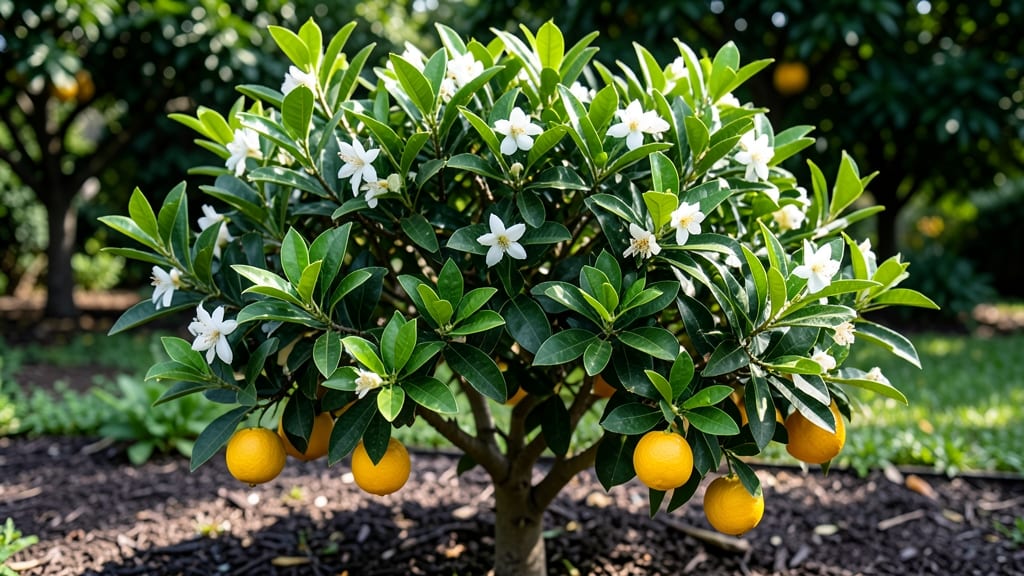
You’ll need a spot with 6+ hours of sunlight daily, well-draining soil, and either a container (for patios) or a hole twice as wide as the root ball. Satsumas thrive in zones 7-10, making them the only citrus that survives northern winters with minimal protection.
By summer, you’ll be harvesting fruit that tastes like summer vacation—no pesticides, no grocery store markup. The first year focuses on root growth, but with consistent watering (deep but infrequent) and light pruning, you’ll get your first crop in 3-5 years.
Container growers can bring trees indoors during winter, while in-ground trees need mulch to protect roots. Either way, these trees reward patience with zero-maintenance beauty and flavor.
📚 In This Guide
- What you need
- Instructions
- Tips and common mistakes
- Wrapping up and next steps
What you need
- ● Satsuma tree seedlings or saplings: 1–2 cold-hardy varieties (like 'Owari' or 'Okitsu') from a reputable nursery. Ensure they’re disease-free and potted or bare-root.
- ● Well-draining citrus soil mix: 50% native soil + 50% organic matter (compost, peat moss, or coconut coir). Avoid heavy clay.
- ● Pot or planting site: For containers: 5–7 gallon pot with drainage holes (1 per tree). Use a pot with a saucer to catch excess water.
- ● For in-ground planting: A sunny spot (6+ hours of light) with loose, slightly acidic soil (pH 6.0–6.5). Space trees 10–15 feet apart.
- ● Fertilizer: Slow-release citrus fertilizer (10-10-10 or 8-3-9 NPK ratio). Start with 1–2 tablespoons per tree at planting.
- ● Mulch: 2–3 inches of organic mulch (straw, wood chips, or pine bark) to retain moisture and regulate soil temperature.
- ● Trowel or shovel (for planting)
- ● Garden gloves (to protect your hands)
- ● Watering can or hose with a gentle spray nozzle
- ● Pruning shears (sterilized with rubbing alcohol)
- ○ pH testing kit (optional but helpful for soil checks)
- ○ Support stake (optional for young trees in windy areas)
- ● Climate: Satsumas thrive in USDA Zones 7–9. Protect young trees from frost with frost cloth or move pots indoors.
- ● Water access: Consistent moisture (especially in containers). Avoid soggy soil.
- ● Patience: Trees take 3–5 years to bear fruit, but they’re worth the wait!
Step-by-step instructions for growing satsuma trees
Here's how I grow these cold-hardy citrus trees—no green thumb required.
🌱 Step 1: Select the Right Satsuma Variety and Planting Site
Satsumas thrive in USDA Zones 7-9, where they can handle brief freezes down to 15°F. Choose a dwarf variety like 'Owari' or 'Okitsu' for containers or small yards—these stay under 8 feet tall and produce fruit in 3-5 years. The key is full sun: plant where your tree gets 6-8 hours of direct sunlight daily, preferably in a spot sheltered from harsh winter winds.
I always check soil drainage first—satsumas hate soggy roots. Amend heavy clay with 2-3 inches of compost or plant in a well-draining container if your yard floods easily. The root ball should sit 1-2 inches above the surrounding soil to prevent water pooling. Here's the thing—if your soil drains poorly, even a healthy-looking tree will struggle when winter arrives.
☀️ Step 2: Plant at the Right Time and Provide Optimal Care
Plant bare-root satsumas in early spring when soil temperatures reach 60°F—this gives roots time to establish before summer heat. For container-grown trees, plant anytime during the growing season. Dig a hole twice as wide as the root ball but no deeper, then loosen the roots gently if they're circling. Backfill with native soil mixed with 1 part compost to encourage root spread.
Water deeply right after planting, then maintain 1-2 inches of moisture weekly—more in summer, less in winter. I mulch with 2-3 inches of wood chips to retain moisture and protect roots from temperature swings. Watch for yellowing leaves in summer—this usually means underwatering, while drooping leaves signal overwatering. Satsumas are forgiving, but consistency is key: let the top 2 inches of soil dry between waterings.
✂️ Step 3: Prune and Protect for Year-Round Growth
Prune in late winter or early spring before new growth begins. Remove dead, crossing, or weak branches first, then thin the canopy to improve airflow—this prevents fungal diseases. I never cut more than 25% of the tree's foliage in one season, or the tree struggles to photosynthesize enough for fruit production. Shape the tree to open the center, letting sunlight reach inner branches where fruit develops.
Winter protection is critical in marginal zones. When temperatures drop below 25°F, wrap the trunk with burlap or tree wrap and cover the canopy with frost cloth if your variety isn't fully cold-hardy. I also add 4-6 inches of mulch around the base to insulate roots. Here's what I've learned: a little extra care in winter means a bountiful harvest the following year—skipping this step risks losing your tree entirely.
Tips & tricks for growing satsuma trees
Here's what I've learned after growing these cold-hardy citrus trees for years—simple tricks that make all the difference between a struggling plant and a thriving fruit producer.
Sunlight Strategy: While 6-8 hours of sunlight is the minimum, I've found that positioning your satsuma tree where it gets morning sun and afternoon shade (especially in hotter zones) actually produces sweeter fruit. The intense afternoon sun can stress the tree, so if you notice leaves curling or browning at the edges, consider moving it slightly or providing afternoon shade during peak summer months.
Soil Test First: Before planting, I recommend getting a simple soil test kit from your local garden center—it costs just a few dollars and can save you heartache. Satsumas prefer slightly acidic soil (pH 6.0-7.0), and if your test shows different, you can amend with sulfur or lime before planting. I've seen trees planted in alkaline soil struggle for years before realizing this simple fix.
Winter Protection Hack: For that critical 25°F threshold, I've had great success with a DIY frost blanket system. Use old bedsheets or lightweight row covers instead of expensive frost cloth—just drape them loosely over the tree and secure with stakes. This allows some airflow while still protecting tender branches. The key is to remove it during the day when temperatures rise above freezing to prevent moisture buildup.
Pruning Timeline: That late winter/early spring pruning window is more important than you might think. I've noticed that trees pruned too early (before the last frost) can get damaged by unexpected cold snaps, while pruning too late delays the tree's spring growth. Aim for pruning when you can see buds starting to swell but before any new leaves appear—this is usually about 2-3 weeks before your last expected frost date.
Pro Tips for Grow Satsuma Trees
- Here's what I've learned after growing these cold-hardy citrus trees for years—simple tricks that make all the difference between a struggling plant and a thriving fruit producer.
- Sunlight Strategy: While 6-8 hours of sunlight is the minimum, I've found that positioning your satsuma tree where it gets morning sun and afternoon shade (especially in hotter zones) actually produces sweeter fruit.
- Soil Test First: Before planting, I recommend getting a simple soil test kit from your local garden center—it costs just a few dollars and can save you heartache.
Frequently asked questions
about growing satsuma trees—because every gardener deserves a little clarity!How cold can satsuma trees tolerate?
Satsumas are frost-hardy citrus! They can handle brief dips to 15–20°F (-9 to -7°C) without damage, making them perfect for USDA Zones 7–10. Just avoid prolonged freezing—mulch heavily in winter for extra protection.
When should I harvest satsuma oranges?
Harvest when the fruit is bright orange and slightly soft to the touch (usually October–December in most regions). They won’t ripen further off the tree, so pick them firm but ripe. Store in a cool, dry place for up to 3 months!
Can I grow satsumas in containers?
Use a 15–20 gallon pot with drainage holes and well-draining soil. Place in full sun and move indoors (or to a garage) when temps drop below 30°F (-1°C). Dwarf varieties like ‘Owari’ thrive in containers.
What pests should I watch for?
Common culprits include aphids, scale, and citrus leaf miners. Spray with neem oil or insecticidal soap for mild infestations. Prune affected branches and keep the tree healthy—strong trees resist pests better!
How fast do satsuma trees grow?
Young trees grow 12–24 inches (30–60 cm) per year, while mature trees add 6–12 inches (15–30 cm) annually. With proper care, they’ll bear fruit in 3–5 years. Patience pays off—satsumas are worth the wait!
Wrapping up and next steps
Growing your own Satsuma trees is a rewarding journey that brings sweet, seedless citrus straight to your doorstep! 🌱 With the right location, care, and patience, you’ll enjoy a bountiful harvest in just a few years.
Whether you’re a seasoned gardener or a beginner, these three simple steps make it easier than ever.
Now that you’re armed with knowledge, it’s time to take action! Start by selecting your perfect Satsuma variety and prepare your space—your future citrus grove awaits. Happy planting, and may your trees thrive! 🍊✨