
Size
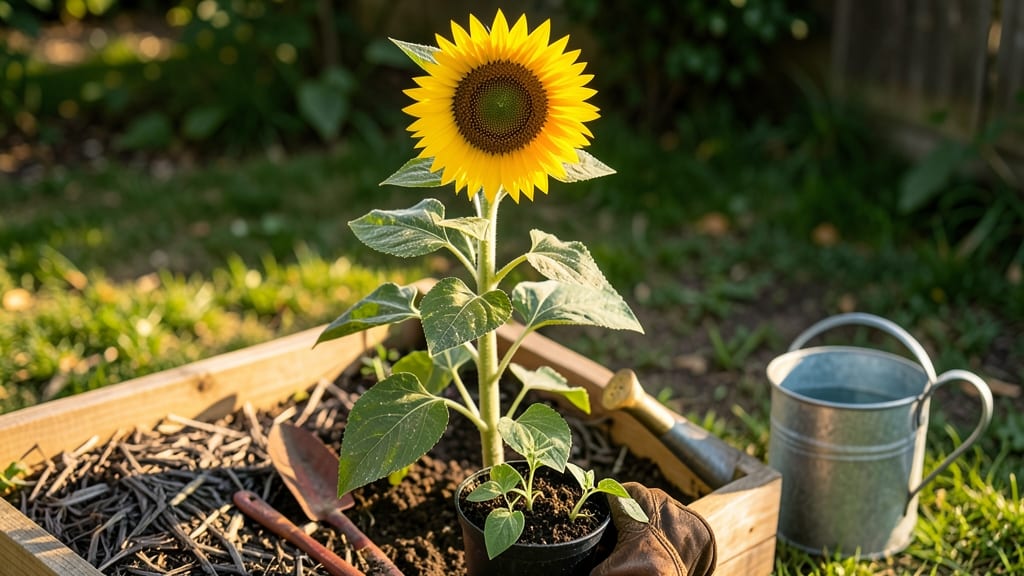
How to grow sunflowers in Florida turns the state’s scorching sun into their perfect stage—if you pick the right varieties. 🌻 I’ve grown sunflowers here for years, and the secret isn’t just heat tolerance—it’s choosing drought-resistant types like ‘Moulin Rouge’ or ‘Russian Giant’ that stand tall even when temps hit 95°F.
Start seeds indoors 8-10 weeks before last frost (or direct-sow after soil warms to 60°F), but watch for fungal issues—Florida’s humidity loves powdery mildew. Amend heavy clay soil with compost to improve drainage, and space plants 12-18 inches apart for airflow.
Water deeply at the base, not overhead, to keep foliage dry.
By midsummer, you’ll see stems reaching 10+ feet, their golden blooms tracking the sun like tiny solar panels. The biggest challenge? Squirrels—cover seeds until sprouts emerge, or they’ll snack before you do. With the right prep, these sunflowers become your yard’s dramatic centerpiece.
Harvest when petals wilt but centers stay dry—cut stems at dawn for longest vase life. Save seeds for next year’s garden, or let them feed birds. Florida’s heat actually makes sunflowers more striking, if you give them the right care.
📚 In This Guide
- What you need
- Instructions
- Tips and common mistakes
- Wrapping up and next steps
What you need
- ● Sunflower seeds: Choose Florida-friendly varieties like Russian Giant (10–12 ft) or Moulin Rouge (5–6 ft). Buy 50–100 seeds for a full patch.
- ● Well-draining soil: Mix 1 part native Florida soil with 1 part compost or potting mix (avoid heavy clay). Test pH (ideal: 6.0–7.0).
- ● Fertilizer: A balanced 10-10-10 or slow-release organic fertilizer (e.g., bone meal or fish emulsion). Apply 1 tbsp per plant at planting.
- ● Watering can or hose: With a gentle spray nozzle to avoid disturbing seedlings.
- ● Garden trowel or transplanter: For digging holes (6–8 inches deep).
- ○ Garden stakes or cages: 6–8 ft tall for giant varieties (optional but helpful for windy Florida afternoons!).
- ● Mulch (straw or pine needles): 2–3 inches thick to retain moisture and suppress weeds.
- ● Pruners (small bypass): For trimming dead leaves or harvesting seeds.
- ● Sunlight: Full sun (6+ hours daily). Florida’s heat is perfect—just avoid midday shade.
- ● Space: Giant varieties need 18–24 inches between plants; dwarfs can share 12-inch spacing.
- ● Timing: Plant after the last frost (mid-March to early April) or in late summer (August–September) for a fall bloom.
- ● Drainage: Ensure no standing water—sunflowers hate soggy roots!
- ● Drip irrigation kit for consistent watering.
- ● Bird netting to protect seeds from hungry critters.
- ● Garden journal to track growth and varieties.
Step-by-step instructions for growing sunflowers in Florida's heat
Florida’s long growing season and intense sun make it perfect for sunflowers—just pick the right varieties and timing.
🌱 Step 1: Choose Heat-Tolerant Varieties and Planting Time
Florida’s summer heat stresses sunflowers, so focus on tall, heat-resistant varieties like ‘Russian Giant’ or ‘Mammoth’—they thrive in 85-95°F temperatures. Plant seeds 6-8 weeks before your first frost (typically late winter to early spring) for fall blooms, or direct-sow in late summer for cooler-season growth. Avoid planting in peak summer heat—seedlings will bolt or wilt.
I always check the USDA Hardiness Zone 9-10 guidelines for Florida, since our warm winters mean we can grow sunflowers year-round with proper spacing. Space seeds 6-12 inches apart in rows 2-3 feet apart—this prevents overcrowding and fungal issues from poor air circulation.
☀️ Step 2: Prepare Soil and Plant in Full Sun
Sunflowers need well-draining soil with a pH of 6.0-7.0. Amend heavy Florida clay with 2-3 inches of compost or aged manure before planting to improve drainage and fertility. Work the compost into the top 6 inches of soil—this ensures roots have access to nutrients without sitting in soggy conditions.
Plant seeds 1 inch deep in full sun (6+ hours daily). Florida’s intense sunlight can scorch young seedlings, so I start seeds indoors under grow lights 2-3 weeks before transplanting. Harden off seedlings by placing them outside in partial shade for 2-3 hours daily before moving them to full sun permanently.
💧 Step 3: Water Deeply and Monitor for Heat Stress
Water deeply 2-3 times per week—sunflowers hate shallow, frequent watering, which encourages weak stems and root rot. Aim for 1-1.5 inches of water per week, delivered at the base of the plant to avoid wetting foliage (which promotes mildew). Let the top 2 inches of soil dry out between waterings to prevent fungal issues.
Watch for heat stress signs: wilting leaves, yellowing lower foliage, or stunted growth. If temperatures exceed 95°F, provide afternoon shade with lightweight shade cloth (30-50%) until plants adjust. Mulch with 2-3 inches of straw to retain moisture and regulate soil temperature—this is especially critical in Florida’s sandy soils.
✂️ Step 4: Support Tall Varieties and Harvest Seeds
Tall sunflowers like ‘Russian Giant’ need staking or trellising—I use 8-foot bamboo stakes driven 6 inches deep and tie stems loosely with soft plant ties every 2 feet. Avoid tight bindings, which can girdle stems as they thicken. Prune lower leaves to improve airflow and reduce disease risk.
Harvest seeds when the back of the flower head turns yellow and the petals drop. Cut the head, hang it upside down in a dry, well-ventilated space, and let seeds dry for 2-3 weeks. Remove dried petals and chaff by hand or with a fan—Florida’s humidity makes mechanical drying tricky, so patience is key.
🌿 Step 5: Prevent Pests and Diseases in Humid Conditions
Florida’s humidity invites sunflower moths, aphids, and powdery mildew. I spray seedlings preventatively with neem oil every 7-10 days to deter pests. For mildew, mix 1 tablespoon baking soda + 1 quart water + a drop of dish soap and spray foliage in the early morning to avoid scorching.
Remove dead or diseased leaves immediately—don’t compost them, or you’ll spread pathogens. Rotate crops yearly to prevent soil-borne diseases like Sclerotinia stem rot, which thrives in Florida’s warm, wet conditions. Crop rotation breaks the disease cycle and keeps your sunflowers healthy for years.
Tips & tricks for growing tall sunflowers in Florida's heat
Florida’s punishing sun and humidity demand smart strategies—here’s how to give your sunflowers the edge they need to thrive.
Variety Selection: Beyond ‘Russian Giant’ and ‘Mammoth,’ consider ‘Autumn Beauty’ for its heat tolerance and vibrant color shifts. These varieties handle Florida’s 85-95°F range better than standard types. I’ve found that pre-sprouting seeds indoors for 2-3 days before transplanting gives them a head start against Florida’s rapid drying soils—just plant them 1 inch deep as directed.
Soil Preparation: Florida’s clay-heavy soils can suffocate roots, so I always mix in 2-3 inches of compost and work it into the top 6 inches of soil. For extra insurance against fungal issues, add a handful of perlite or coarse sand to improve drainage. Test your soil’s pH—if it’s below 6.0, amend with pelletized lime to reach the ideal 6.0-7.0 range for sunflowers.
Heat Stress Management: When temperatures hit 95°F, I move shade cloth over seedlings for 2-3 hours in the afternoon, then remove it as the sun dips. This gradual adjustment prevents shock. Mulching with 2-3 inches of straw keeps roots cool while conserving moisture—critical in Florida’s sandy soils where water drains like a sieve.
Support System: For ‘Russian Giant’ varieties, I recommend 8-foot bamboo stakes driven 6 inches deep at planting time. This prevents the need for later adjustments as stems thicken. Use soft plant ties every 2 feet but leave room for growth—tight bindings can strangle stems as they mature. Prune lower leaves regularly to improve airflow and reduce humidity-related disease risks.
Pro Tips for Grow Sunflowers In Florida
- Florida’s punishing sun and humidity demand smart strategies—here’s how to give your sunflowers the edge they need to thrive.
- Variety Selection: Beyond ‘Russian Giant’ and ‘Mammoth,’ consider ‘Autumn Beauty’ for its heat tolerance and vibrant color shifts.
- Soil Preparation: Florida’s clay-heavy soils can suffocate roots, so I always mix in 2-3 inches of compost and work it into the top 6 inches of soil.
Frequently asked questions
Got questions about growing sunflowers in Florida’s sunny (and sometimes sticky) climate? You’re not alone! Here are answers to the most common queries to help you cultivate the tallest, happiest sunflowers in your garden.
When is the best time to plant sunflowers in Florida?
Sunflowers thrive in Florida’s warm soil, so plant them after the last frost (typically mid-March to early April) for spring blooms. For a fall harvest, sow seeds in late summer (August–September) to avoid summer’s peak heat. Just ensure they get 6+ hours of sunlight daily—they’re sun-lovers!
Why aren’t my sunflower seeds germinating?
Seeds need consistent moisture and warmth (70–80°F) to sprout. If they’re not germinating, check soil moisture—keep it damp but not soggy. Try pressing seeds 1 inch deep in well-draining soil. If mold appears, let the soil dry slightly before replanting. Patience is key—germination can take 7–14 days!
Can sunflowers survive Florida’s summer heat?
Most sunflowers bolt (flower prematurely) in extreme heat (above 90°F). For summer planting, choose heat-tolerant varieties like ‘Moulin Rouge’ or ‘Autumn Beauty.’ Provide afternoon shade with a light cloth or mulch to retain moisture. Water deeply at the base (not leaves) to prevent stress.
What pests should I watch for in Florida sunflowers?
Keep an eye out for aphids, beetles, and sunflower moths, which can chew leaves or lay eggs. Handpick larger pests or spray with neem oil for organic control. Birds love sunflower seeds—use netting over young plants if needed. Healthy soil (rich in compost) helps plants resist pests naturally!
Are there dwarf sunflower varieties for small Florida spaces?
If space is limited, try ‘Teddy Bear’ (3–4 ft) or ‘Little Becka’ (2–3 ft)—both thrive in containers or small gardens. These varieties still produce cheerful blooms and are perfect for patios or balconies. Just ensure they get full sun and well-draining soil!
Wrapping up and next steps
Growing sunflowers in Florida’s sunny skies is easier than you think—just follow the right steps! From choosing the tallest, heat-loving varieties like ‘Russian Giant’ or ‘Mammoth’ to giving them well-draining soil and plenty of water, you’re well on your way to a stunning harvest.
With patience and care, you’ll soon enjoy towering blooms that bring joy and maybe even a few seeds for snacking!
Ready to dive in? Start by picking your seeds and marking your calendar for planting—your future sunflower giants are waiting for you! 🌻✨