
Size
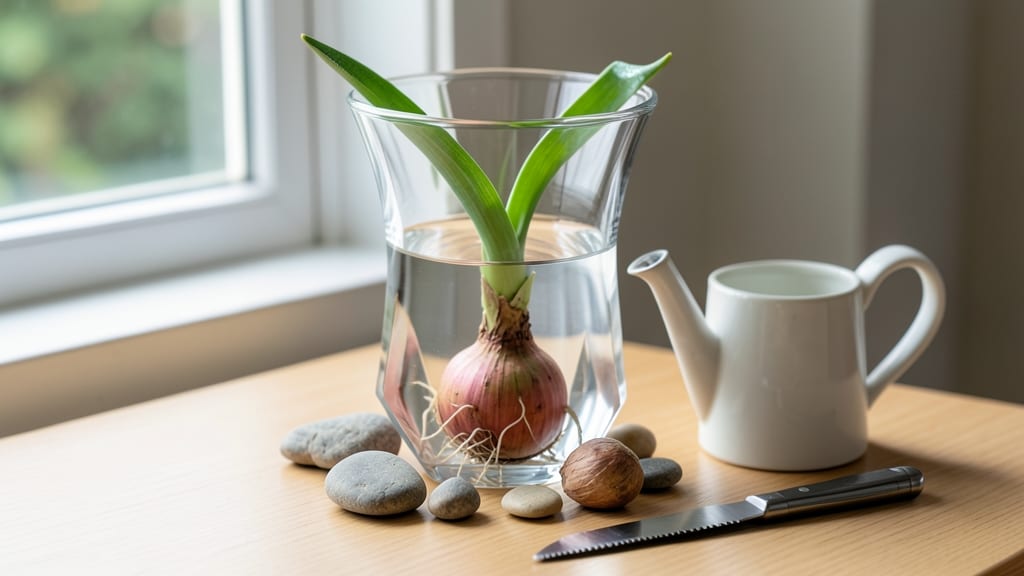
How to grow tulips indoors in water feels like Christmas magic—just imagine vibrant blooms sprouting from a jar of water in February. 🌷 The secret? No soil, just water, and a few weeks of patience. I’ve forced tulips indoors every winter since my first awkward attempt with a mason jar and a single bulb—now I get showstopping blooms that brighten dark winter days.
You only need three things: tulip bulbs (pick sturdy ones from the grocery store), a clear vase or jar, and water. Place the bulbs base-down in water, changing it every few days, and keep them in a cool, bright spot.
Within weeks, roots sprout, then leaves, and finally—those showstopping blooms. No dirt, no mess, just pure spring beauty.
This method works even for beginners because it’s forgiving. Tulips forgive occasional neglect, and the process teaches you how plants wake from dormancy. The biggest mistake? Using warm water or overcrowding bulbs—both stunt growth. With the right care, you’ll have cut flowers that last longer than store-bought bouquets.
Once blooms fade, compost the bulbs (yes, they’re done for the year). But the real reward? Knowing you grew something impossible to buy in winter. Next year, try forcing daffodils or hyacinths—the same rules apply. Here’s how to start your first batch today.
📚 In This Guide
- What you need
- Instructions
- Tips and common mistakes
- Wrapping up and next steps
What you need
- ● Tulip bulbs: 3–5 healthy, firm tulip bulbs (preferably smaller varieties like Darwin Hybrid or Fosteriana for best results). Choose bulbs labeled "forcing" if available.
- ● Clear glass or vase: A wide-mouth jar (e.g., a mason jar, vase, or even a repurposed glass) with a minimum diameter of 4–6 inches to accommodate the bulbs.
- ● Fresh, cool water: Room-temperature or slightly chilled water (change weekly). Avoid tap water with high chlorine—let it sit out for 24 hours or use filtered water.
- ● Pebbles or marbles: Small decorative stones (e.g., river rocks or glass marbles) to weigh down the bulbs and keep them submerged in water.
- ● Scissors or pruning shears: For trimming stems and leaves as needed.
- ● Hydrogen peroxide (3% solution): 1–2 drops per quart of water to prevent bacterial growth and keep water fresh longer.
- ● Food coloring or natural dyes: A few drops of gentle, plant-safe dye (like beet juice) to tint the water for a fun visual effect.
- ● Decorative elements: Twine, lace, or a ribbon to tie around the vase for a festive touch.
- ● Grow lights or sunny windowsill: A south-facing window or a grow light (12–14 hours of light daily) to encourage blooming.
- ● Thermometer: To monitor water temperature (ideal range: 60–65°F for best results).
Step-by-Step instructions for growing tulips indoors in water
Here's the simple method I use every year to bring spring indoors early—no dirt, no fuss, just stunning blooms.
🌱 Step 1: Select and Prepare Your Tulip Bulbs
Choose firm, plump tulip bulbs—avoid any with soft spots or sprouts already emerging. The larger the bulb (3-4 inches in diameter), the bigger your bloom will be. For best results, pick varieties bred for forcing, like 'Apeldoorn' or 'Darwin Hybrid'—they're reliable performers indoors.
Fill a shallow dish (like a pie plate) with room-temperature water about 1 inch deep. Gently place the bulbs in the water, making sure the base (where the roots will emerge) touches the water but the top stays dry. Don't crowd them—space them 1-2 inches apart so they don't compete for nutrients. This is where it starts: patience and proper placement.
💧 Step 2: Provide Consistent Moisture and Indirect Light
Keep the water level at 1 inch deep at all times—top off as needed. Change the water every 3-4 days to prevent bacterial growth. You'll notice tiny white roots emerging from the base in about 1-2 weeks. That's your first sign everything's working!
Place the dish in a spot with bright, indirect light—a north-facing window or under a grow light works best. Avoid direct sunlight, which can cause the bulbs to overheat. You'll see the first green shoots (leaves) appear after 2-3 weeks. This is when the magic really begins—the stems will start to elongate rapidly.
☀️ Step 3: Adjust Light and Water as Growth Progresses
Once the stems reach about 4-6 inches tall, move the dish to a cooler spot (55-65°F) with 12-14 hours of light daily. A basement or unheated garage works well if you have one. This chilling period mimics winter conditions and encourages blooming. You'll see the buds form at the top of the stems in about 4-6 weeks total.
Continue changing the water every 3-4 days—the roots will be actively growing, and fresh water prevents rot. If you notice the stems leaning toward the light, rotate the dish a quarter turn daily to keep them upright. This ensures your tulips grow strong and sturdy, not lopsided.
⏰ Step 4: Trigger Blooming and Enjoy Your Flowers
When the buds are fully formed but still closed, move the dish back to room temperature (65-70°F) and place it in a bright spot. You'll see the buds open in 3-5 days. The blooms will last 5-7 days indoors—longer if you keep the water fresh and the leaves trimmed.
Here's the thing—once the tulips bloom indoors, they've used up most of their energy. After the flowers fade, you can either cut the stems back to the bulb and compost them, or replant the bulbs in soil outdoors after the last frost. Either way, you've already enjoyed their beauty early, and that's the whole point.
Tips & tricks for forcing tulips indoors without soil
Here's what I learned after forcing tulips indoors for years—these small details make all the difference between wimpy stems and showstopping blooms.
Bulb Selection Matters: In Step 1, I can't stress enough how important it is to choose bulbs that are firm and free of sprouts. The 3-4 inch diameter recommendation is key—smaller bulbs often don't have the energy to bloom indoors. I've found that bulbs with a slight papery texture on top (like 'Darwin Hybrid') tend to perform best because they're bred specifically for forcing. Look for bulbs that feel heavy for their size—this indicates they're packed with stored energy for blooming.
Light Rotation Secret: When your stems reach 4-6 inches in Step 3, you'll want to rotate the dish a quarter turn daily. This might seem like a small detail, but it prevents stems from leaning toward the light source and growing lopsided. I've seen stems grow so dramatically that they'll start bending toward the window if you don't rotate them. Think of it like turning a houseplant regularly—it keeps everything growing straight and strong.
Water Quality Tip: While the instructions mention changing water every 3-4 days, I've found that using distilled or filtered water makes a noticeable difference. Regular tap water can contain minerals that build up in the dish and potentially harm the roots over time. If you're using tap water, let it sit out overnight before using to allow chlorine to evaporate. The water should always be room temperature—cold water can shock the developing roots.
Temperature Transition: The move from 55-65°F to 65-70°F in Steps 3 and 4 is crucial for blooming. I've had the best success by using a thermometer to monitor the temperature during this transition. If your home tends to be warmer, consider moving the dish to a cooler room during the chilling period. The temperature shift mimics the natural spring warming that triggers blooming in outdoor tulips.
Pro Tips for Grow Tulips Indoors In Water
- Here's what I learned after forcing tulips indoors for years—these small details make all the difference between wimpy stems and showstopping blooms.
- Bulb Selection Matters: In Step 1, I can't stress enough how important it is to choose bulbs that are firm and free of sprouts.
- Light Rotation Secret: When your stems reach 4-6 inches in Step 3, you'll want to rotate the dish a quarter turn daily.
Frequently asked questions
about growing tulips indoors in water—because even the best gardeners need a little extra guidance! Here are answers to the most common questions to help you force those beautiful blooms with ease.Can I use any type of tulip bulb for this method?
Not all tulips thrive indoors in water! Opt for species tulips (like Tulipa greigii or Tulipa clusiana) or Darwin Hybrid varieties—they’re hardy and adapt well. Avoid parrot tulips or double bloomers; they’re better suited for outdoor planting. Check the bulb packaging for "indoor forcing" labels for best results.
How long does it take for tulips to bloom indoors?
Patience is key! With proper chilling (12–16 weeks at 35–45°F), your tulips will sprout in 4–6 weeks after planting. Full blooms typically appear 6–8 weeks after sprouting. Start the process in late fall (October–November) for spring blooms, or adjust timing based on your desired bloom date.
Do I need to change the water regularly?
Yes! Fresh, room-temperature water is crucial to prevent bacterial growth and root rot. Change the water every 2–3 days (or daily if it looks cloudy). Use a clear vase to monitor water quality—murky water means it’s time for a refresh! Avoid overcrowding bulbs; give each one enough space for healthy roots.
What if my tulip bulb isn’t sprouting after chilling?
Don’t panic! First, check if the bulb is still firm—shriveled bulbs may be too dry. Ensure it got enough cold exposure (at least 12 weeks). If it’s soft or moldy, it’s likely spoiled. Try a new bulb and adjust your chilling conditions (a refrigerator crisper drawer works well). If all else fails, some bulbs just need more time—wait another 2 weeks before giving up.
Can I reuse the bulb after it blooms?
Unfortunately, most tulips grown in water won’t rebloom—they’re spent after their first cycle. However, you can plant them outdoors in soil after blooming for future growth! Dig a hole, place the bulb pointy-side up, and cover it with 6–8 inches of soil. With proper care, it may return next year (though outdoor blooms are more reliable).
How can I make my indoor tulips last longer?
Extend their beauty by keeping them in a cool, bright spot (but out of direct sunlight). Trim stems at an angle before placing them in water to maximize absorption. Avoid drafts or heat sources (like radiators), which can cause wilting. Once blooms open, enjoy them for 1–2 weeks—then it’s time to replant or compost!
Wrapping up and next steps
Growing tulips indoors in water is a rewarding way to bring early spring cheer into your home—no soil or gardening skills required! 🌸 With just a few simple steps, you can force blooms months ahead of their natural season.
Whether you're a beginner or a plant enthusiast, this method is easy, budget-friendly, and perfect for adding vibrant color to your space.
Now that you know the tricks, why not try it with a few bulbs today? Once you’ve mastered indoor water-growing, experiment with other flowers like hyacinths or daffodils. Happy forcing—your future blooms are waiting! 🌱✨