
Size
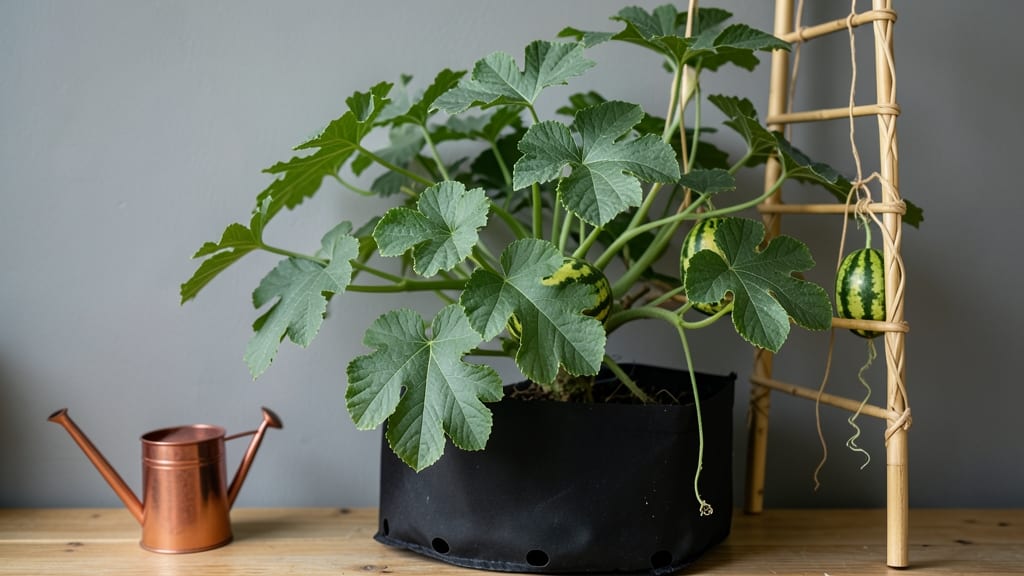
How to grow watermelon inside sounds impossible—until you try these compact varieties. 🌱 I’ve grown sweet, mini melons on my sunniest windowsill, proving that space isn’t the limiting factor—light and variety selection are. The key? Choosing bush types like ‘Sugar Baby’ or ‘Tiny Tim,’ which stay under 6 feet and produce fruit in just 70 days.
You’ll need a 5-gallon container per plant, well-draining potting mix, and 12+ hours of bright light daily—grow lights work if natural light falls short. Start seeds indoors 4-6 weeks before your last frost, then transplant seedlings when they’ve got 4-5 leaves.
The vines spread fast, so train them along a trellis or let them cascade over shelves for a dramatic display.
By midsummer, you’ll be harvesting 3-5 pound melons with crisp flesh and intense sweetness—far better than store-bought. The trick to indoor success? Humidity control (mist leaves daily) and pollination help (gently shake vines or use a paintbrush to transfer pollen). Even in small spaces, the payoff is worth the effort.
This method works best in zones 1-10 (or any climate with proper grow lights), though yields shrink compared to outdoor gardens. Perfect for urban balconies, sunrooms, or even a well-lit basement. Ready to grow your own? Let’s get those seeds started!
📚 In This Guide
- What you need
- Instructions
- Tips and common mistakes
- Wrapping up and next steps
What you need
- ● Watermelon Seeds: Choose compact or dwarf varieties like 'Sugar Baby' or 'Tiny Tim' (10-20 seeds per plant).
- ● Containers: Large pots (15-20 gallons) or fabric grow bags with drainage holes (1 plant per container).
- ● Potting Mix: Well-draining, nutrient-rich mix (e.g., 60% coconut coir, 30% perlite, 10% compost).
- ● Grow Lights: Full-spectrum LED lights (12-16 hours/day, 12-18 inches above plants).
- ● Support System: Trellis, stakes, or cages (for vining varieties).
- ● Fertilizer: Balanced liquid fertilizer (10-10-10) or organic options like fish emulsion.
- ● Humidity tray or misting bottle (for dry climates).
- ● Self-watering system (to maintain moisture).
- ● Pollination aid (small paintbrush or hand pollination for indoor plants).
- ● Growth regulator (to encourage bushier vines).
Step-by-step instructions for growing watermelon indoors
Here’s how to coax sweet, compact watermelon vines indoors using the right containers and light tricks.
🪴 Step 1: Choose the Right Containers and Soil
Watermelons need large, deep containers—at least 5 gallons per plant—to accommodate sprawling roots. I use fabric grow bags because they allow roots to breathe and prevent rot. Fill each container with a lightweight, well-draining potting mix (avoid garden soil—it compacts and suffocates roots). Mix in a handful of perlite or vermiculite to improve drainage and prevent waterlogging.
Leave 2 inches of space between the soil surface and the container rim for watering. Press the mix down gently but don’t compact it—roots need air pockets to thrive. Add a slow-release fertilizer (like 10-10-10) to the soil mix to provide steady nutrients without overfeeding. Watermelons are heavy feeders, so this head start prevents nutrient deficiencies later.
☀️ Step 2: Select a Sunny Spot and Set Up Grow Lights
Watermelons demand 12-14 hours of bright light daily, so a south-facing window won’t cut it unless it’s intensely sunny. I supplement with a full-spectrum LED grow light placed 6-8 inches above the plants. Adjust the height as vines grow—too far away, and stems stretch leggy; too close, and leaves scorch.
Rotate the containers quarter-turn daily so plants grow evenly toward the light. You’ll notice vines leaning toward the light source within a week—this is your cue to adjust positioning. If natural light is limited, leave the grow light on a timer to maintain consistent photoperiods. Without enough light, flowers won’t set fruit, and vines will grow weak and spindly.
🌱 Step 3: Plant Seeds or Transplants and Train Vines
Sow 2-3 seeds per container at a depth of 1 inch, spacing them 2 inches apart. Watermelons germinate best in warm soil (75-85°F), so place containers on a seedling heat mat until sprouts appear (5-10 days). Thin to the strongest seedling once true leaves emerge—crowded plants compete for nutrients and produce smaller fruit.
As vines grow, train them along a trellis or sturdy wire frame to save space. Use soft plant ties to guide vines upward without damaging stems. Prune side shoots (suckers) that form below the first 6 inches of growth—this directs energy to one main vine and larger fruit. You’ll see male and female flowers appear after 6-8 weeks; female flowers have tiny watermelons at their base.
💧 Step 4: Water and Fertilize for Sweet Fruit
Keep soil evenly moist but never soggy—watermelons hate wet feet. Water deeply when the top 2 inches of soil feel dry, using room-temperature water to avoid shocking roots. I water in the morning to allow foliage to dry before evening, reducing disease risk. Overwatering causes blossom-end rot or powdery mildew, both of which ruin fruit.
Feed plants every 2 weeks with a balanced liquid fertilizer (like 5-5-5) diluted to half strength. Once fruit sets, switch to a low-nitrogen, high-potassium fertilizer (like 0-10-10) to boost sweetness. You’ll know it’s working when vines produce large, dark green leaves and heavy fruit that rests on the soil.
⏰ Step 5: Harvest at Peak Ripeness
Watermelons take 70-90 days to mature indoors, depending on the variety. Look for three key signs: a creamy yellow spot where the fruit rested on the soil, a dull thud when tapped (not a hollow sound), and rind that’s hard to puncture with a fingernail. Cut fruit from the vine with clean pruners, leaving a 1-inch stem attached.
Store harvested melons in a cool, dry place (50-55°F) for up to 2 weeks. If growing multiple plants, stagger planting by 2 weeks to extend your harvest season. Here’s the thing—indoor watermelons won’t reach outdoor sizes, but with the right light and training, you’ll get sweet, compact fruit perfect for small spaces.
Tips & tricks for growing watermelon indoors
Here's what I wish I'd known before attempting this—indoor watermelon growing has its quirks, but these tricks make all the difference.
Lighting is Non-Negotiable: Those 12-14 hours of daily light aren't just a suggestion—they're the difference between healthy vines and sad, leggy plants. I use a full-spectrum LED grow light on a timer, but if you're using natural light, supplement with a strong indoor bulb during cloudy days. The moment you see vines stretching toward the light, adjust your setup immediately.
Soil Temperature Secret: The 75-85°F soil temperature range is crucial for germination. If your home stays cooler, place containers on a seedling heat mat until sprouts emerge. I've seen germination fail completely when soil was below 70°F—don't skip this step, especially in spring or fall when indoor temps fluctuate.
Pruning Strategy: When you see those side shoots forming below the first 6 inches of growth, prune them aggressively. I learned this the hard way after letting my first plant become a tangled mess. Focus all the plant's energy on that one main vine—you'll get larger fruit and a more manageable plant. This is where the compact vine promise comes true.
Harvest Timing Hack: The 70-90 day range is just a guideline—watch for those three key signs I mention in the instructions. The creamy yellow spot is your best indicator, but I also check for the dull thud sound when tapping. Pro tip: Cut fruit with clean pruners and leave that 1-inch stem attached—it helps preserve freshness during storage.
Pro Tips for Grow Watermelon Inside
- Here's what I wish I'd known before attempting this—indoor watermelon growing has its quirks, but these tricks make all the difference.
- Lighting is Non-Negotiable: Those 12-14 hours of daily light aren't just a suggestion—they're the difference between healthy vines and sad, leggy plants.
- Soil Temperature Secret: The 75-85°F soil temperature range is crucial for germination.
Frequently asked questions
Got questions about growing watermelons indoors? You’re not alone—indoor gardening can be tricky! Here are answers to some of the most common queries to help you crush your sweet harvest.
Can I grow watermelons indoors year-round?
Yes, but with big caveats! Watermelons thrive in warm climates (70–90°F) and need 12+ hours of sunlight daily. Use grow lights (LED or fluorescent) for 14–16 hours/day, and supplement with a greenhouse or sunroom if possible. Winter growing? Boost humidity with a pebble tray or humidifier to mimic summer conditions.
How long does it take for indoor watermelons to ripen?
Indoor watermelons typically take 70–90 days to mature—longer than outdoor varieties due to controlled conditions. Choose compact or dwarf varieties (like ‘Sugar Baby’ or ‘Tiny Tim’) to save space and time. Monitor vine growth closely; if vines slow, check light exposure or nutrient levels (more on that in the tips section).
What’s the best container size for indoor watermelon vines?
Watermelon vines spread 10–20 feet outdoors, so indoors, opt for a 5-gallon container minimum (bigger = happier roots!). Use a self-watering planter or add a trellis to guide vines upward and save space. Pro tip: Drill drainage holes to prevent root rot—even indoors!
How do I keep pests away from my indoor watermelons?
Indoor pests like spider mites or fungus gnats can still crash your party. Start with sterilized soil and avoid overwatering. Combat invaders with:
- Neem oil spray (weekly preventative)
- Yellow sticky traps for flying pests
- Copper tape on container edges to deter crawlers
Why aren’t my indoor watermelons sweet or turning orange?
Lack of sweetness or pale flesh usually means insufficient sunlight or heat. Watermelons need direct light (or grow lights) + temps above 80°F to develop sugar. Try:
- Move plants to a warmer spot (near a sunny window or under grow lights)
- Check soil moisture—overwatering dilutes flavor
- Harvest when the tendril near the fruit turns brown (not just by size!)
Wrapping up and next steps
Growing watermelons indoors is totally doable with the right setup—whether you’re limited by space or just love a challenge! 🌱 By choosing compact varieties, providing adequate light, and keeping an eye on moisture and temperature, you’ll be well on your way to a sweet, homegrown harvest. Don’t let small spaces stop you—your future slice of juicy watermelon is waiting!
Ready to take the next step? Start small:
- Pick a seedling or seed and begin your indoor garden today.
- Share your progress or ask questions in gardening communities for extra support.