
How To
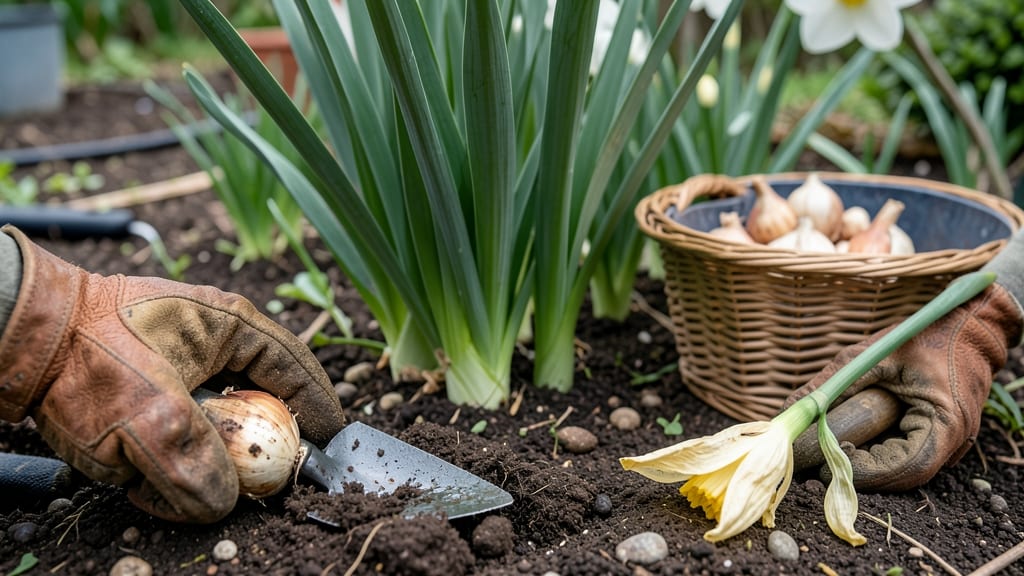
There's nothing quite like the moment your daffodils 🌼 burst into full bloom, signaling spring's arrival—but knowing how to harvest daffodils properly can mean the difference between a vase full of vibrant beauty and a sad, wilted mess.
Timing is everything, and getting it wrong could leave you with limp stems or worse, no flowers next year.
I've learned the hard way that cutting too early or too late can damage your plants, so let me show you the exact best time to harvest for maximum freshness without sacrificing future blooms.
From the right tools to use to how to store your harvest for weeks of enjoyment, this guide covers everything you need. You'll discover simple techniques that preserve your daffodils' stunning color and even how to revive them if they start to droop.
Whether you're a seasoned gardener or just starting to grow these cheerful flowers, these tips will help you make the most of your harvest. Let's get those stems looking their best for as long as possible!
Best time to harvest daffodils for long-lasting blooms
Harvesting daffodils at the perfect moment ensures your bouquets last longer while keeping your garden healthy for next year. The ideal time is when the flower buds are fully open but still vibrant, typically in late April to early May in most USDA Zone 6a regions.
Cutting too early means shorter vase life, while waiting too long can weaken the plant for future blooms.
Daffodils thrive in cool spring temperatures between 50°F and 65°F. Harvesting during the morning hours (before 10 AM) ensures stems are hydrated, making them sturdier for cutting. Avoid harvesting on hot afternoons, as this can cause wilting and shorten their lifespan in arrangements.
Not all daffodil varieties bloom at the same time. Early bloomers like 'February Gold' may be ready by mid-April, while late varieties such as 'Ice Follies' might still be in bud by late May. Always check individual buds—harvest when petals are fully extended but still firm to the touch.
🌼 Daffodil Harvest Timeline
| Stage | Action | Notes |
|---|---|---|
| Bud Formation | Late Winter | Buds begin swelling |
| Early Bloom | Mid-April | Petals start opening |
| Peak Harvest | Late April - Early May | Fully open, vibrant petals |
| Post-Bloom | June | Foliage yellows (harvest bulbs) |
One common mistake is harvesting daffodils too early, when buds are still tightly closed. These stems won’t open fully in arrangements and may wilt within 24 hours. Conversely, waiting until flowers are overripe (petals drooping or brown edges) reduces vase life to just 1-2 days.
For longer-lasting blooms, cut stems at a 45-degree angle using sharp pruners, about 2-3 inches from the base. Remove any lower leaves that will sit in water to prevent bacterial growth. Place stems immediately in lukewarm water to encourage hydration.
After harvesting, leave the foliage intact until it naturally yellows (usually by June). This ensures the bulb stores enough energy for next year’s flowers. If you’re harvesting bulbs for replanting, dig them up in late summer when foliage is completely brown and crispy.
Different daffodil varieties have unique bloom times. Poeticus types (like 'Thalia') often bloom earlier, while Large-Cupped varieties (like 'Peach Soufflé') may bloom weeks later. Always monitor your garden and adjust harvesting schedules accordingly to avoid missing peak bloom windows.
If you’re forcing daffodils indoors, harvest stems when buds are still tightly closed but swollen. Place them in water and store in a cool, dark place (like a refrigerator) for 4-6 weeks before bringing them into bloom. This method is perfect for holiday gifting in December!
Remember: Harvesting daffodils properly isn’t just about the flowers—it’s about nurturing your garden for years to come. With the right timing and care, you’ll enjoy vibrant blooms season after season. 🌼
Essential tools and techniques for cutting daffodils without harming the plant
Cutting daffodils for bouquets or decor is easier than you think—but doing it wrong can weaken your plants and reduce next year’s blooms. The key lies in using the right tools and following proven techniques to extend vase life while keeping your garden thriving.
Start by selecting sharp, clean pruners or shears to avoid crushing stems, which shortens their lifespan.
Always cut stems at a 45-degree angle about 2 inches above the base. This angle increases water absorption, helping your daffodils stay fresh longer. Avoid cutting too close to the bulb, as this can damage the plant’s energy source for future growth.
If you’re harvesting multiple stems, work early in the morning when the flowers are hydrated and at their peak.
⚠️ WARNING: Common Mistakes That Ruin Your Daffodils
✂️ Overcutting Stems
Cutting stems too short (less than 2 inches) starves the bulb of nutrients, weakening next year’s blooms.
💧 Harvesting at Peak Heat
Midday sun causes stems to wilt faster. Always harvest in the early morning or late evening for maximum freshness.
🌱 Ignoring Foliage
Never remove all the leaves after cutting flowers—let them yellow naturally to feed the bulb for next season.
Once cut, place stems immediately in a bucket of lukewarm water (not cold) to prevent air bubbles from blocking the stems. Change the water every 2-3 days and trim stems by 1 inch to encourage fresh water uptake.
For longer-lasting bouquets, add a flower food packet to the water—it contains acids and sugars that slow wilting.
If you’re drying daffodils for winter decor, bundle stems together and hang them upside down in a dark, dry, well-ventilated space for 2-3 weeks. Avoid direct sunlight, which can bleach petals. Test dryness by gently rubbing a petal—if it crumbles, they’re ready for storage.
After harvesting, resist the urge to fertilize your daffodils. Let the remaining foliage yellow naturally (about 6-8 weeks) to store energy in the bulb for next spring’s blooms. Mulch lightly around the base to retain moisture and protect bulbs from temperature swings.
With the right tools and techniques, you can enjoy stunning daffodil bouquets while ensuring your garden stays vibrant for years to come. Happy harvesting! 🌼